With the global surge in electric vehicles (EVs) and energy storage systems (ESS), the lithium-ion battery recycling industry has turned into a modern-day "green gold rush." However, scaling up recycling facilities reveals a notorious bottleneck in the pre-treatment stage: how to efficiently and safely shred waste Lithium Iron Phosphate (LFP) cathode scraps and production rejects.
Processing bulky, tightly wound electrode foil rolls (aluminum and copper) or dense baled scraps often causes conventional crushing equipment to suffer from material wrapping, motor overloading, and frequent unscheduled downtime. To overcome these engineering challenges, heavy-duty Industrial Dual Shaft Shredders (Twin-Shaft Shredders) have emerged as the industry-standard solution for the initial size reduction phase.
1. The Operational Pain Points of Shredding LFP Battery Scraps
Before valuable Black Mass can be extracted via downstream fine crushing and air separation, recycling systems must tackle three severe material characteristics:
High Toughness & Wrapping Risk: Battery electrode scrap consists of thin, high-tensile metal foils. When processed by single-shaft or high-speed granulators, these foils tend to wrap around the rotor like ropes, seizing the machine within minutes.
Extreme Abrasiveness: The chemical coatings on LFP and NMC cathodes act like fine sandpaper. They inflict severe physical wear on cutting tools, drastically shortening the lifespan of standard steel blades.
Safety and Dust Hazards: Thin foils and chemical coatings generate explosive or toxic dust during size reduction. Frictional heat build-up must be strictly controlled to eliminate fire hazards.
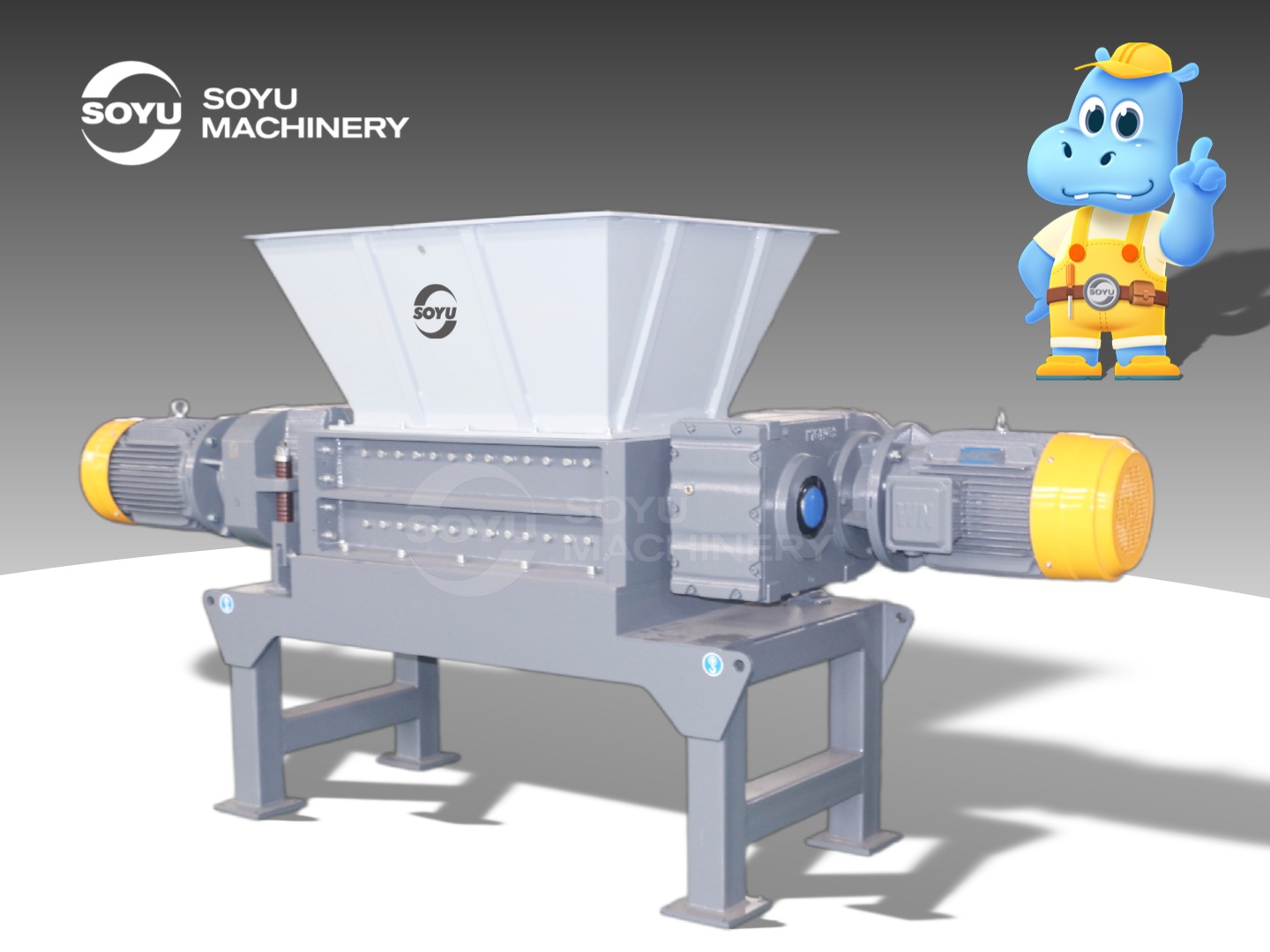
2. Technical Edge: Why Choose a Twin-Shaft Shredder?
Designed specifically for the hazardous and high-toughness environment of e-waste and battery recycling, our dual-shaft shredder replaces brute force with intelligent, high-torque shearing:
🛠️ Interlocking Shearing Mechanics (Anti-Wrapping)
The machine utilizes a low-speed, high-torque dual-shaft configuration where two counter-rotating blade shafts mesh together. As materials enter the shredding chamber, they are instantly grabbed and sheared by the interlocking knives. Because there is no single rotating core for thin materials to wind around—and thanks to integrated heavy-duty cleaning spacers—foil wrapping is completely eliminated.
🛠️ Gravity-Fed High Throughput
Unlike single-shaft shredders that rely on hydraulic rams to push materials against a screen, a twin-shaft shredder is naturally self-feeding. The hooks on the counter-rotating blades naturally bite and pull large baled scraps and massive electrode rolls down into the cutting zone. This continuous feeding mechanism allows for immense hourly throughputs, seamlessly matching the demands of large-scale recycling plants.
🛠️ Premium Wear-Resistant Alloy Tooling
To combat the abrasive nature of battery coatings, our blades are machined from specialized, heavy-duty alloy steels (such as D2, DC53, or customized tool steels) and subjected to proprietary multi-stage vacuum heat treatments. This significantly extends the replacement cycle, decreasing your total cost of ownership (TCO) and boosting facility uptime.
🛠️ Smart PLC Auto-Reverse & Safety Integration
Controlled by an advanced PLC system, the shredder automatically detects overcurrent situations. If an unbreakable foreign object (like a massive solid metal piece) enters the chamber, the shafts instantly reverse to clear the jam and then re-engage the material. Furthermore, the completely sealed structure can be retrofitted with water mist systems or nitrogen purging lines for explosion-proof operations.
3. Broad Application Spectrum
This heavy-duty dual-shaft pre-treatment machine serves as a versatile workhorse across various stages of the battery recycling loop:
Baled or loose LFP/NMC cathode and anode scraps
Trimmings and production rejects from battery manufacturing plants
Whole or crushed lithium-ion battery modules and cell housings
Aluminum and copper foil rolls (coated or uncoated)
Once processed by the twin-shaft shredder, the uniform strips or shreds become the ideal, free-flowing feedstock for secondary fine granulators, hammer mills, and air classifiers—ultimately maximizing the purity and recovery rate of the final Black Mass.
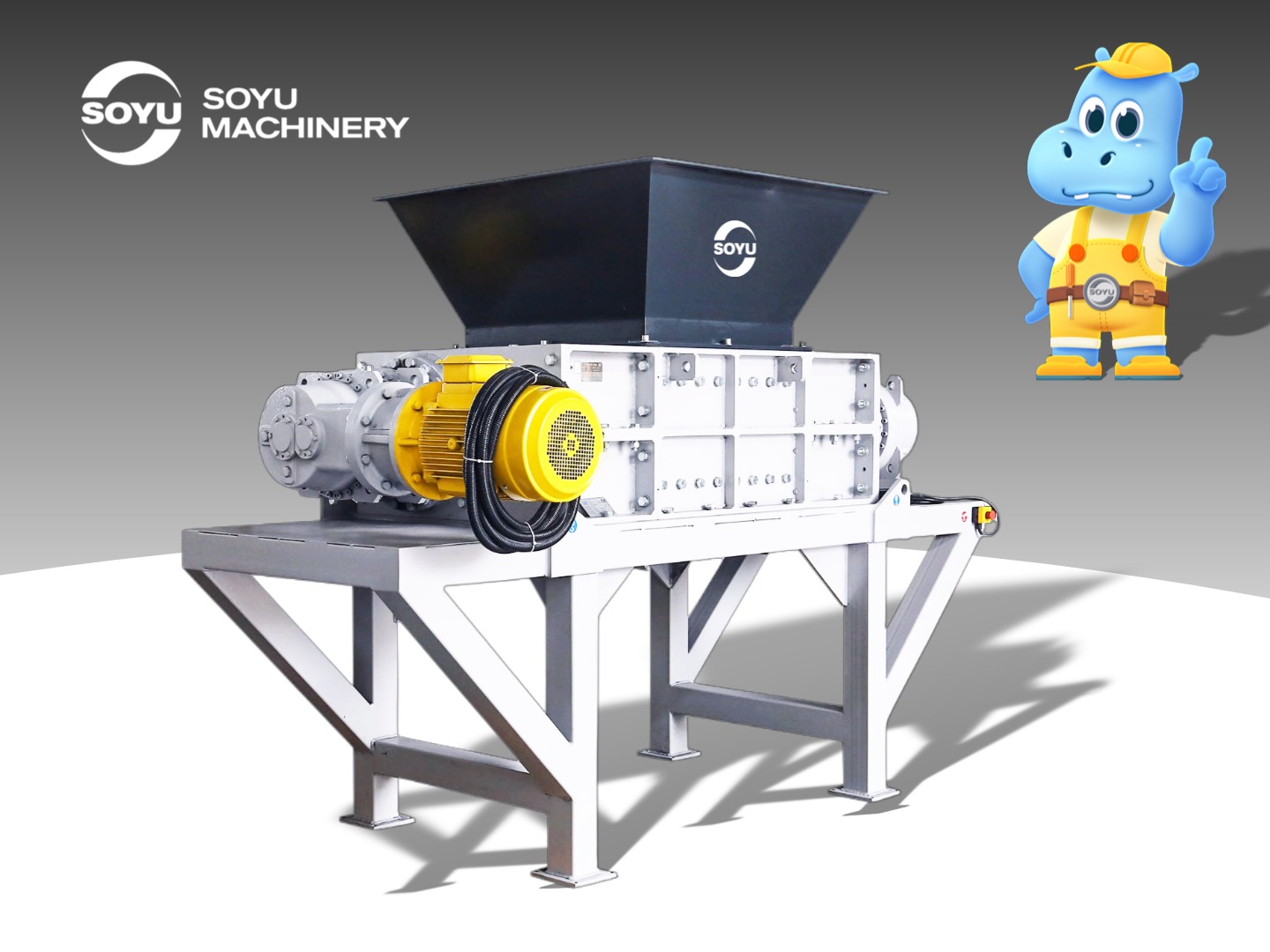
4. Frequently Asked Questions (FAQ for Google Featured Snippets)
Q1: What is the final output size of a dual-shaft shredder processing battery foils?
A: The output width is directly determined by the thickness of the interlocking blades. We customize blade profiles according to your downstream requirements. Typically, for battery pre-treatment, the material is reduced to strips or chunks ranging from 15mm to 50mm, which prevents wrapping in secondary fine crushers.
Q2: How does the machine handle dust emission during operation?
A: Our dual shaft shredders run at very low speeds (typically 10 to 40 RPM), which inherently minimizes dust generation compared to high-speed grinders. Additionally, the shredding housing is fully enclosed and features standardized flanges ready for connection to your factory’s pulse dust collection system.
Conclusion & Call to Action
In an era where battery recycling efficiency dictates profitability, choosing the right pre-treatment system is paramount to securing a high Return on Investment (ROI). Backed by years of field experience in electronic waste and lithium battery processing, we provide scalable solutions ranging from standalone heavy shredders to complete turnkey pre-treatment lines (Shredding + Crushing + Air Separation).
💡 Are you planning a new battery recycling facility or looking to upgrade your current pre-treatment line?
Contact our engineering team today to arrange a free material trial test or to request detailed CAD layouts and quotation packages!


