Process Stages & Core Components
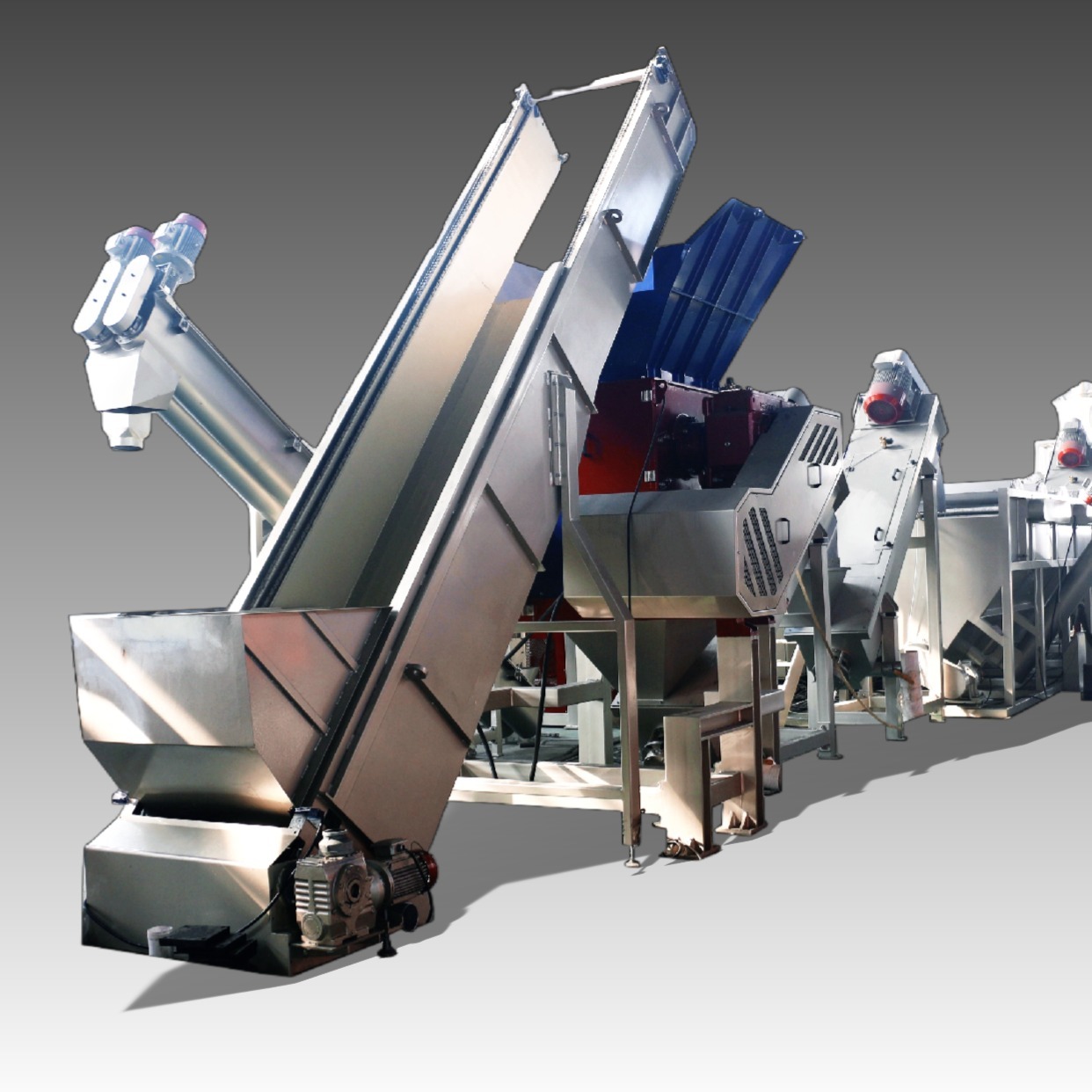
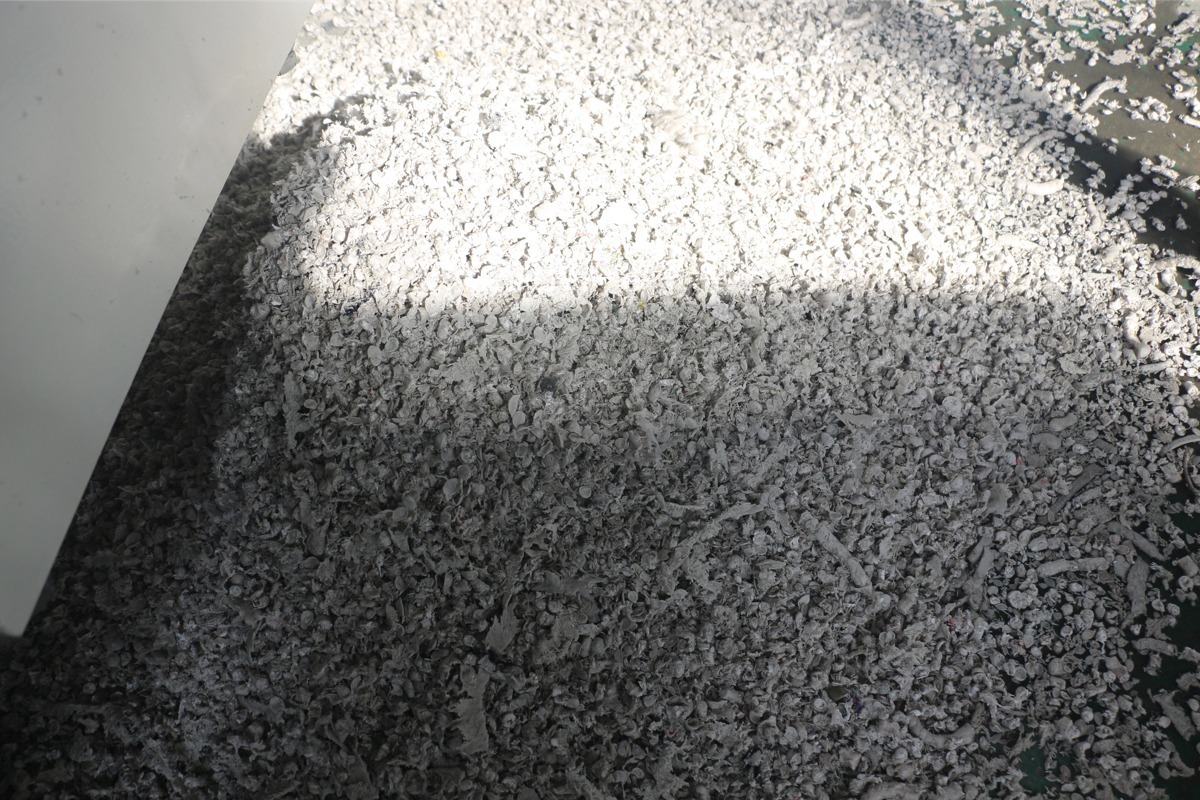
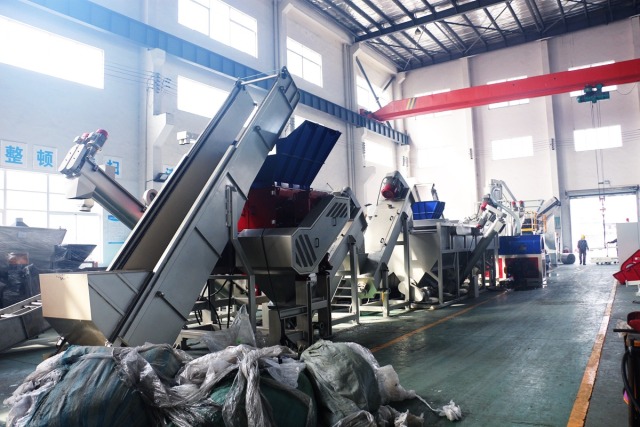
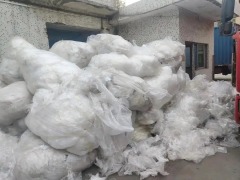
- Feeding and shredding — bales, silage wrap and torn greenhouse covers are bulky and light, so the film shredder cuts them to a steady particle size before the rest of the line has to handle them, and open feed hoppers let a loader charge the shredder directly.
- Friction washing — the friction washer scrubs soil, grit, printing ink and organic residue off the film surface, and it is the stage we tune hardest on baled PP woven sacks, the stream behind most of our work as a pp woven bag recycling plant supplier.
- Sink-float separation — film floats in the sink-float tank while sand, stones, glass and metal sink and are drawn off, so abrasives leave the line before they ever reach the dryer.
- Dewatering and drying — the horizontal centrifugal dryer throws the surface water off the washed film mechanically, taking it to the moisture level the rest of the line is set for.
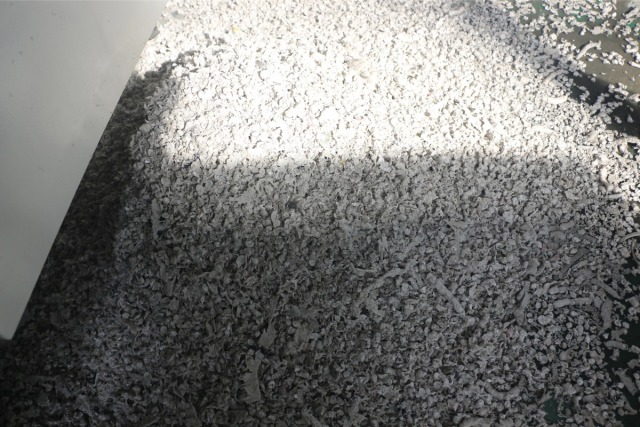
- Optional squeezing and agglomerating — a squeezer or agglomerator compacts the dried flake, raising bulk density and pulling residual moisture down further for pelletizing.
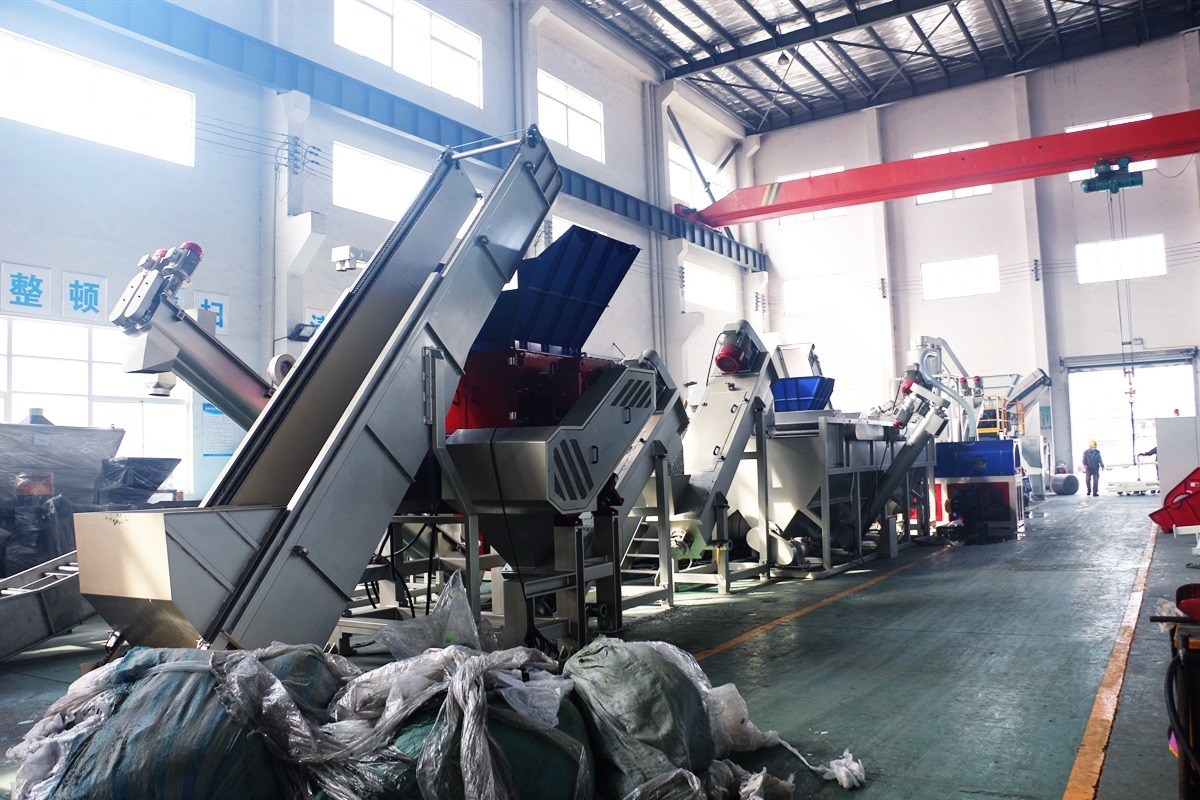
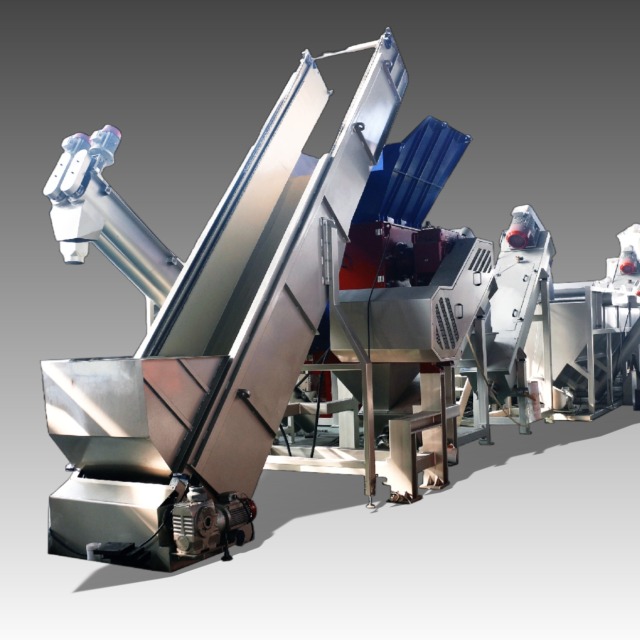
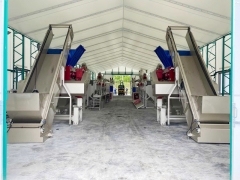
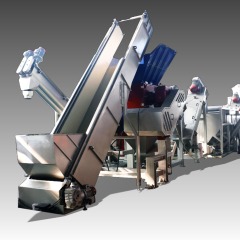
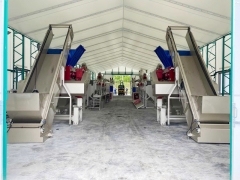
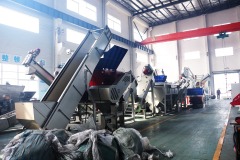
- Conveying and layout — inclined conveyors move material between stages without manual handling, and because each stage is a separate machine the line can be arranged around the building rather than forced into one block.
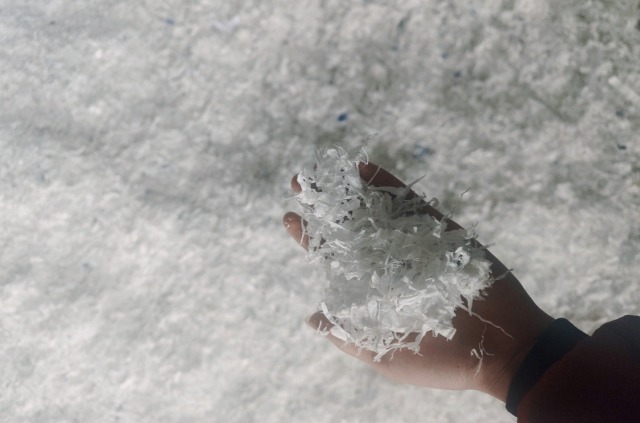
- Baled, soiled, often still printed PP, PE and PA film goes in at one end of this plastic film recycling plant and washed, dewatered flake comes out at the other, ready for the next process.
- Shredding, friction washing, sink-float separation, dewatering and drying run as one continuous train, and a squeezer or agglomerator can be added where the downstream pelletizer needs a drier feed.
- Capacity is set around the tonnage you actually collect, and the stages are sized together rather than sold as separate machines you have to integrate yourself.
Feedstock & Contamination Handling
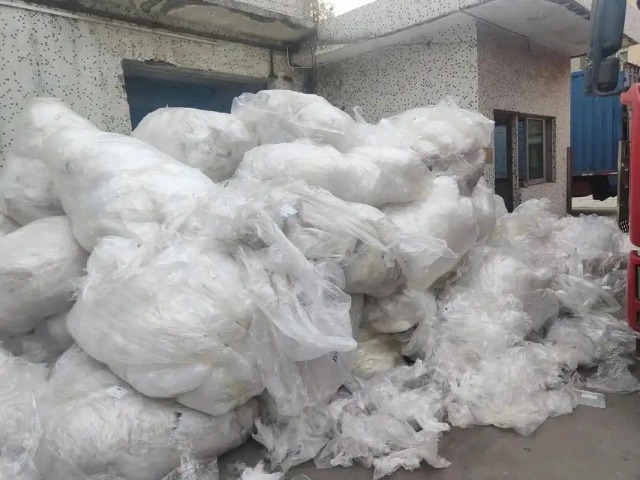
PP, PE and PA behave differently in a washing line, and film from a supermarket collection point is a different proposition from silage wrap pulled out of a farmyard. Post-consumer film is light, mixed and inked; farm film brings soil, grit and stones; greenhouse covers arrive as large, UV-degraded sheets; woven sacks carry dust, printing and cement or fertiliser residue; oil-soaked industrial film needs the washing stage to work harder than clean in-house scrap ever does. All of them run on this line, but not on the same configuration — the pre-wash, the washer and the dewatering settings move with the dirt load, which is why the material description comes before the layout. Working with a plastic film recycling plant manufacturer that builds its own shredders, washers and dryers means a difficult feedstock is answered by changing a stage rather than by changing supplier. Where the intake is farm film, the line is usually specified as a complete agricultural film recycling system rather than as individual machines, because the separation stage and the washer have to be sized against each other.
Technical Specifications
| Property | Specification |
|---|
| Application | Washing and drying of PP, PE and PA film |
| Accepted feedstock | Post-consumer film, agricultural film, greenhouse film, PP woven bags |
| Stated capacity | 300–2,000 kg/h, sized to the project |
| Core equipment | Film shredder, friction washer, sink-float tank, horizontal centrifugal dryer |
| Optional modules | Squeezer, agglomerator |
| Downstream output | Granulation, blow molding, injection molding |
| Build platform | 3E Series, SOYU brand of Changshu Shi Shouyu Machinery Co., Ltd. |
Drying Routes & Output Moisture
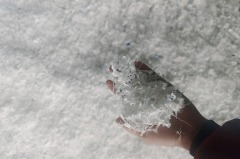
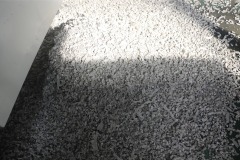
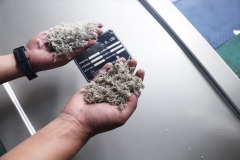
- Standard route: crushing, washing, dewatering and drying bring the finished flake to a residual moisture of 5–10%, which suits flake sold on as it is or fed to a pelletizer that tolerates some surface moisture.
- Enhanced route: adding the squeezer and agglomerator brings residual moisture within 2%, the band high-end pelletizing is set up for.
- Choose by the machine downstream rather than by the data sheet: if your extruder vents well and you sell washed flake, the standard route is the leaner configuration, and if you pelletize film-grade material where moisture shows up as bubbles or voids, the enhanced route is the one that meets the specification.
- Agglomerating also gives a denser, more uniform material, which feeds into an extruder more evenly than loose washed flake.
- Both routes share the same washing train, so the decision is made at the drying end and does not change how the film is cleaned.
- Moisture figures apply to the finished output rather than the feed, and methods differ between labs, so agree how the sample is taken and tested before the number becomes a specification.
- Low energy consumption is a design constraint across the whole plastic film recycling plant rather than a feature of one component, and it is part of why the stages are sized together.
Applications & Material Streams
- Post-consumer collection film — stretch wrap, carrier bags and mixed commercial film arrive light, inked and often wet, and the standard wash-and-dry route covers most of it.
- Agricultural film — silage wrap, mulch film and tunnel covers carry the heaviest grit and stone load of any stream, which is why an agricultural film recycling system is sized around its separation stage rather than its shredder alone.
- Greenhouse film — large, UV-degraded covers arrive bulky and dusty, and the shredder's hopper and cutting chamber do the first real work on them.
- PP woven sacks — cement, feed, fertiliser and sand bags arrive baled, printed, dusty and stiff; they are the stream that most often starts a conversation with a pp woven bag recycling plant supplier, and they run through the same washing train as film.
- Oil-soaked and post-industrial film — printing, packaging and manufacturing scrap carrying oil, coating or heavy ink, where the friction washer has to do more of the cleaning than it does on clean scrap.
- Downstream use — washed flake leaves the line for granulation, blow molding or injection molding, so moisture and density targets are set by whoever runs the next machine.
Certification, Spares & Ordering
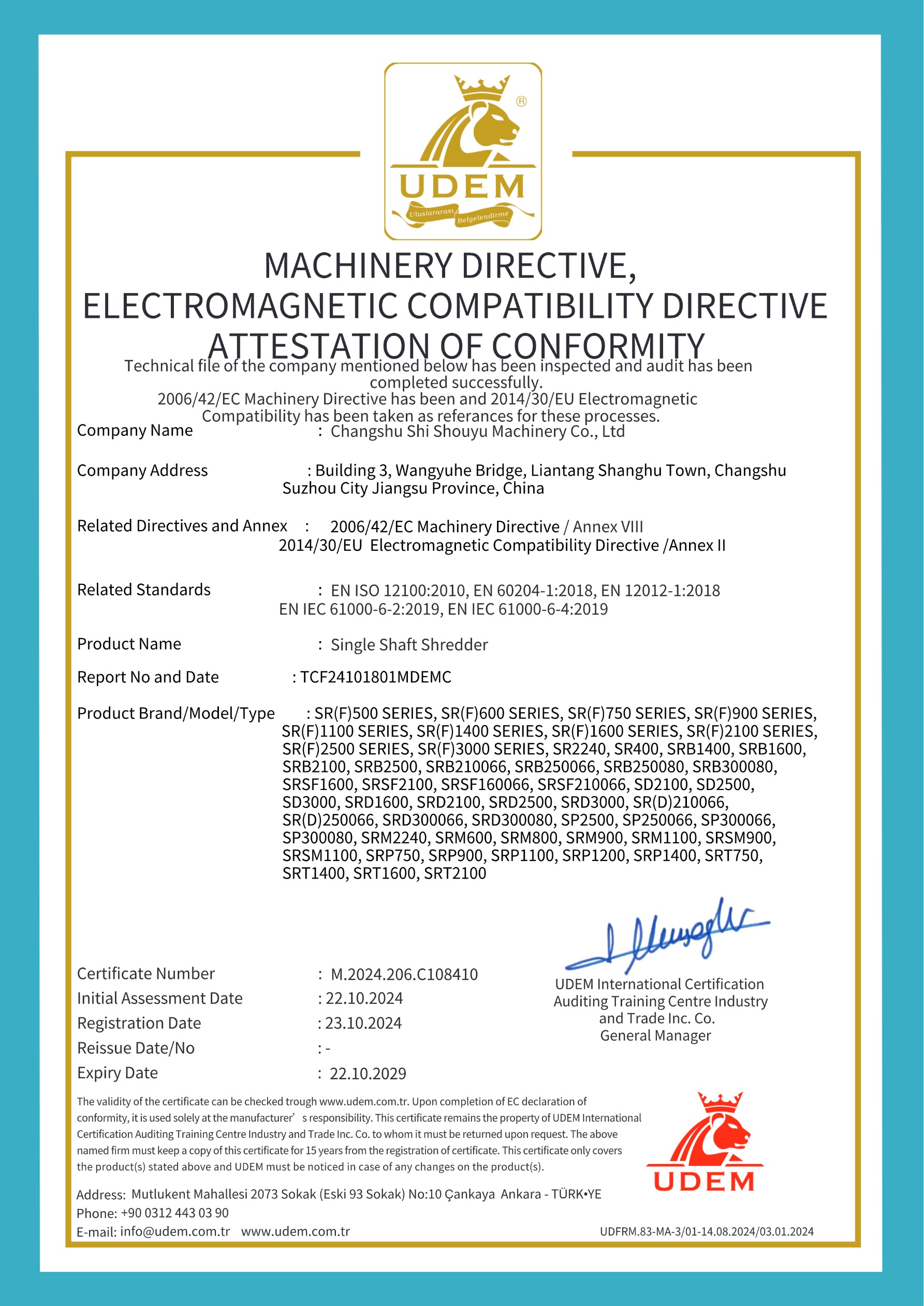
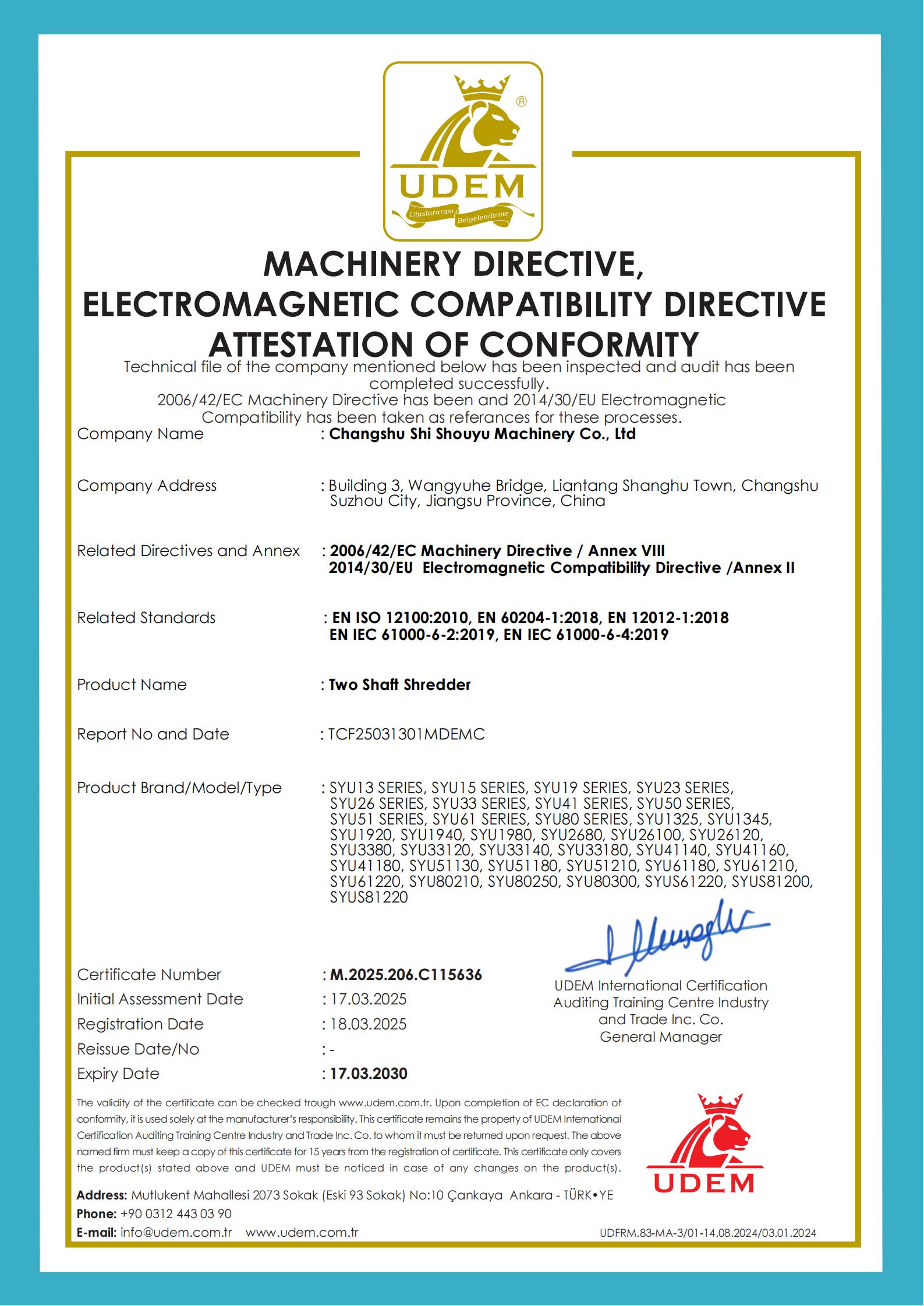
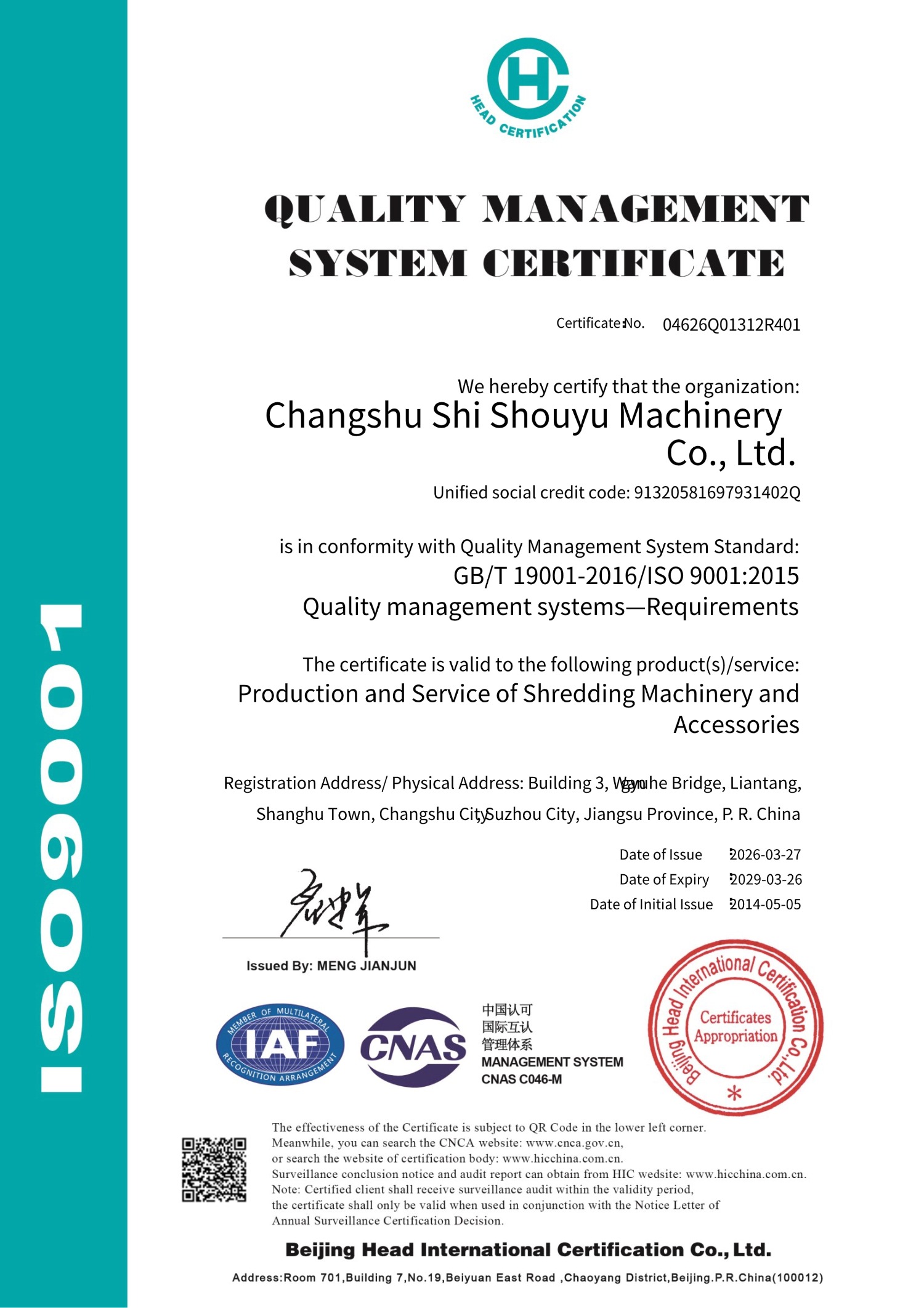
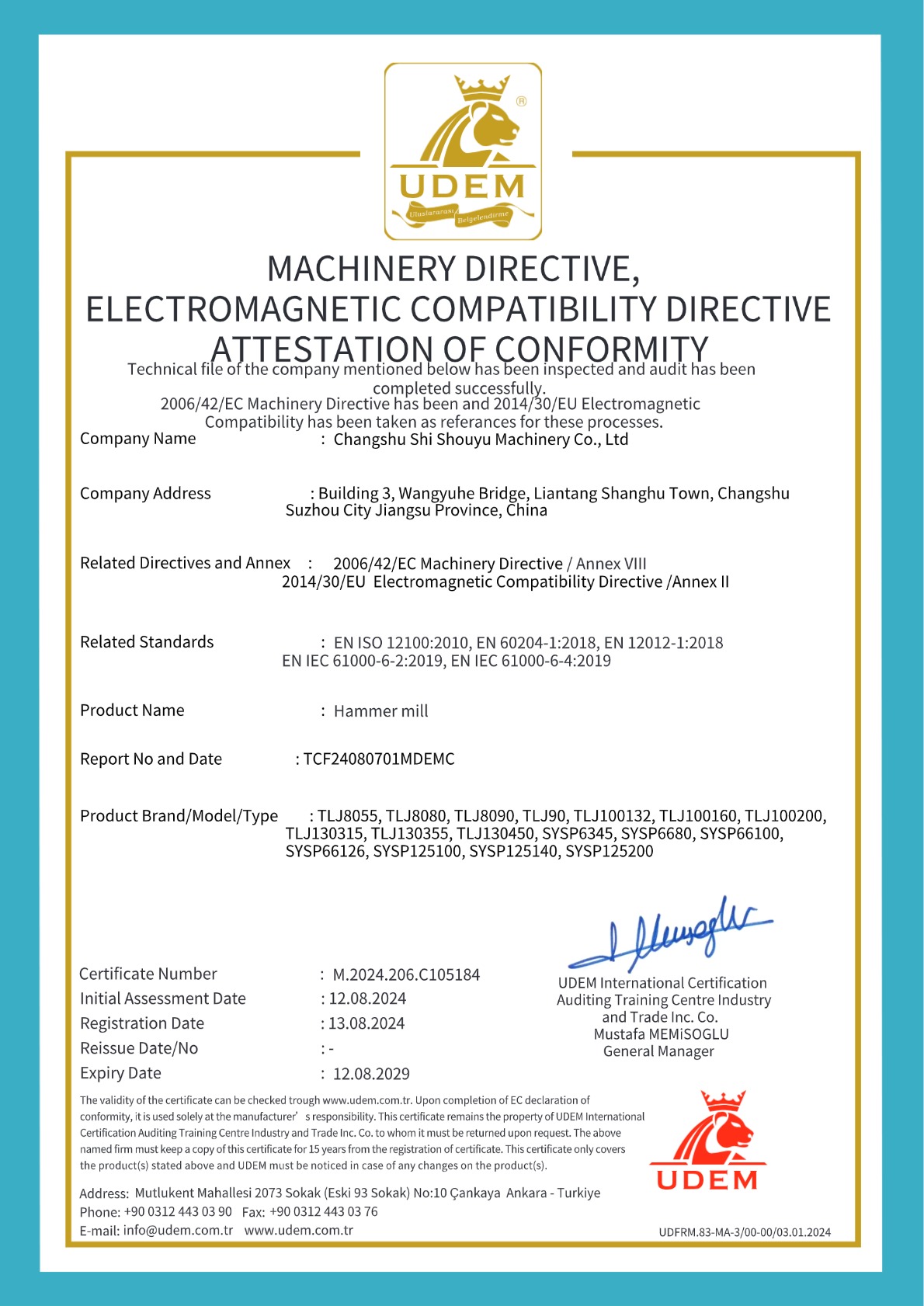
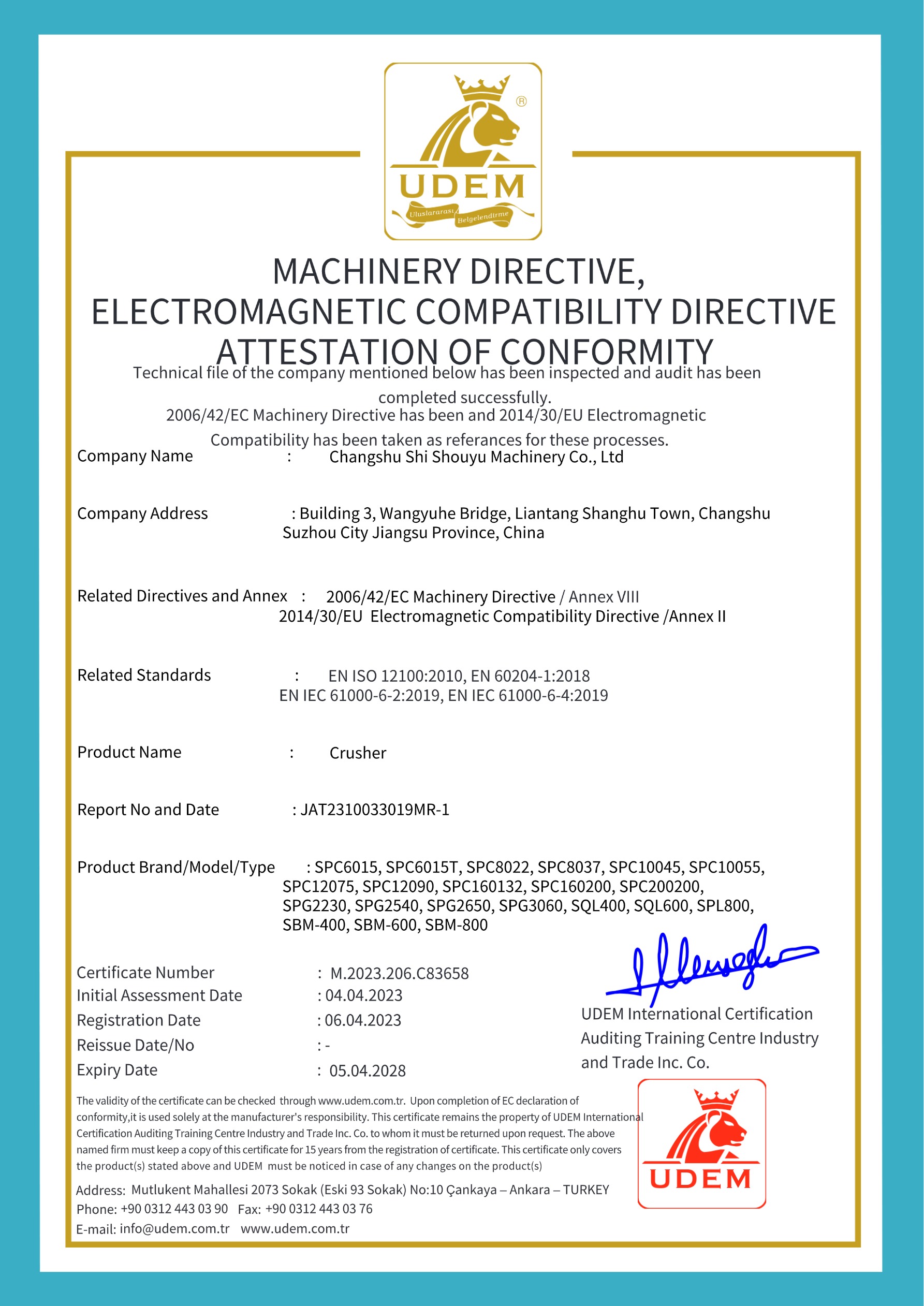
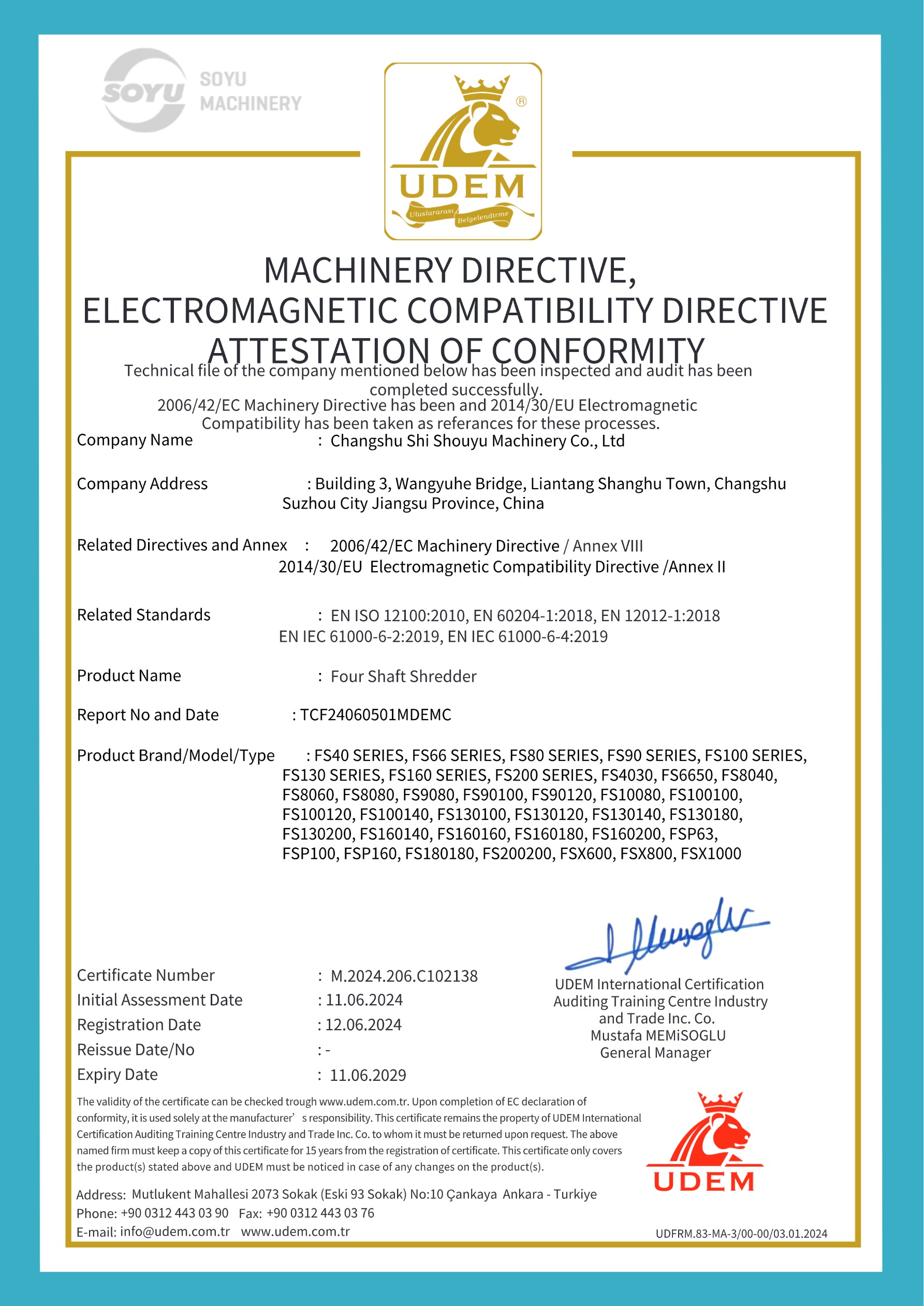
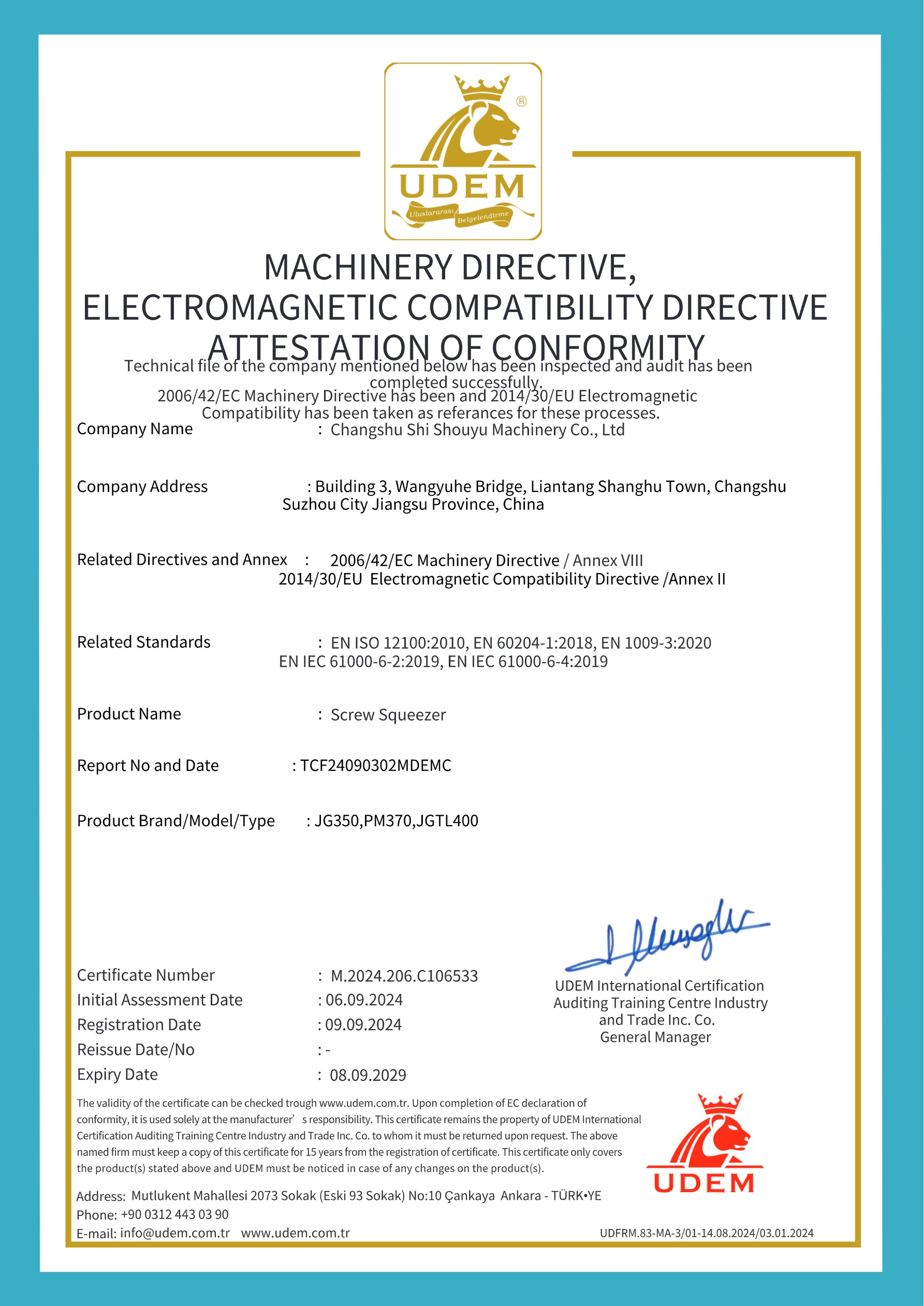
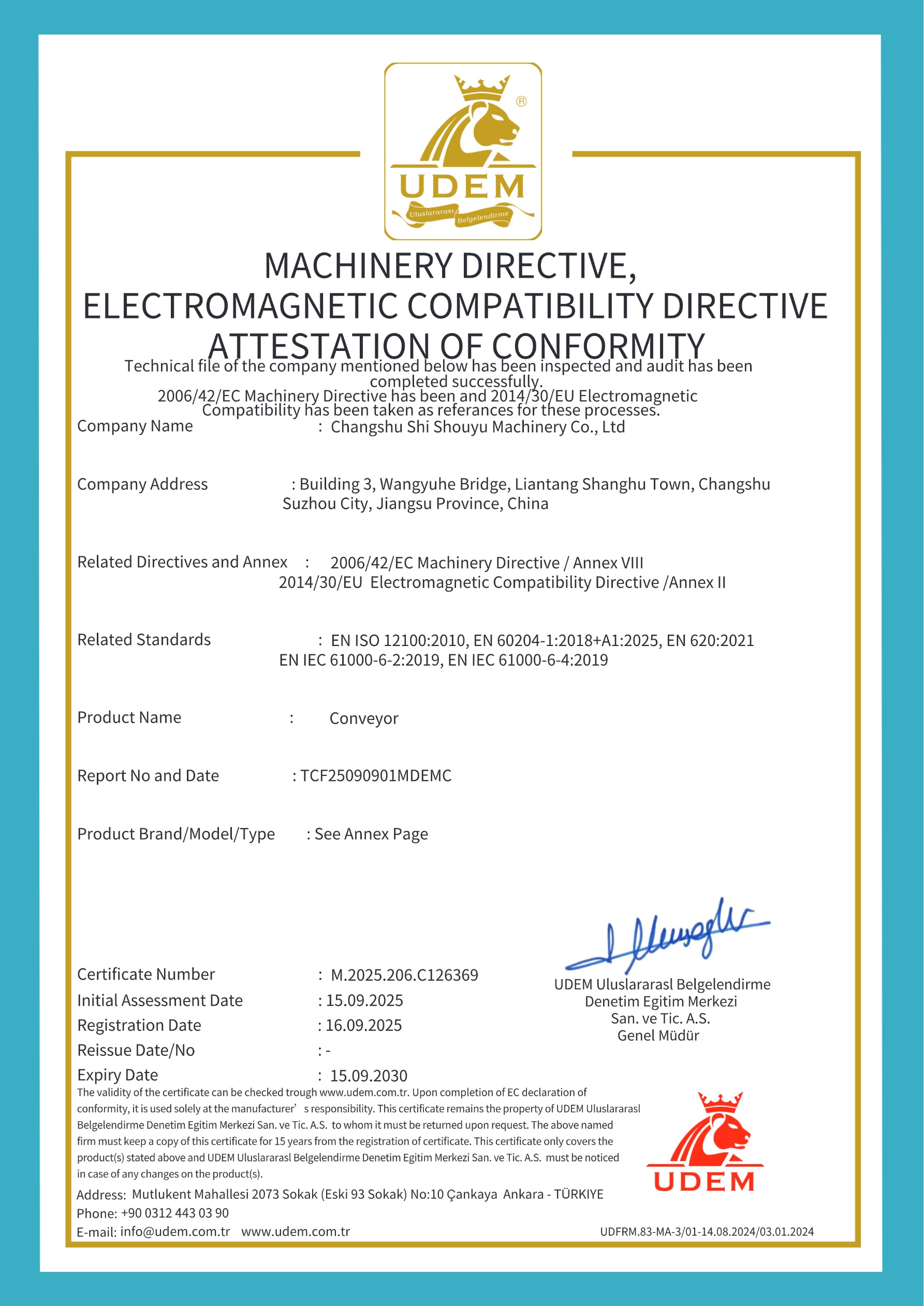
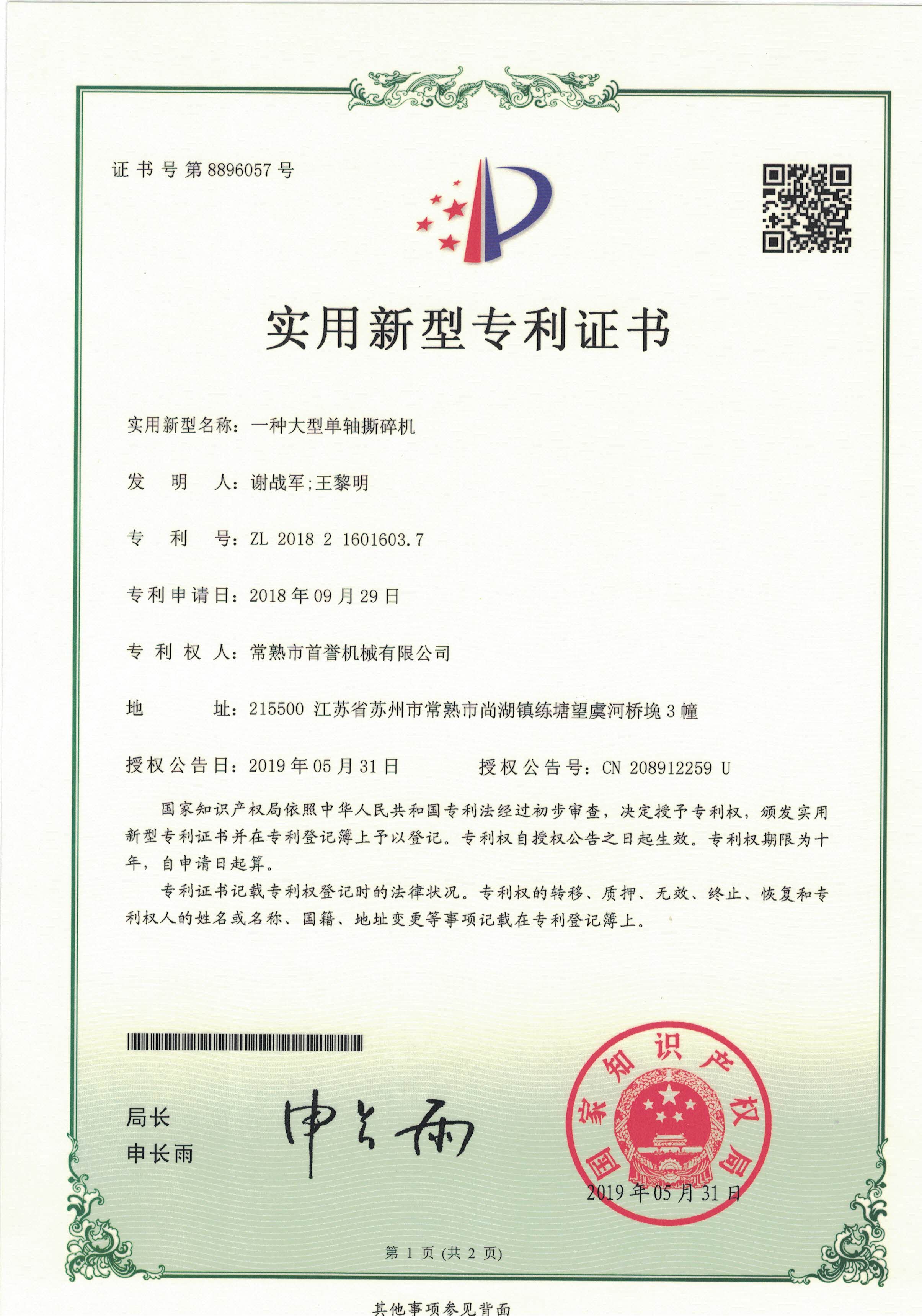
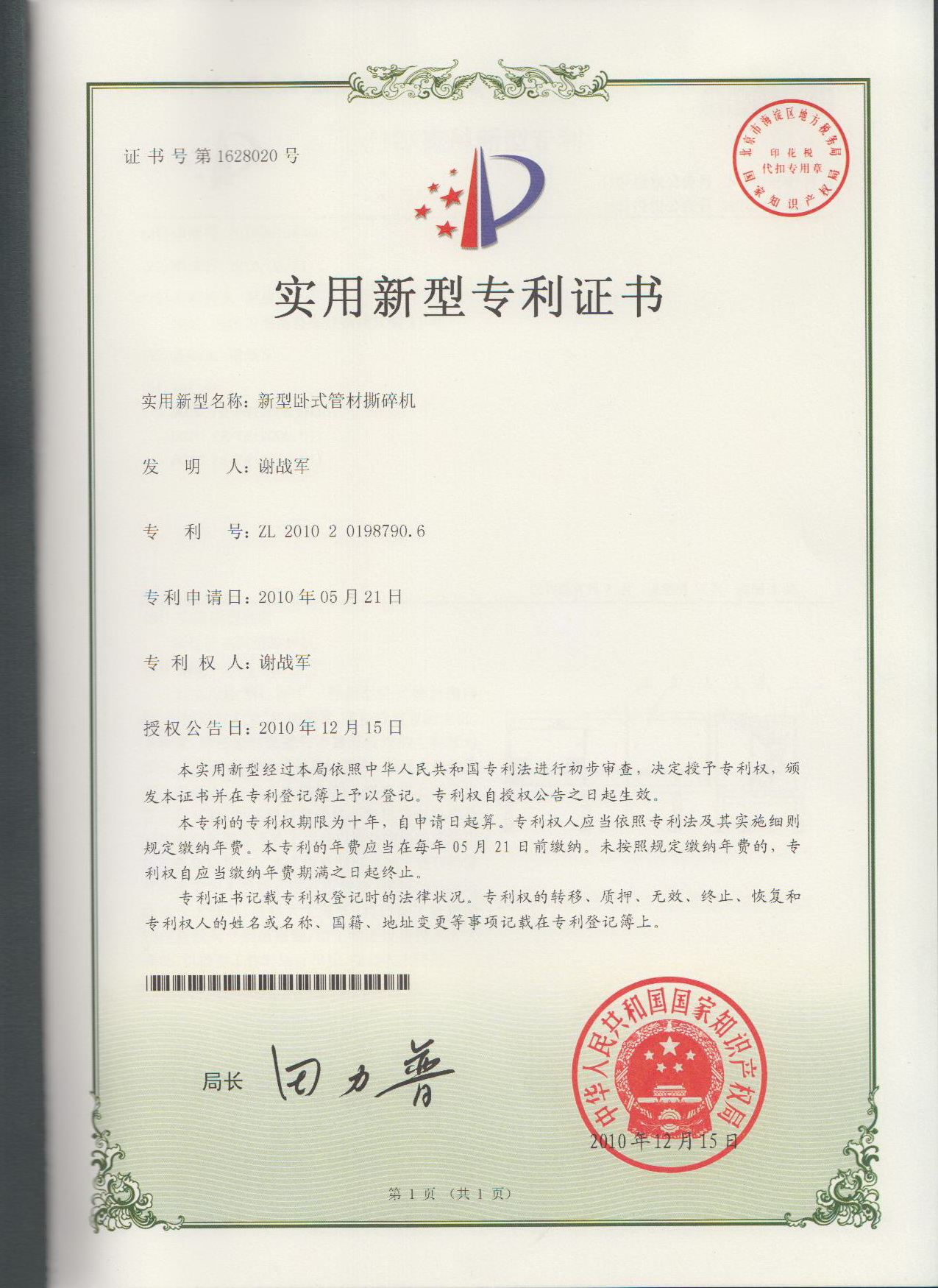
- ISO 9001 quality management and CE-compliant machinery sit behind the build, and more than 80 national patents cover the core shredding and separation technology — the record of a plastic film recycling plant manufacturer that develops its own equipment rather than reselling it.
- Original factory spare parts are still supplied at cost price after the warranty period ends, so a line that has been running for years can still be kept in production.
- Installation, commissioning and operator training are handled by SOYU's global installation team, who stay through the first production runs and hand the line over to your own operators.
- Bale samples, target throughput and target output moisture are reviewed before the equipment list is fixed, so the stage sizes come from your material rather than from a standard layout.
- Ask to see footage of a comparable line running film as close to yours as possible before the configuration is frozen.
- Confirm the current lead time and terms before ordering.
Technical Support & Model Matching
Choose equipment matched to your operating requirements with technical support from SOYU, including model matching for an agricultural film recycling system. We review your material characteristics, target throughput, site conditions and environmental requirements to recommend suitable models and configurations. Our support covers installation, commissioning and operator training to help your team prepare for operation. Overseas customers can access remote technical assistance for troubleshooting, while maintenance and original spare parts support continue after delivery. Original spare parts remain available at cost after the warranty period ends.
FAQ
What form does the material leave the line in?
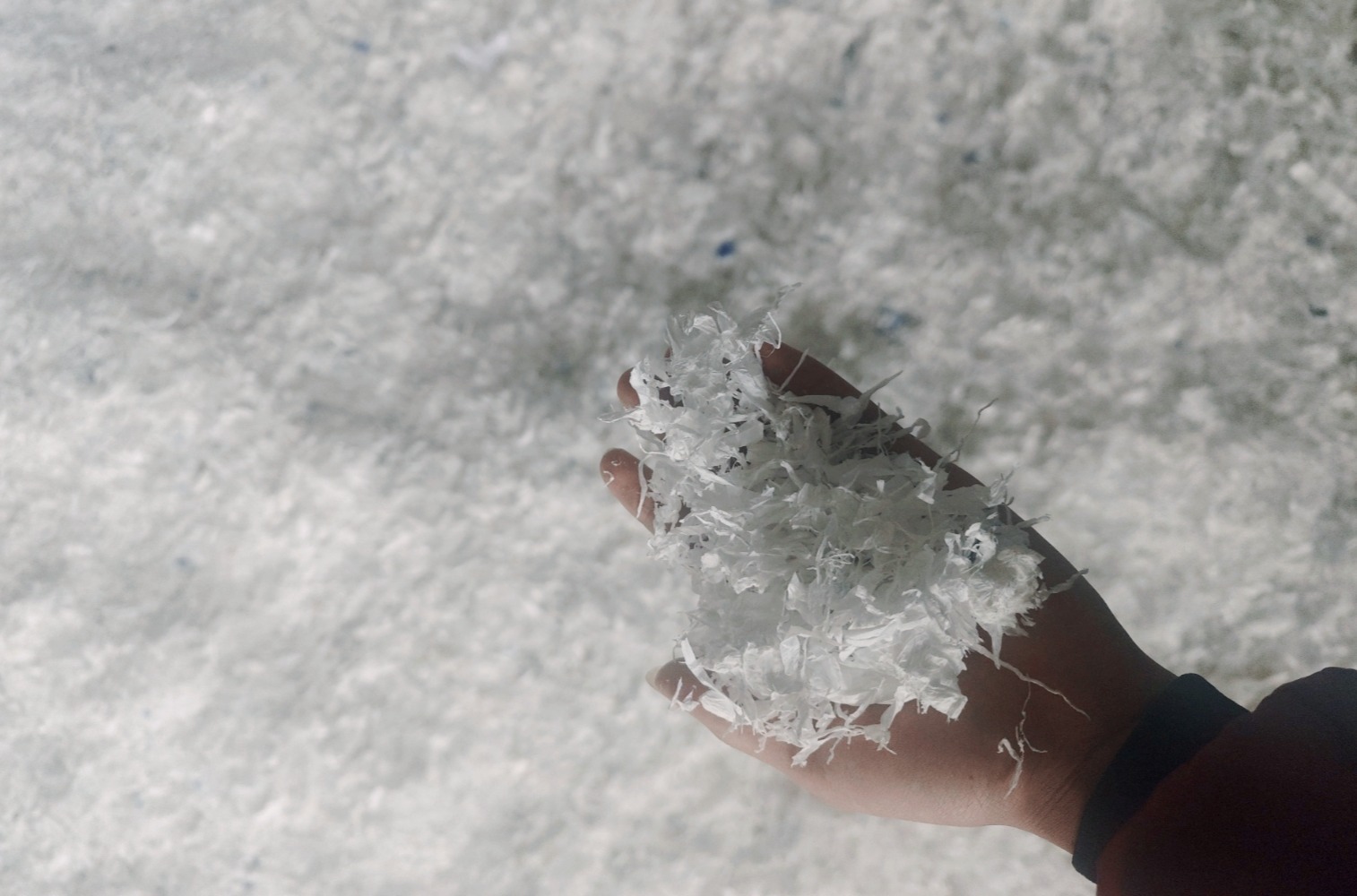
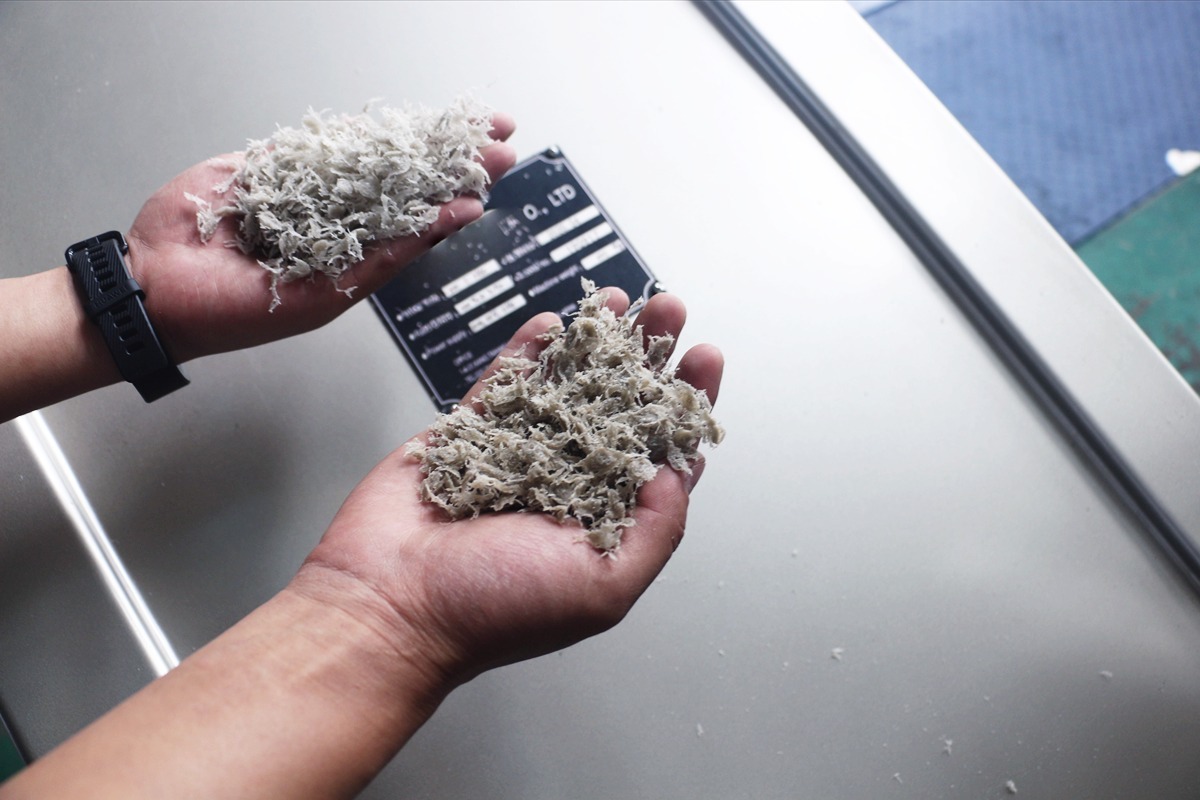
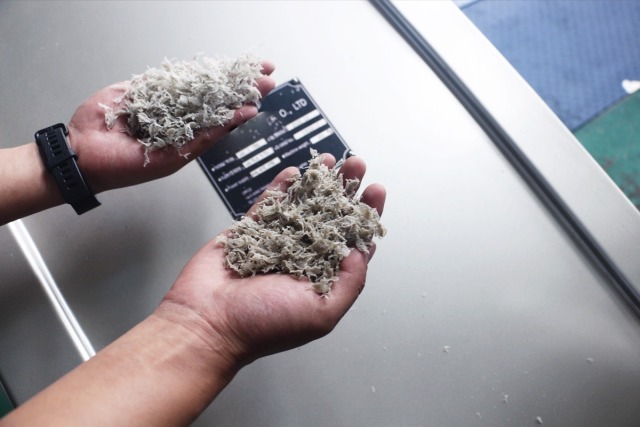
It leaves as washed, dewatered flake: the shredder reduces the film, the friction washer and sink-float tank clean it, and the centrifugal dryer takes the surface water off. Add the squeezer and agglomerator and the output is compacted rather than loose, which is what a buyer who sells the washed material on usually wants. Either form then goes to granulation, blow molding or injection molding.
Can the line be sized for a smaller collection volume, or is it only for large plants?
Capacity runs from 300 to 2,000 kg/h and is sized per project rather than picked from a fixed model list, so a collection business handling a few hundred kilos an hour and a plant feeding its own pelletizing line are served by the same design. Sizing follows your bale volume, your shift pattern and the output moisture the next process needs. A single-shift operation collecting from a defined region usually sits at the lower end, while a plant that also granulates on site needs the upper end.
Will one line run both loose film and baled PP woven sacks?
Yes — woven sacks go through the same shredding, washing and drying train as film, with the feeding and washing stages set up for stiffer, dustier material. Printed cement, feed and fertiliser sacks are one of the streams this line is specified for, and they are the intake we are asked about most often as a pp woven bag recycling plant supplier. If your mix is mostly sacks with some film, say so at the sizing stage, because the hopper and washing stage are chosen differently for it.
What sets how clean the finished flake is?
Cleanliness comes from two stages working in sequence: the friction washer scrubs soil, grit and ink off the film, and the sink-float tank takes out sand, stones and metal before anything reaches the dryer. How clean the flake ends up depends on what went in — post-consumer film and printed sacks will never match clean in-house scrap, and the wash train is sized to your dirt load rather than to a single fixed standard. On farm film the grit load is the harder problem, and it is settled with the bale sample rather than with a specification sheet.
How much floor space does the line need?
The line is a sequence of separate machines — shredder, friction washer, sink-float tank, centrifugal dryer and any optional modules — linked by inclined conveyors, so the footprint follows the building rather than sitting in one fixed block. Headroom and access for a loader at the shredder hopper matter as much as floor area. Share a plan with doors, columns and available height marked and the arrangement can be set out around it.