Product Overview
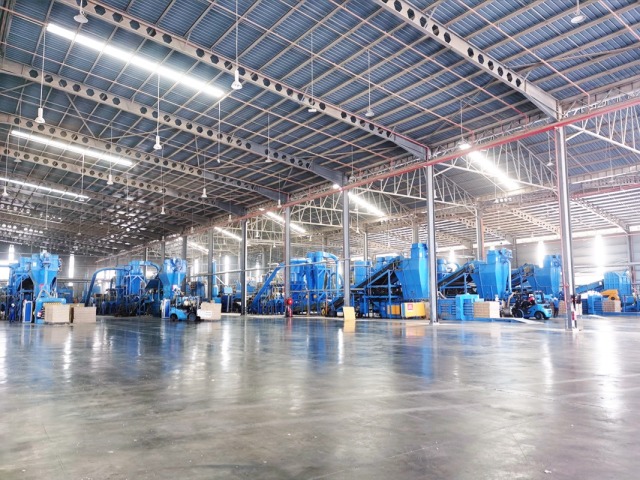
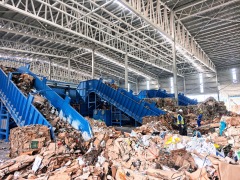
Paper mills and recycling plants can recover valuable fiber from discarded packaging and printed paper with SOYU’s integrated 3E Series solution. CHANGSHU SHI SHOUYU MACHINERY CO., LTD., operating as SOYU, combines material reduction and fiber recovery within a connected industrial line. Our work as an occ dry pulping line manufacturer includes installations serving paper-recovery operations worldwide. The system brings the machinery together around a clear production task: turning collected waste paper into a secondary fiber resource that can return to the paper and cardboard production cycle.
Waste Paper Feedstocks
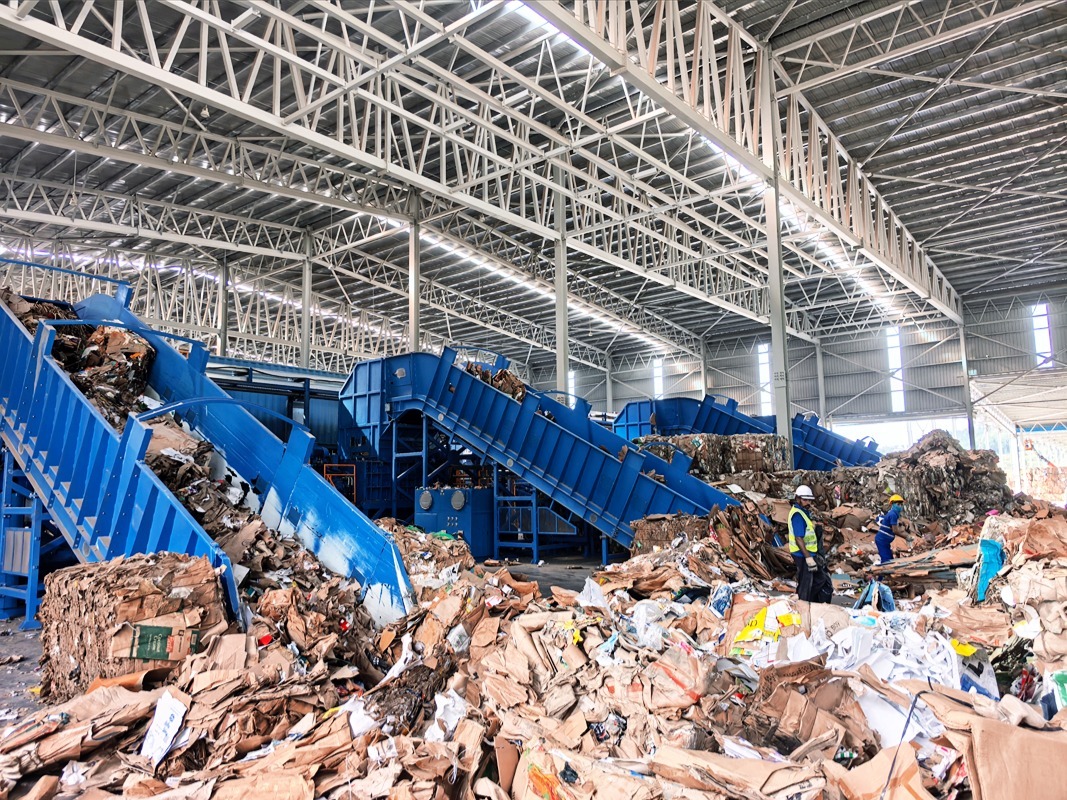
- Corrugated paper, cardboard boxes and cartons form the core OCC stream, with OCC meaning old corrugated containers.
- Flattened sheets and bulky containers present different feeding conditions, so describe the incoming form to your waste paper dry pulping supplier during the material assessment.
- Newspapers provide a printed-paper fiber stream.
- Keeping their proportion identifiable within mixed collections helps relate the incoming material to the receiving mill’s requirements.
- Books add bound paper to the feed mix.
- Covers, bindings and attached non-paper components need attention during preparation rather than being treated as usable fiber.
- Office paper is another valuable recovered-fiber source.
- Folders, plastic sleeves and other collection-bin contents should be separated from the intended paper feed before processing.
- Kraft paper broadens the recyclable fiber resource beyond printed grades.
- Coatings, laminations, adhesive content and incoming moisture should be assessed for the actual grade, since a paper category alone does not establish identical processing behavior.
Fiber Recovery Process
- Prepare the collected paper by separating obvious foreign objects and identifying the intended feed mix.
- This gives the reduction stage a more consistent material stream and keeps avoidable contaminants out of the recovery route.
- Reduce bulky material with 3E Series shredding equipment before refinement.
- Preprocessing breaks down containers and mixed paper so the following machinery receives material in a more manageable form.
- For paper tube dry pulping and other supported feedstocks, open and refine the reduced paper mechanically within the dry process pulping system.
- The refining stage works beyond simple cutting, separating the paper structure into dry fiber material with more consistent physical form.
- Compact the recovered material through integrated hydraulic packaging.
- Packaging brings the loose fiber into a form that is easier to handle between recovery and subsequent use; the required package format belongs in the project specification.
- Match the recovered dry pulp to the receiving paper process rather than treating it as finished paper.
- Required fiber condition and acceptable residual contamination need to be defined for that end use.
- Reusing recovered fiber can reduce demand for virgin raw materials and, depending on the wider mill process, lower energy demand, raw-material costs, processing costs and environmental impact.
Dust Control
Pulse dust removal and enclosed processing housings address the airborne fines generated during paper reduction and fiber opening. The enclosure helps contain material around the working stages, while the collection system manages dust within the processing route. This supports cleaner operation without treating enclosure alone as a substitute for extraction and routine care.
Collector condition affects the performance of a dry process pulping system. Routine checks should cover filter condition, accumulated material, collection discharge points and the operation of the pulse-cleaning mechanism, following the instructions for the installed equipment. Fine deposits around joints or access covers deserve investigation because they can indicate leakage or restricted collection.
Housekeeping should remove settled paper dust without unnecessarily dispersing it back into the air. Access covers need to be properly closed before operation resumes, and inspection or cleaning inside machinery requires safe isolation. Dust handling and fire precautions must also suit the site’s paper-processing conditions.
Line Layout & Video
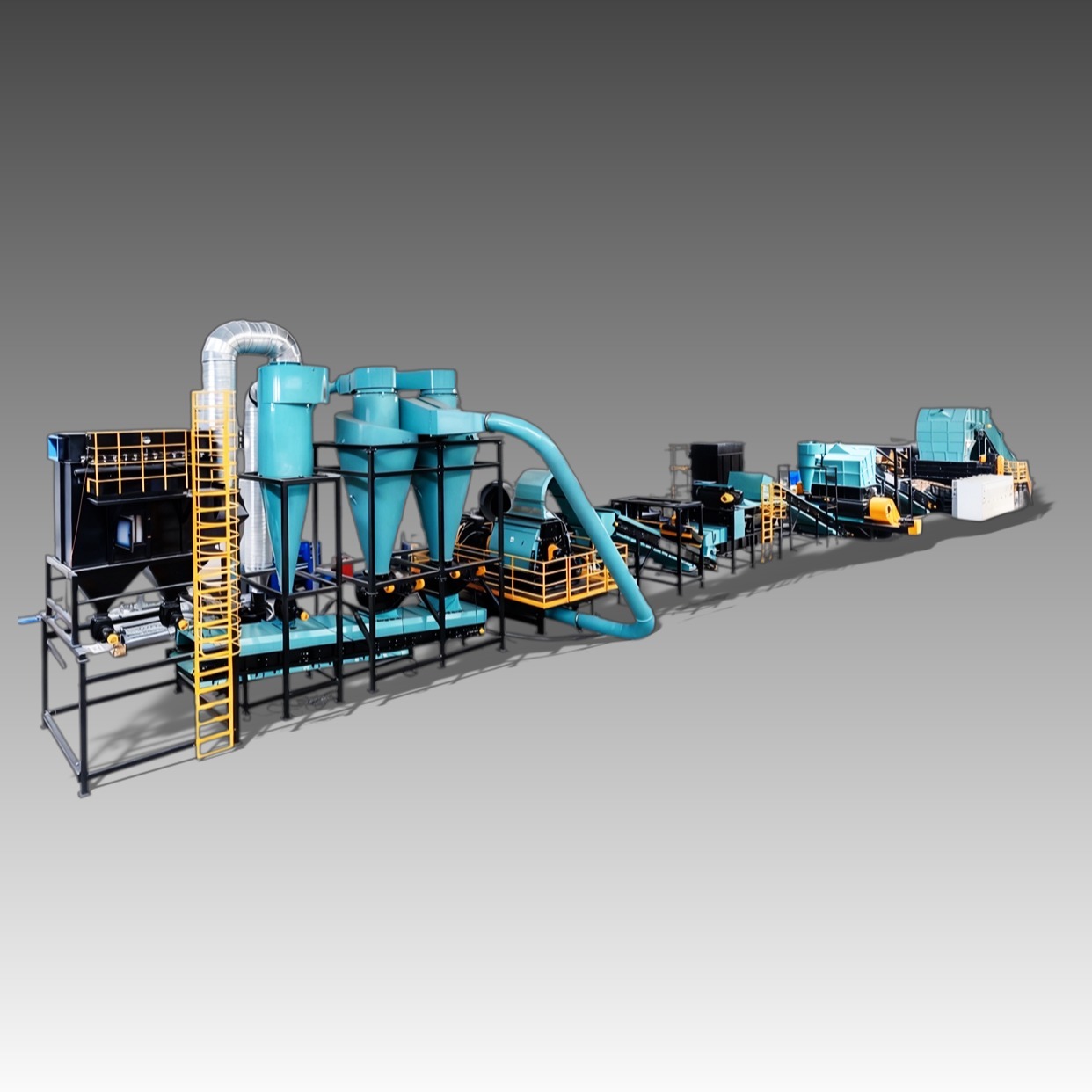
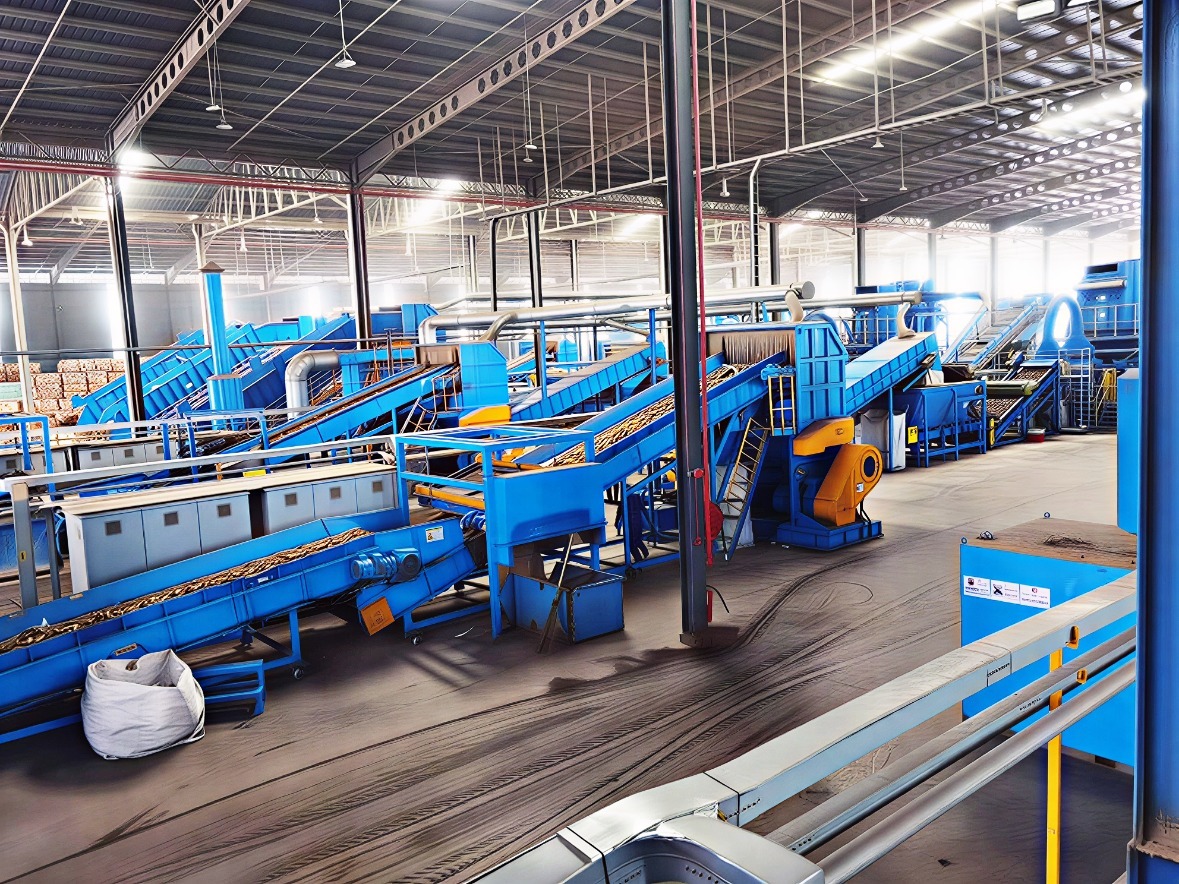
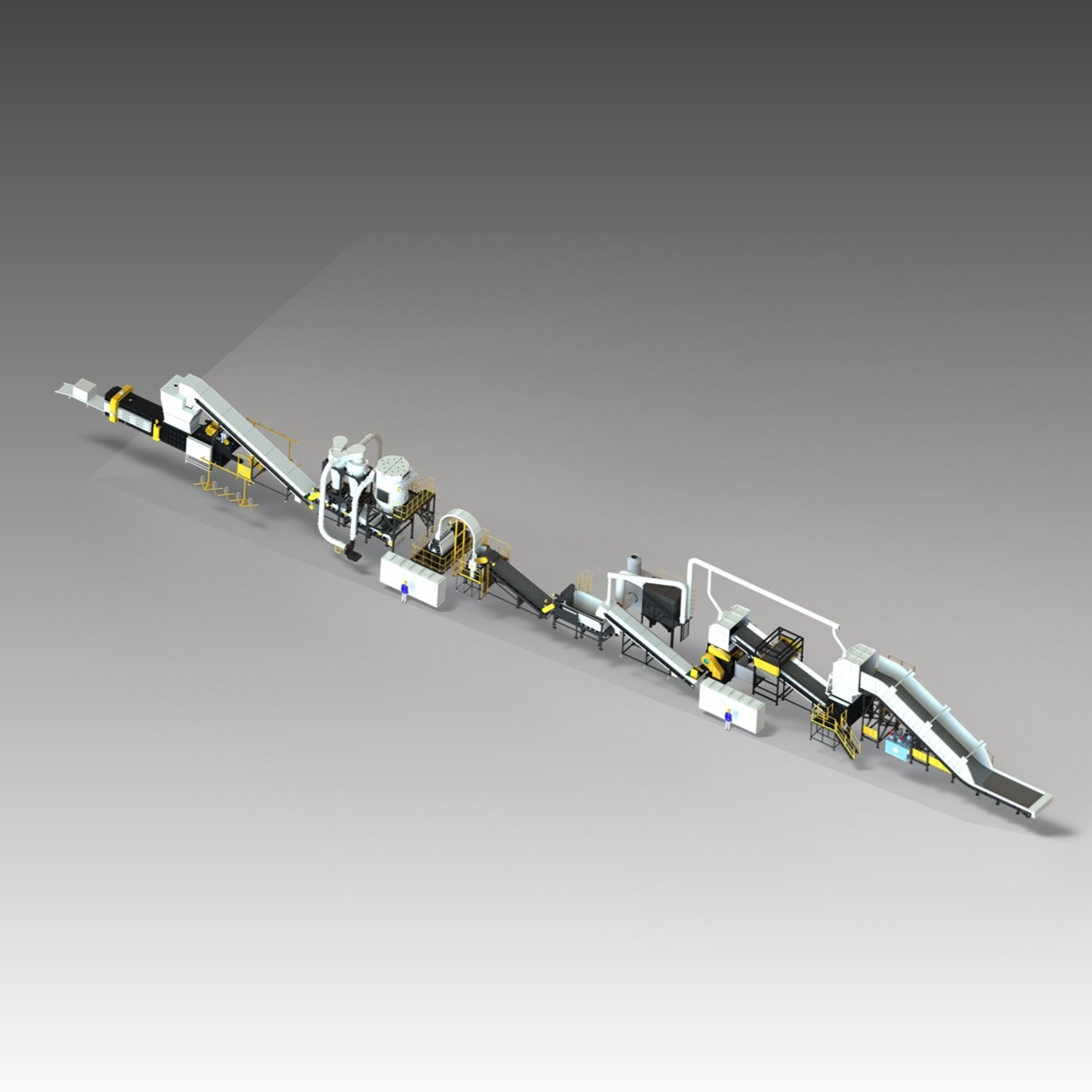
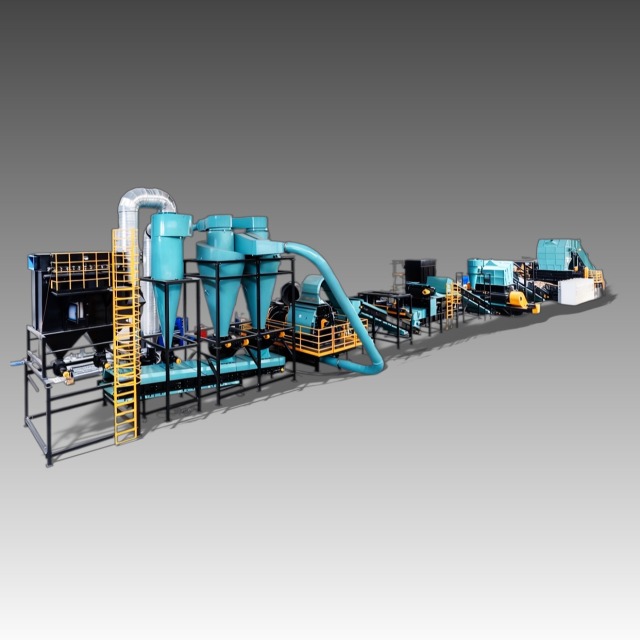
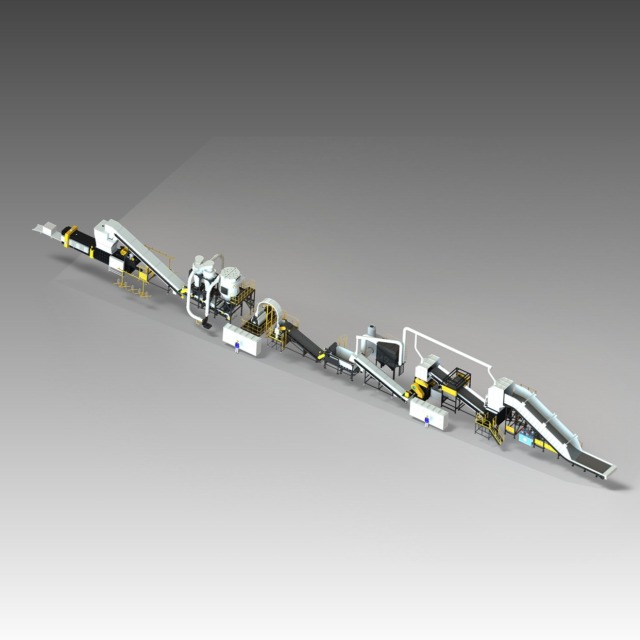
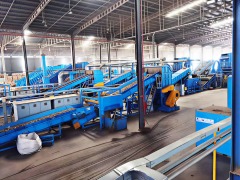
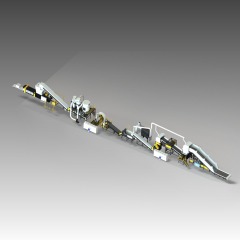
- Trace the inclined belt conveyors through the illustrated arrangement and use the product video alongside it to review material movement.
- Feed access needs to suit the way paper reaches the line, without obstructing operator routes around the connected machinery.
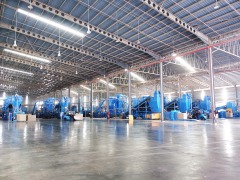
- Check the overhead connecting ducts and conical separator vessels against available building height.
- Beams, existing services and the space needed to reach connections all affect installation access; use project-specific dimensions rather than estimating from an illustration.
- Review the guarded platforms, safety railings and access ladders around elevated equipment.
- Their approach routes need to remain usable when nearby conveyors and other plant equipment are in place.
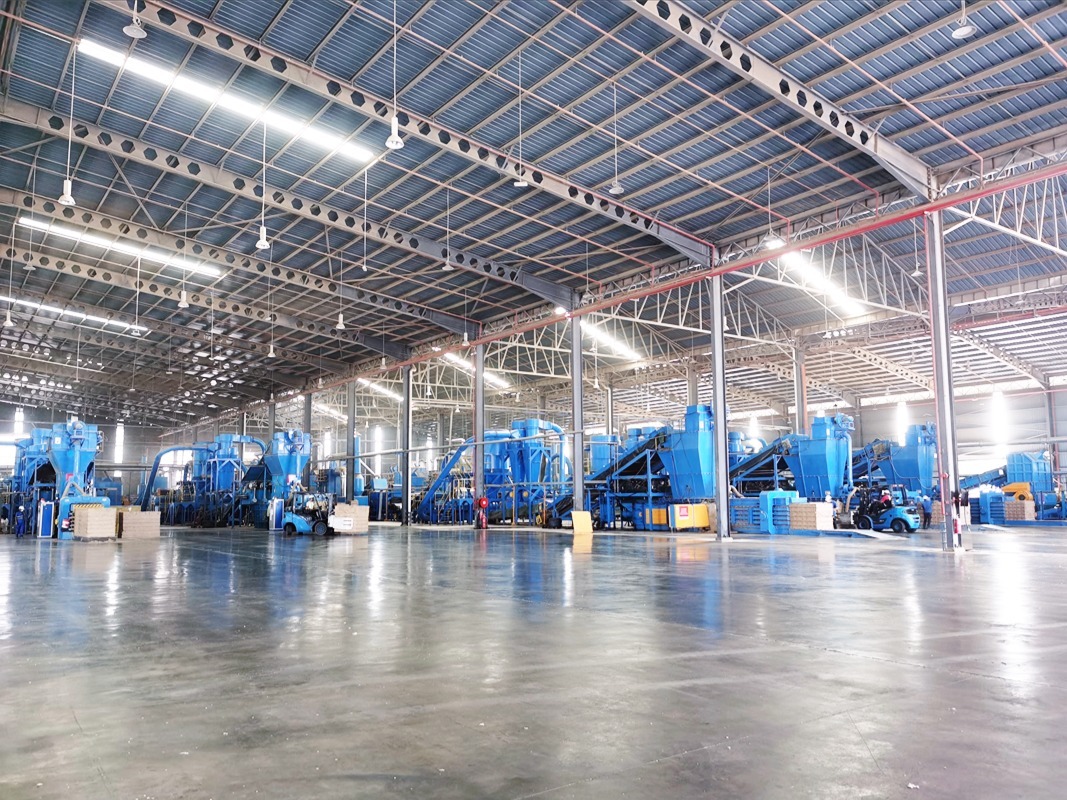
- Allow service space around enclosed housings and between interconnected units.
- Inspection covers, component removal routes and lifting access need consideration alongside the production footprint, since an arrangement that fits tightly may still be difficult to maintain.
- Work with your waste paper dry pulping supplier to examine how the dry process pulping system connects with existing material handling at both ends.
- Video can help explain the operating sequence, while the installation drawing should establish the actual elevations, transfer locations and access clearances for the building.
Ordering & Replacement Parts
- As an occ dry pulping line manufacturer, we continue to supply original spare parts at cost after the warranty period ends.
- This continued supply applies to original components for the installed equipment.
- Replacement-part requests should include the machine identification and the relevant part reference from the maintenance documentation.
- Photographs of the existing component can help distinguish assemblies that look similar but have different connections or mounting details.
Professional Certification
| Property | Scope or Detail |
|---|
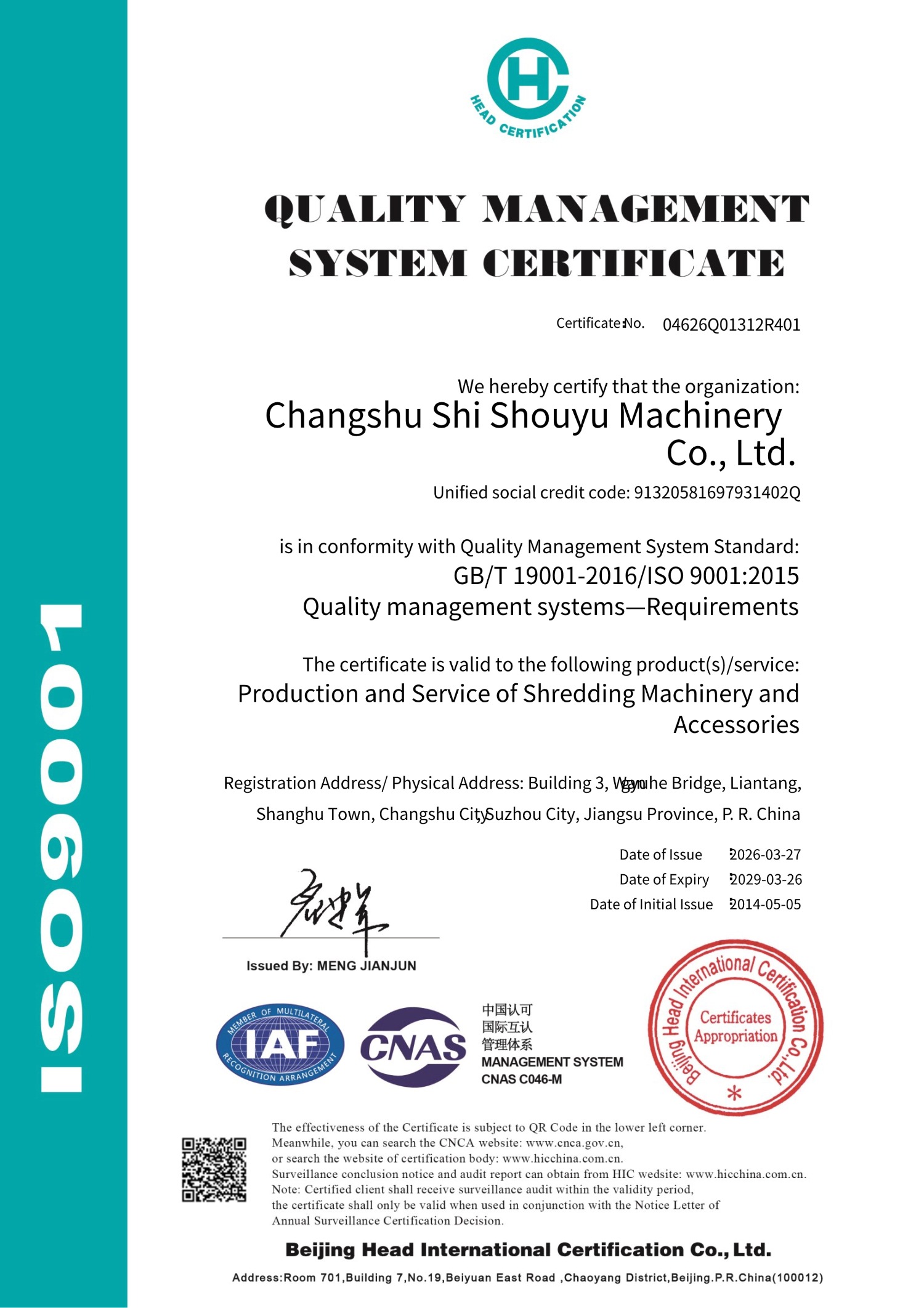
| Quality Management Standard | ISO 9001:2015 |
| Quality Certification Scope | Company quality management system |
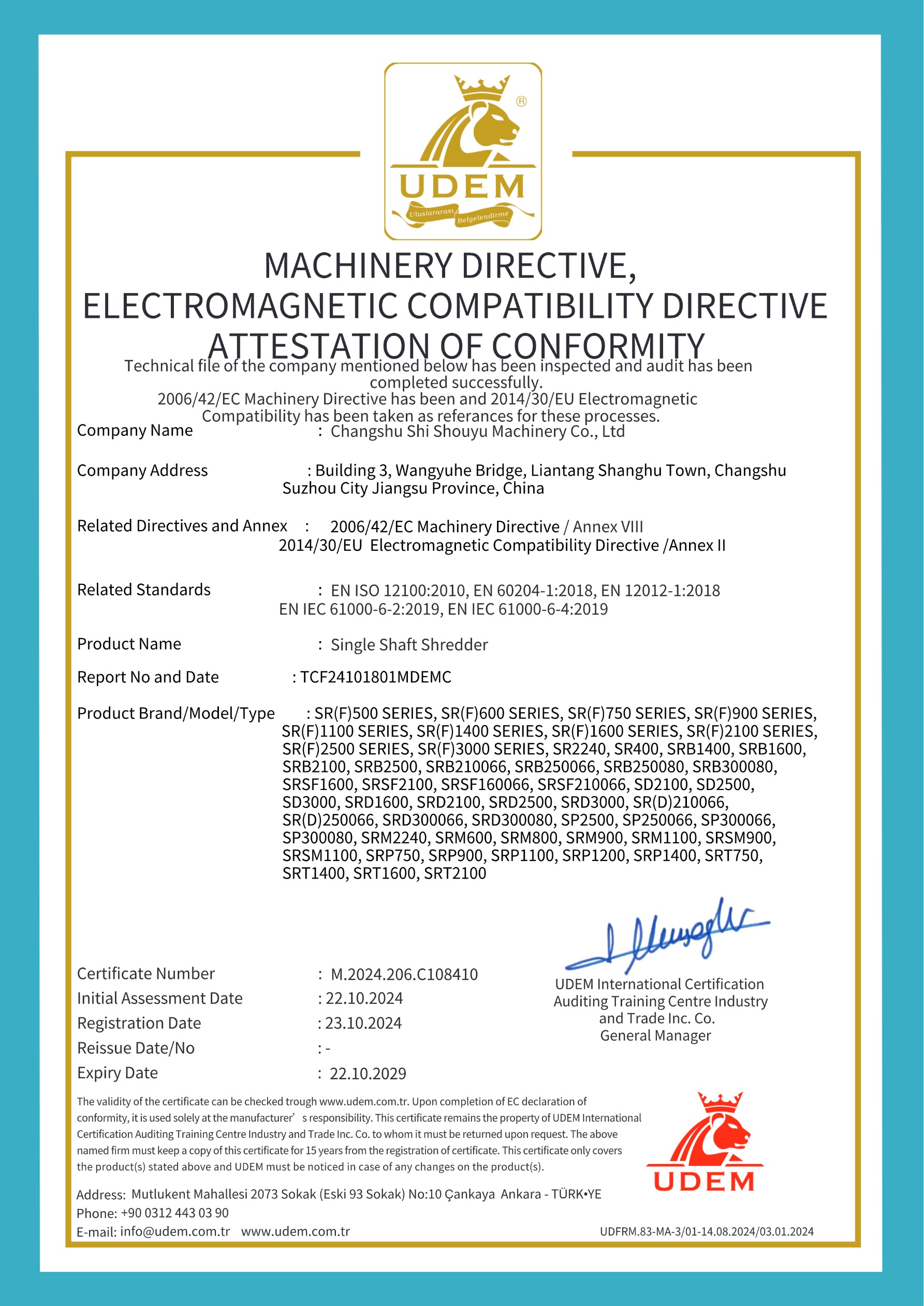
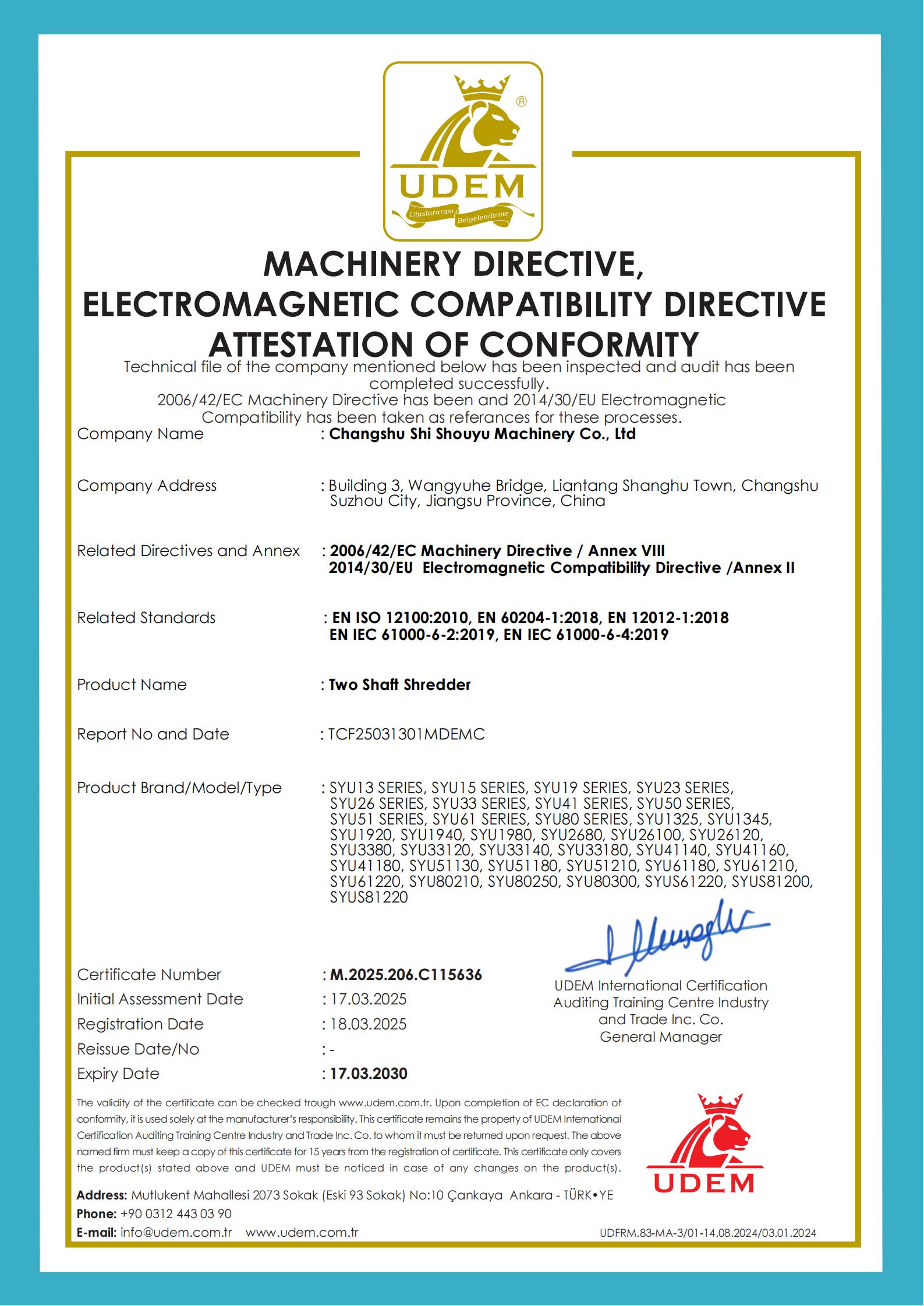
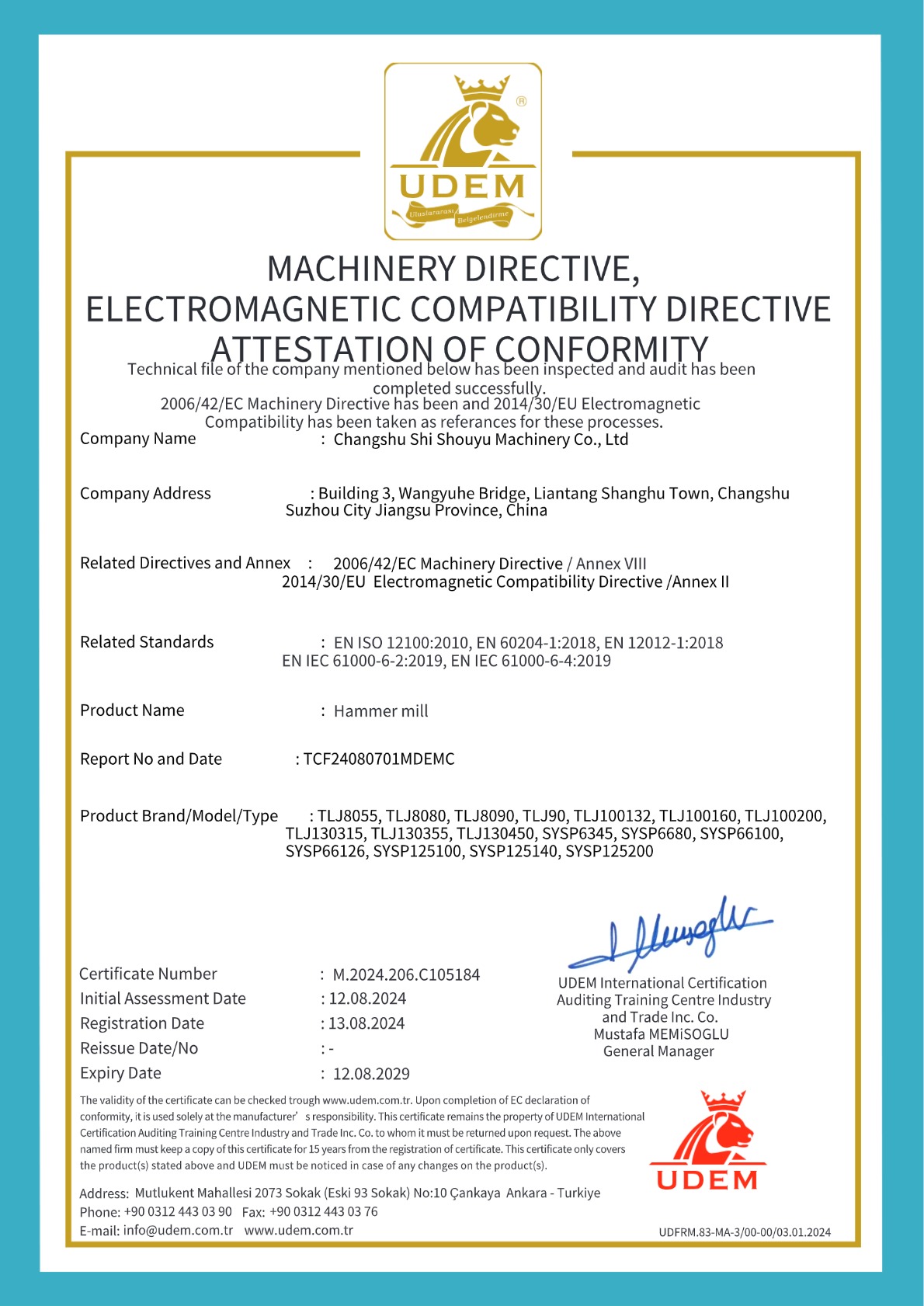
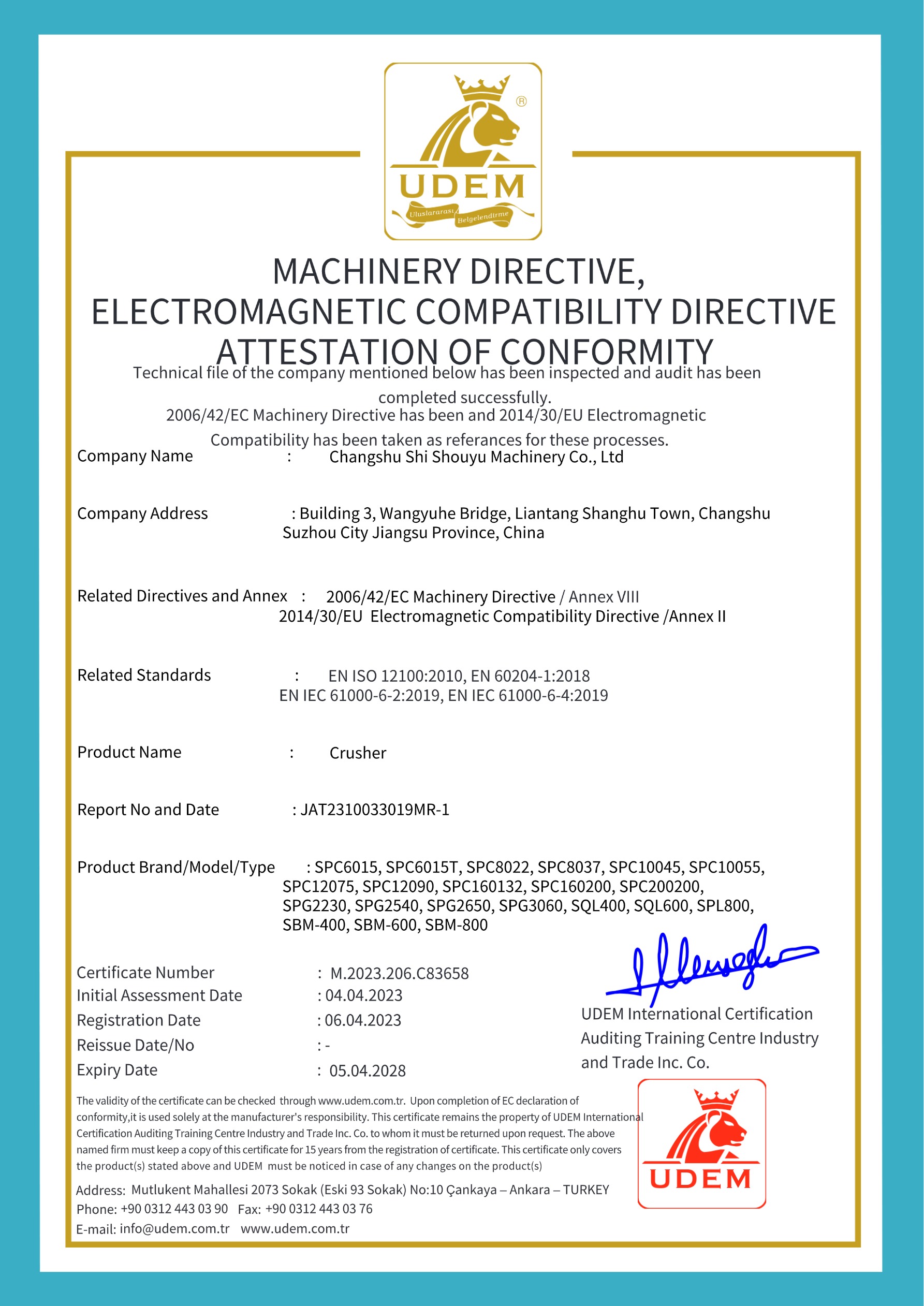
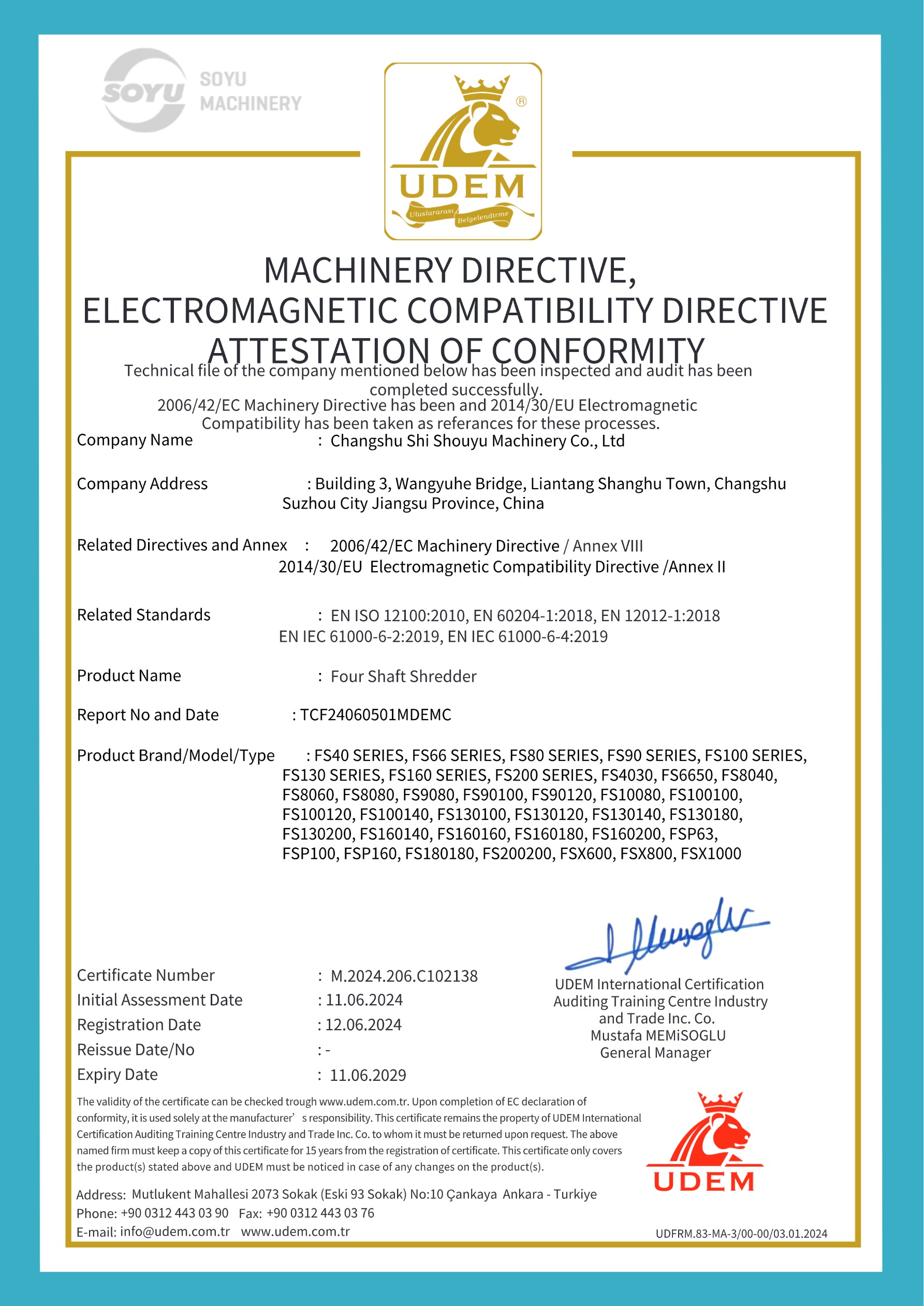
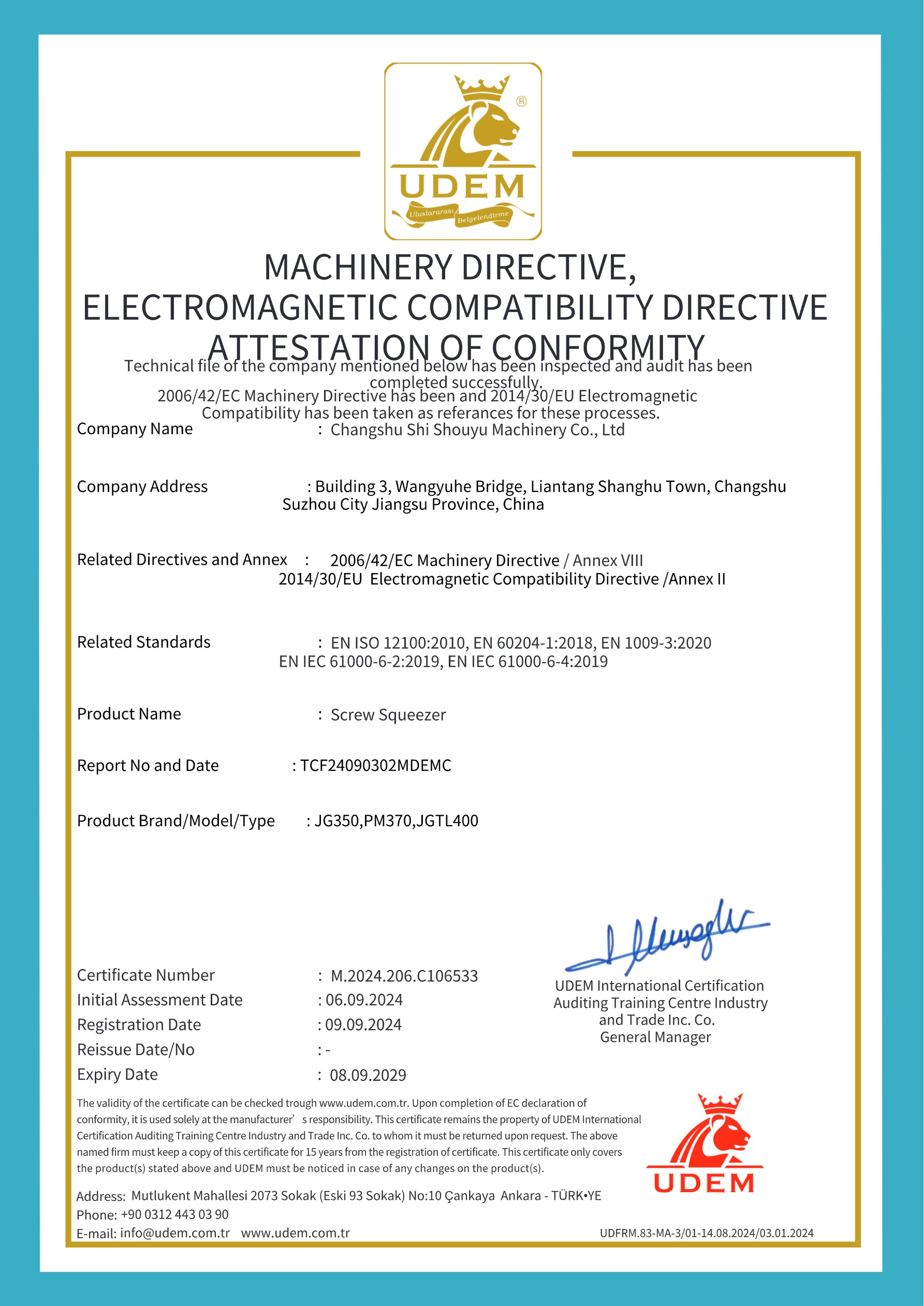
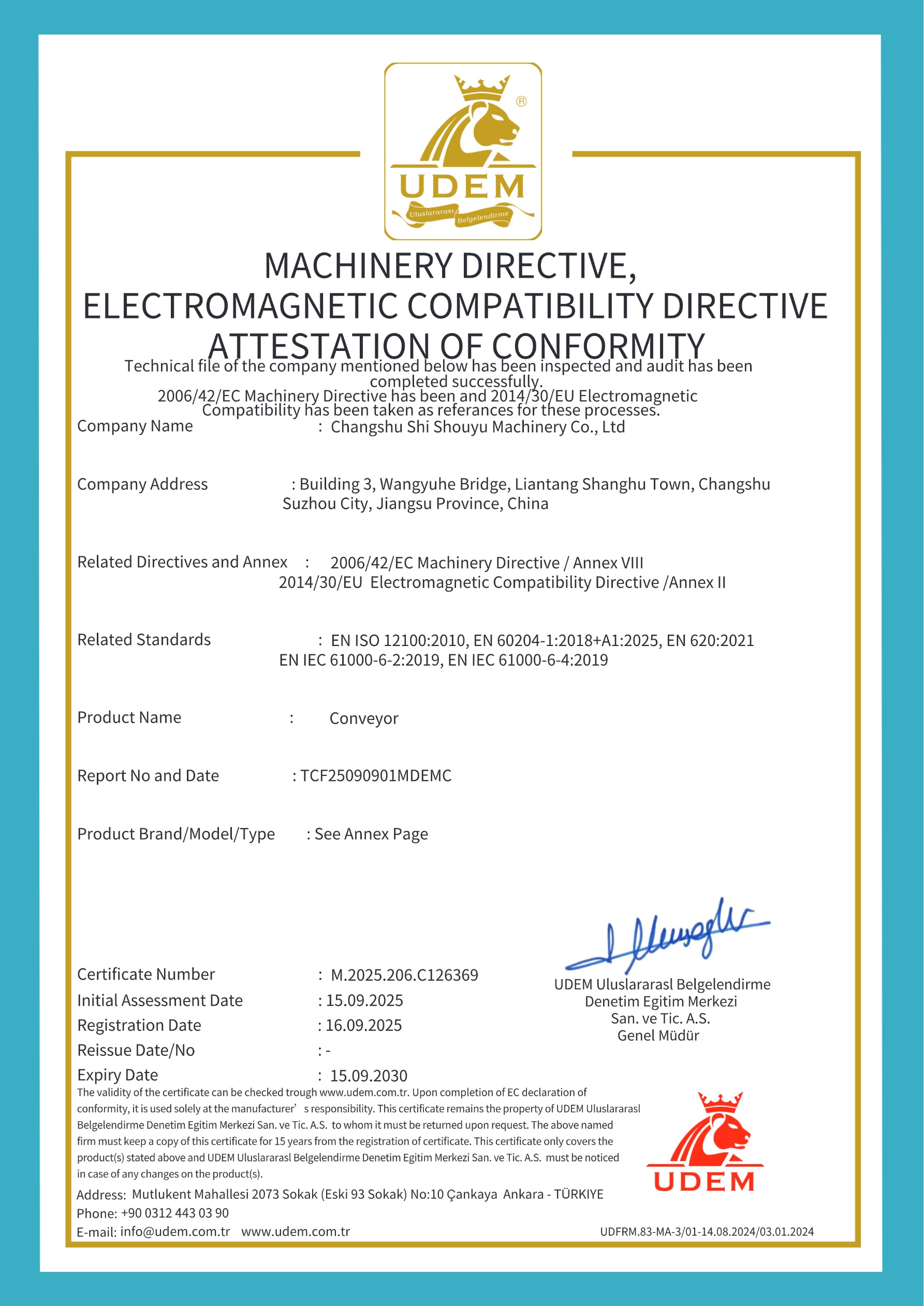
| Equipment Compliance | CE standards for shredding and separation equipment |
| Machinery Directive | 2006/42/EC |
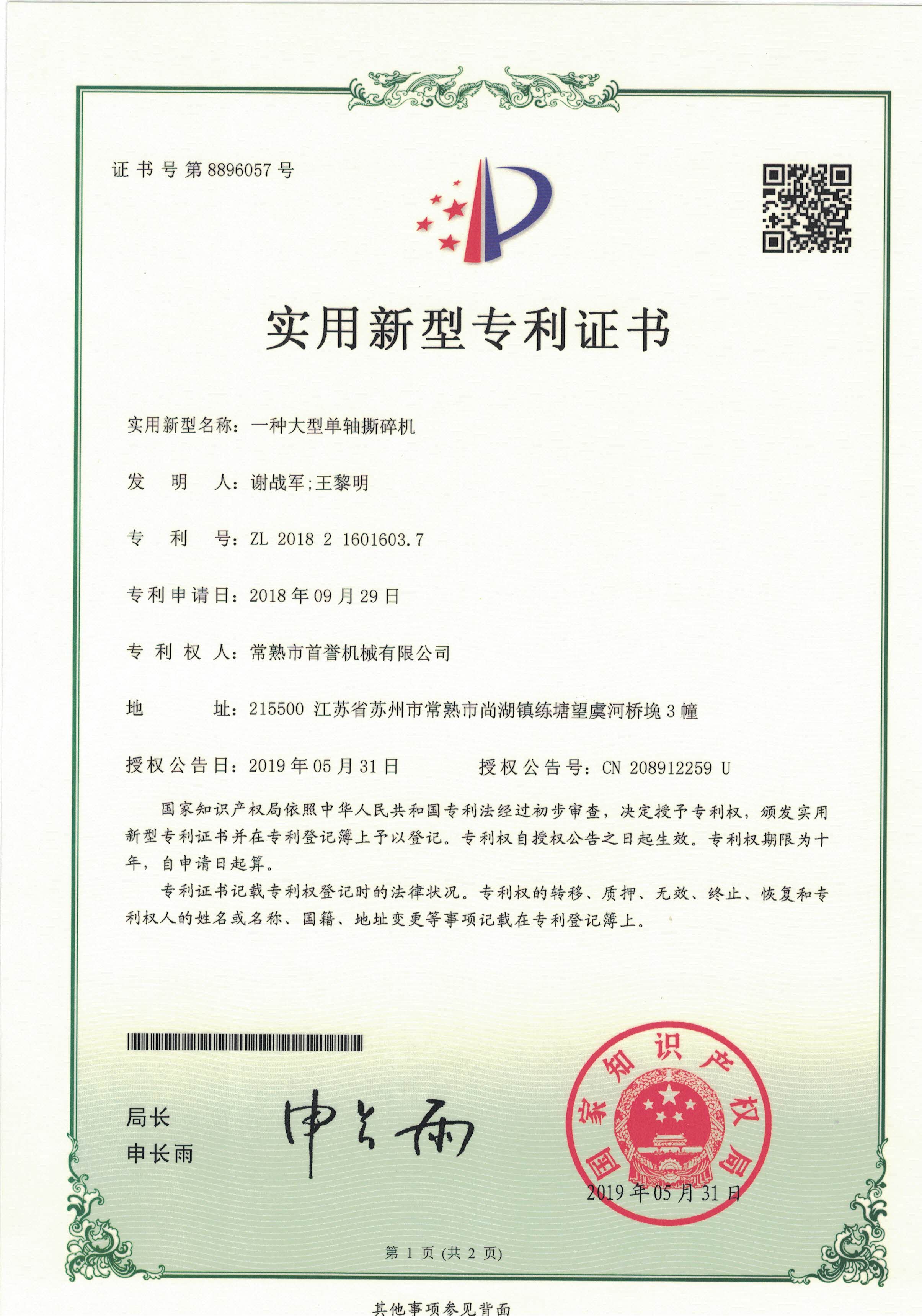
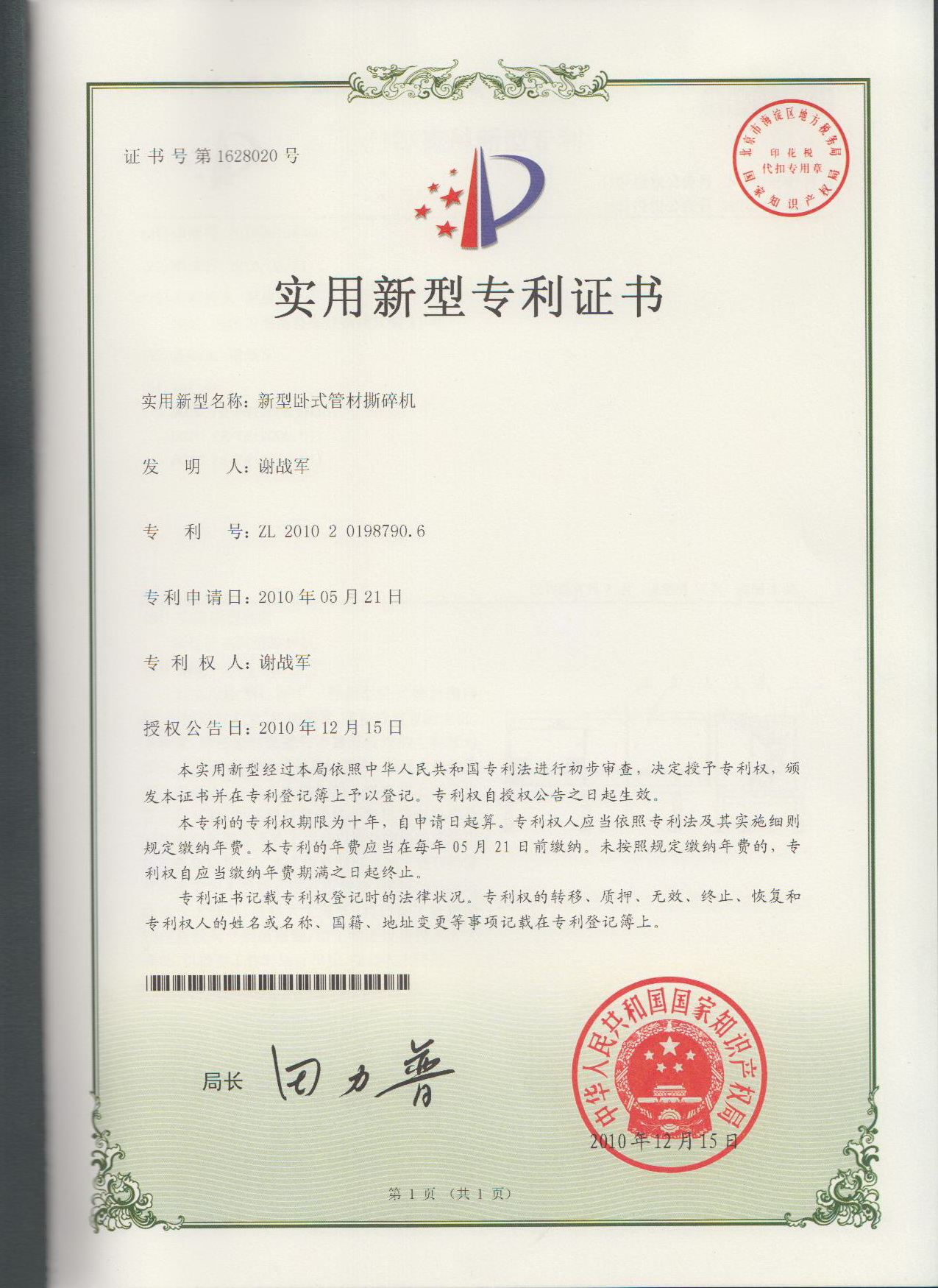
| National Patents | More than 80 |
| Patent Coverage | Core shredding technologies |
Technical Support & Model Matching
Choose equipment matched to your operating requirements with technical support from SOYU. We review your material characteristics, target throughput, site conditions and environmental requirements to recommend suitable models and configurations. Our support covers installation, commissioning and operator training to help your team prepare for operation. Overseas customers can access remote technical assistance for troubleshooting, while maintenance and original spare parts support continue after delivery. Original spare parts remain available at cost after the warranty period ends.
FAQ
Does mechanical pulping require added water?
Mechanical pulping operates without added water, separating the paper structure through a dry process rather than dispersing it into a water-based slurry. This applies to the fiber-recovery stage and does not mean that every downstream papermaking operation is waterless.
Can the line process wound paper tubes?
Paper tubes are included among the supported feedstocks for paper tube dry pulping. Their wound construction and adhesive content make them different from loose sheets, so representative tube dimensions and construction should be included when establishing the preprocessing configuration.
Does magnetic separation remove all non-paper material?
Strong magnetic separation removes iron-bearing material from the recovery stream. It does not provide universal removal of plastics, coatings, adhesives or non-ferrous metals, so those contaminants require attention in feed preparation and the receiving process requirements.
Will bulky cartons and dense tubes achieve the same throughput?
Corrugated containers and wound paper tubes present different shapes and structures to the reduction stage. For paper tube dry pulping, density, adhesive content and feed consistency can change the processing load, so throughput should be established for the intended material mix rather than borrowed from another paper grade.