Product Overview
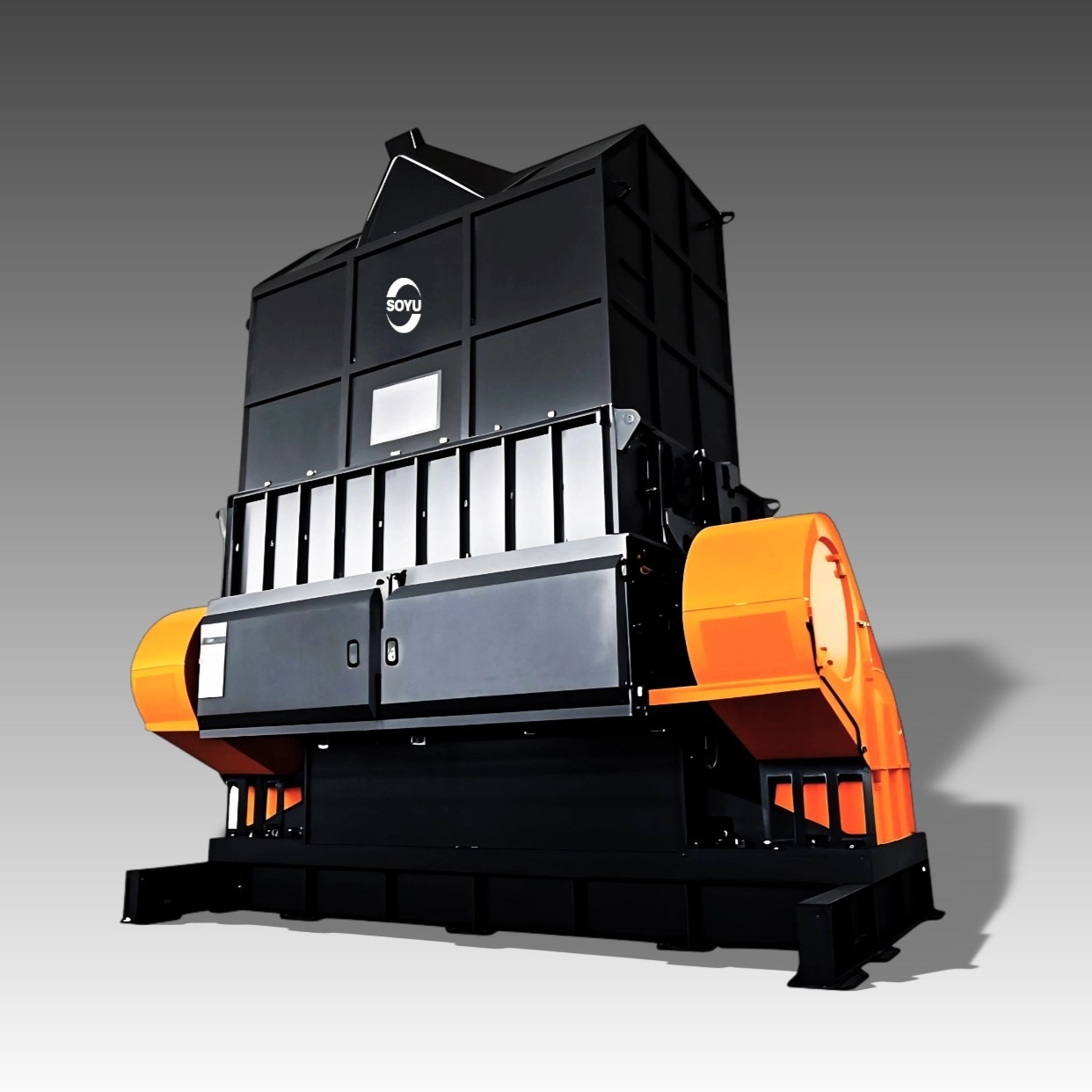
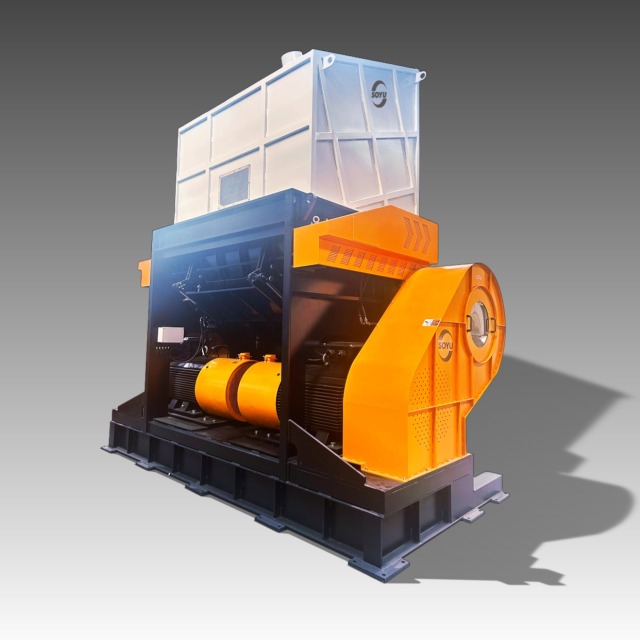
Industrial solid waste needs size reduction that fits the material arriving at the machine and the process that follows it. Our heavy-duty SRD range supports large-scale waste treatment and recycling, particularly secondary shredding after an earlier reduction stage. SOYU, a single shaft shredder machine manufacturer, designs and builds the range through CHANGSHU SHI SHOUYU MACHINERY CO., LTD. within the 3E technology platform established in 2009. Chamber configuration, feeding behavior and operating settings work together to prepare material for handling, separation or further processing. The modular shaft features surface-hardening treatment to extend blade and component service life, while replaceable cutter holders simplify maintenance. Hydraulically operated screen units and maintenance flap gates provide access for clearing foreign objects and adjusting blades.
Technical Specifications
| Parameter | SRD1600 | SRD2100 | SRD2500 | SRD3000 |
|---|
| Main shaft speed | 73–347 rpm | 73–347 rpm | 73–347 rpm | 73–300 rpm |
| Ram travel | 470 mm | 470 mm | 470 mm | 270 mm |
| Rotor diameter | 530 mm | 530 mm | 530 mm | 650 mm |
| Rotor blades | 54 | 69 | 72 | 52 |
| Fixed blades | 17 + 2 | 20 + 2 | 23 + 2 | 25 + 2 |
| Discharge height | 792 mm | 792 mm | 792 mm | 1,155 mm |
| Screen hole diameter | 40 mm | 40 mm | 40 mm | 80 mm |
| Main motor power | 2 × 75 kW | 2 × 90 kW | 2 × 110 kW | 280 kW |
| Hydraulic power | 7.5 kW | 11 kW | 11 kW | 11 kW |
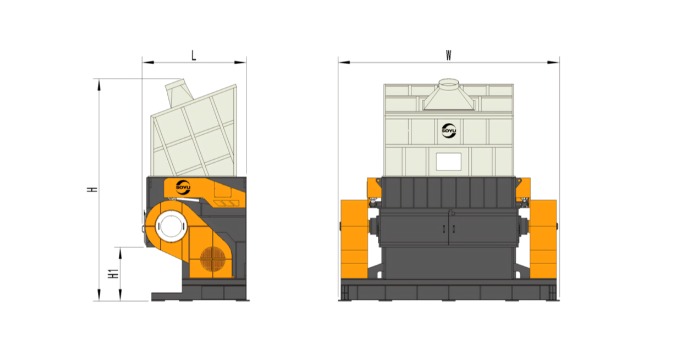
| Cutting chamber dimensions | 1,593 × 1,626 mm | 2,055 × 1,626 mm | 2,517 × 1,626 mm | 3,006 × 1,620 mm |
| Overall dimensions, L × W × H | 2,190 × 4,100 × 2,442 mm | 2,190 × 4,900 × 2,442 mm | 2,190 × 5,400 × 2,442 mm | 6,620 × 2,770 × 3,955 mm |
| Approximate weight | 11,000 kg | 13,500 kg | 16,000 kg | 25,000 kg |
Shaft & Cutter Construction
As a single shaft shredder machine manufacturer, we build the cutting assembly around a modular shaft with surface-hardening treatment, combining a serviceable construction with resistance to surface wear. The treatment supports component life without making cutter wear independent of the material being processed.
Fabricated cutter holders allow replacement and maintenance at the cutting assembly. Their replaceable construction helps technicians address a worn or damaged holder without treating every service task as a complete assembly replacement.
Large cutter blades are engineered for replacement and extended service. Blade condition remains important: a worn cutting edge can change the way material engages, increasing the effort needed to achieve the required reduction.
Rotor blades work with fixed blades to cut the incoming material. Cutter adjustment belongs to the maintenance procedure for the installed configuration; blade counts alone do not establish throughput or cutting quality.
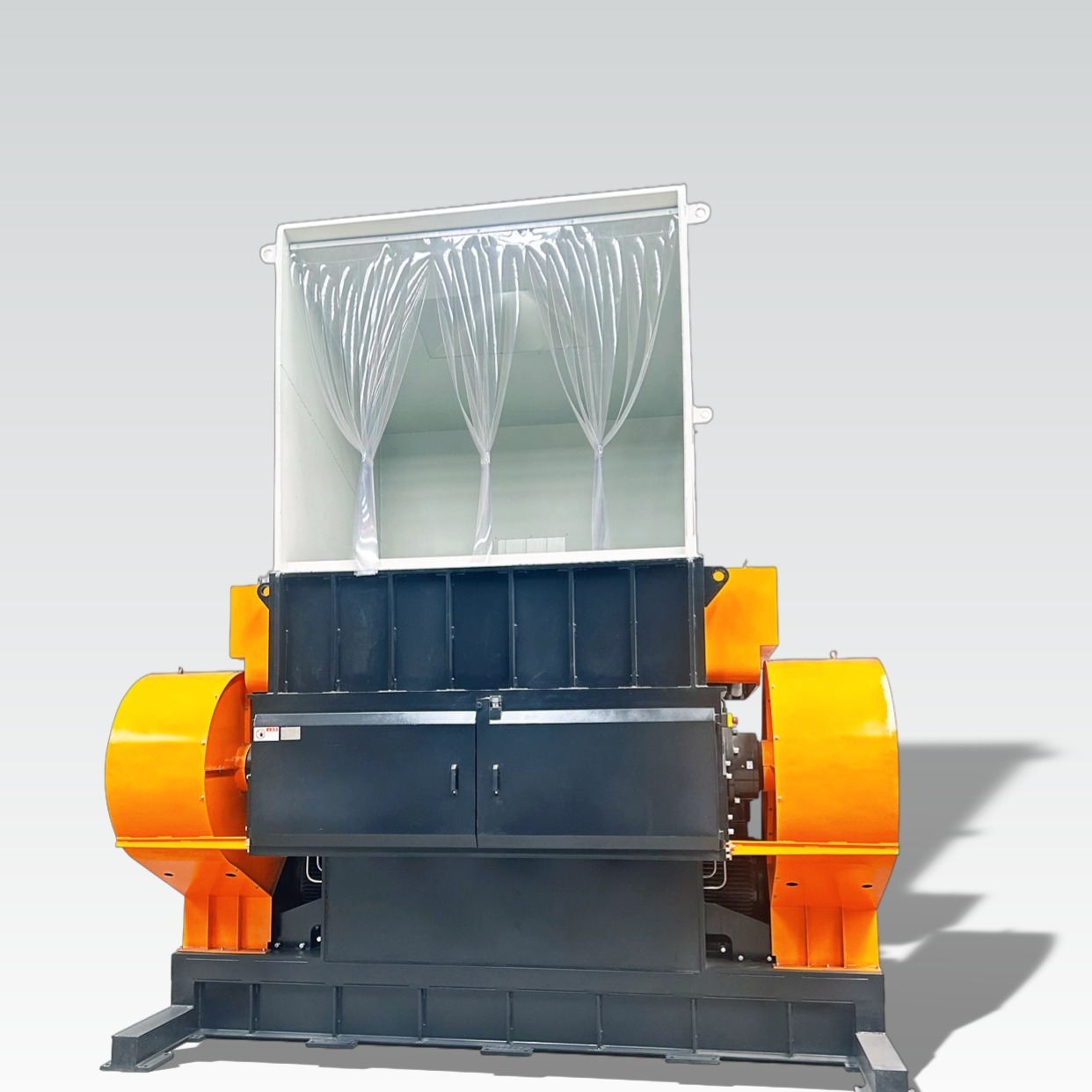
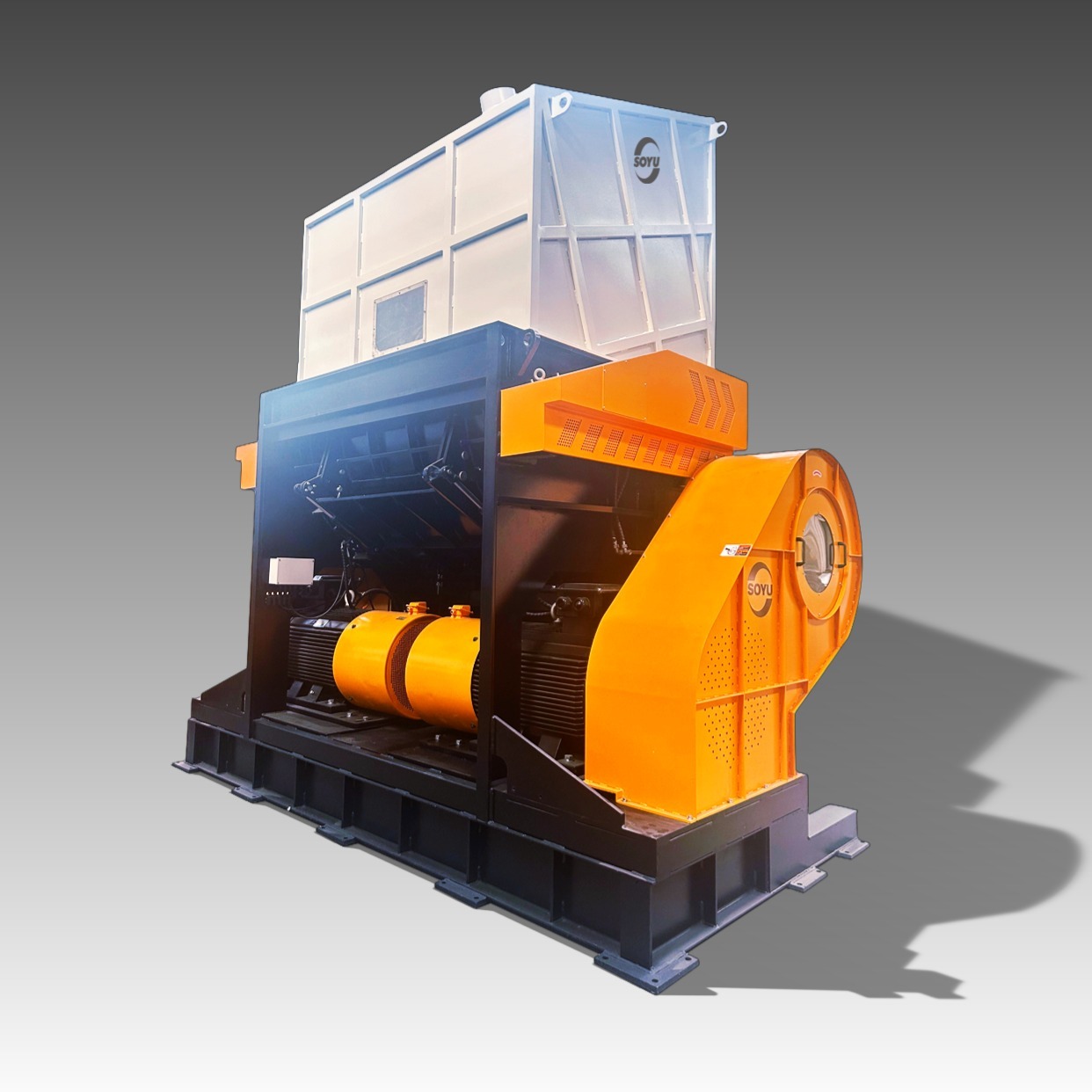
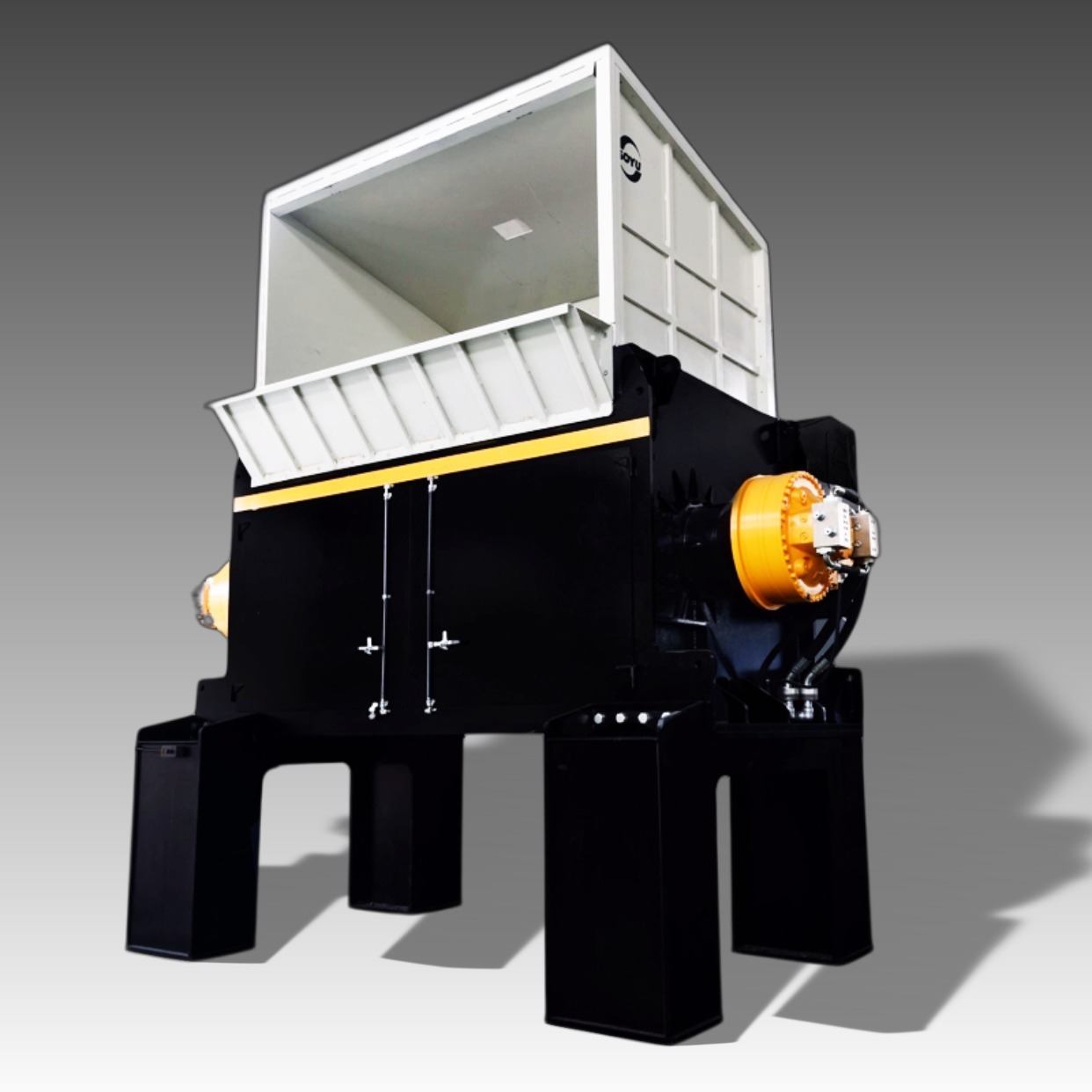
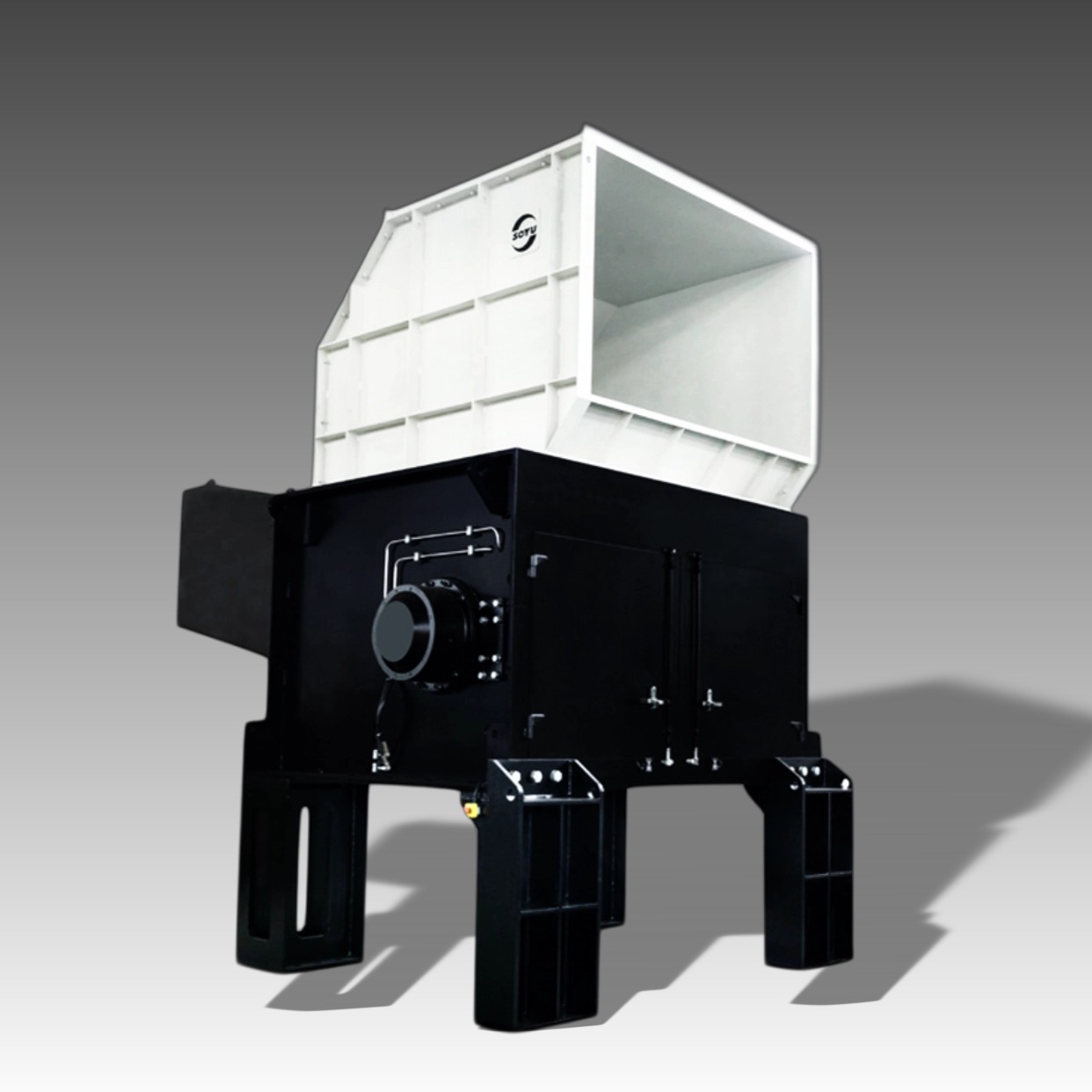
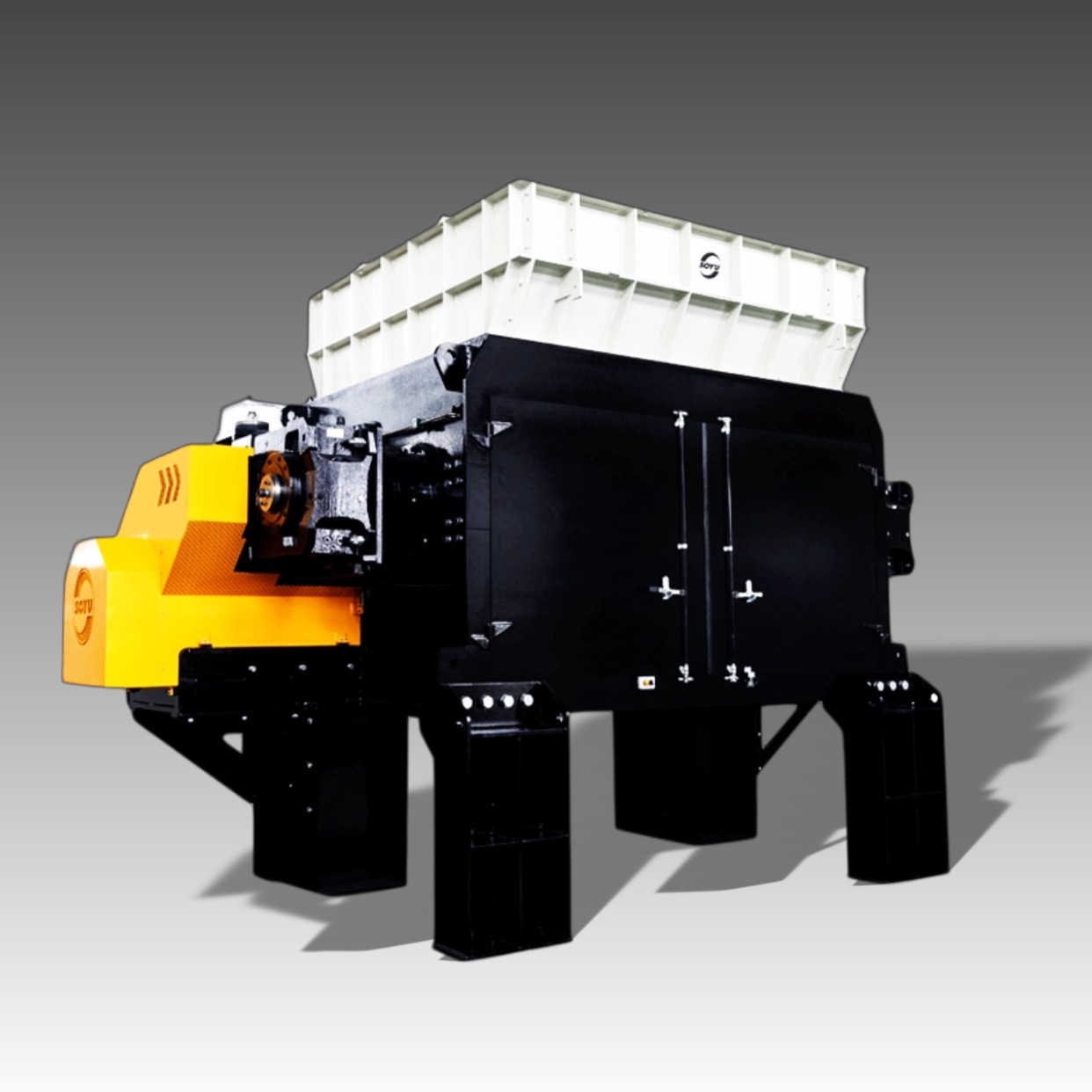
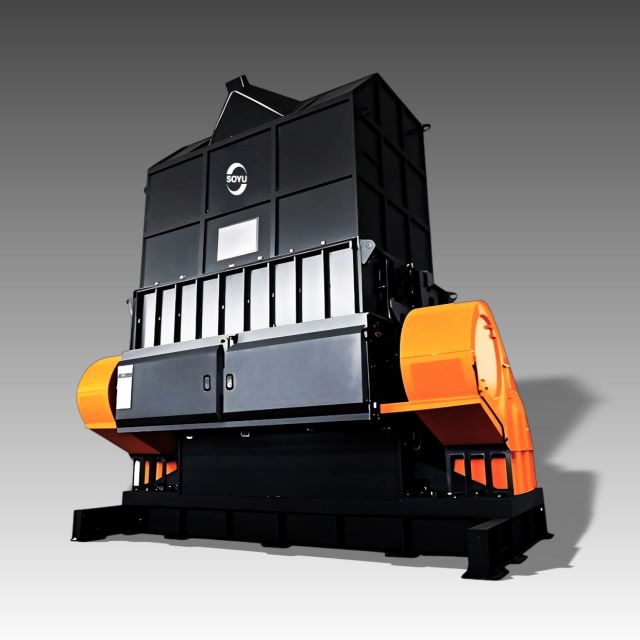
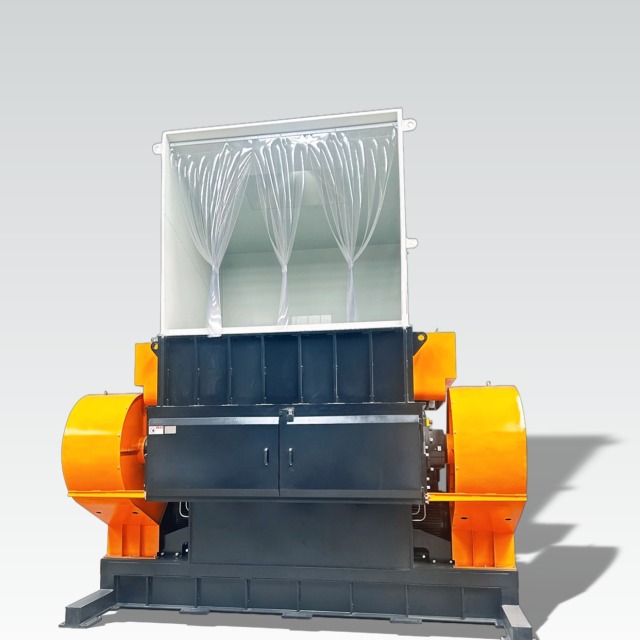
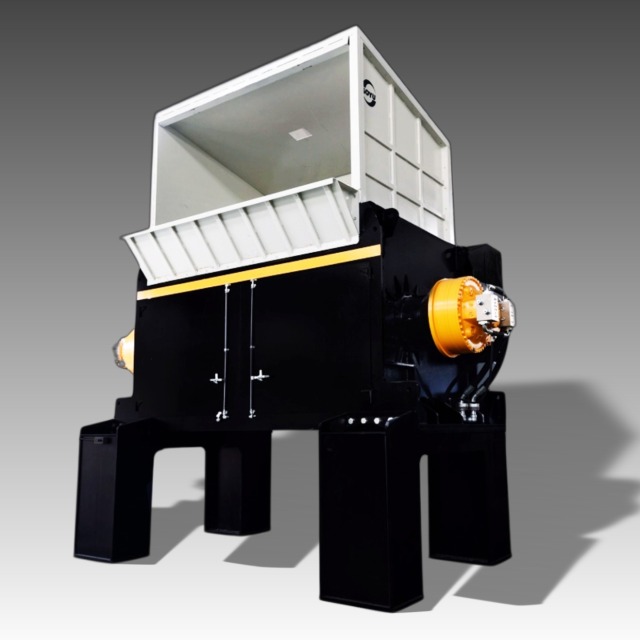
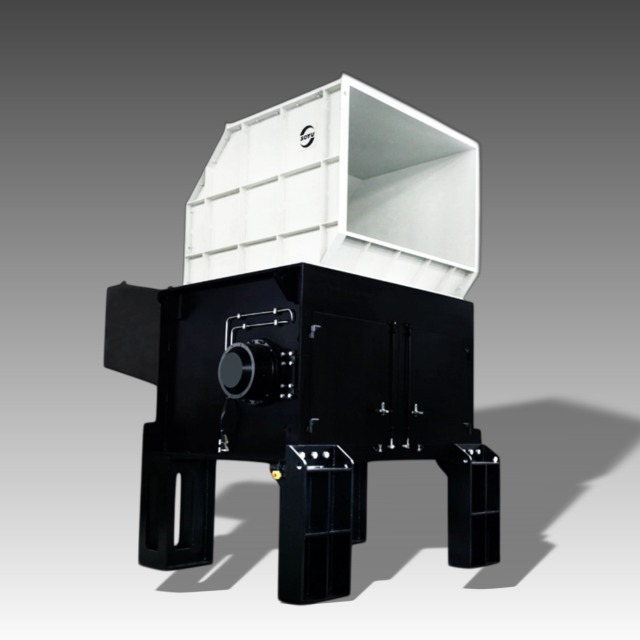
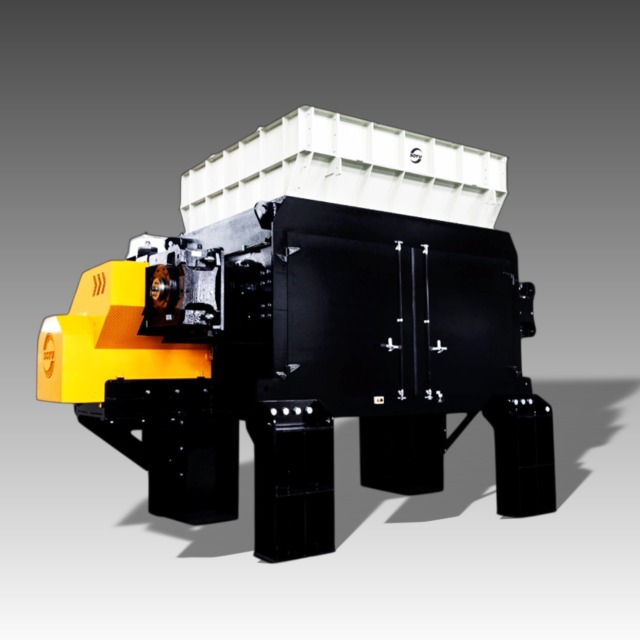
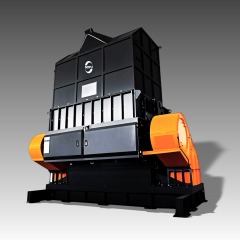
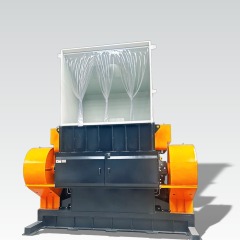
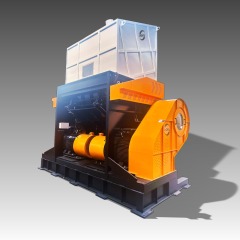
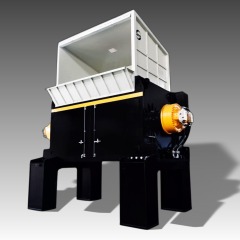
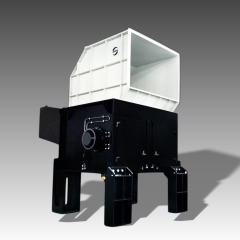
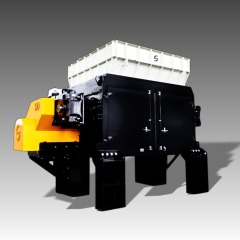
Photographed configurations include upper feed hoppers, reinforced exterior panels, front access doors and enclosed side drive housings, with ventilation panels and inspection windows on some views. Hopper and enclosure arrangements should match the final machine drawing rather than be assumed identical across every configuration. Adjustable speed controls support different processing needs, while torque overload protection helps prevent motor damage. Balanced hydraulic feeding pressure helps reduce jams in dense waste streams, and hydraulic access points simplify maintenance to reduce downtime.
Product Advantages
- Volume reduction with an industrial waste single shaft shredder makes bulky waste easier to contain between processing stages.
- The practical benefit depends on the original material form and the way the reduced material is collected.
- More manageable pieces can reduce awkward handling at transfer points.
- This helps operators move material through a processing route instead of repeatedly handling oversized items.
- Recoverable material can be prepared for a useful downstream route rather than treated only as disposal waste.
- The recovery result still depends on sorting, contamination and the requirements of the receiving process.
- A defined shredding stage gives operators a consistent place to monitor changes in incoming waste.
- Comparing feed and discharge observations helps distinguish a material change from an equipment issue.
- When comparing SRD single shaft shredder wholesale options, assess operating cost through measured electricity consumption, wear-part use and maintenance labor.
- Installed motor power alone does not describe energy use per unit of processed material, and purchase cost alone does not describe the cost of running the machine.
Feeding & Operating Performance
The internal hydraulic ram advances material toward the rotor in a compact arrangement, helping maintain controlled contact between the feedstock and the cutting assembly. Its feeding pressure supports steadier processing when incoming material does not naturally settle against the cutters.
Dense pieces and loose material place different demands on the feed. Evenly presented batches help the ram work through the material, while sudden changes in loading can interrupt otherwise stable operation.
For a single shaft shredder for industrial use, feed presentation deserves the same attention as the drive rating. Bridging above the cutting zone, poorly distributed loading and oversized pieces can restrict material engagement even when the chamber appears to have spare space.
Torque overload protection helps limit the effect of excessive loading. A protection event should prompt an inspection of the cause before operation resumes; it does not make unexpected hard inclusions acceptable feedstock.
Representative-material trials provide a useful basis for assessing throughput. A meaningful comparison records the material condition, loading method, operating settings and discharged material together, rather than treating chamber size or motor power as a stand-alone production rating.
Material Applications
- Plastic & Film applications require attention to material form as well as polymer type. Rigid pieces, flexible sheets and compacted material can behave differently as they enter the cutting zone.
- Wood & Wood Pallet processing depends on piece dimensions and embedded hardware. Painted, treated or contaminated wood also needs a suitable downstream handling route.
- Paper & Cardboard streams can contain folded sheets, compacted packaging and mixed attachments. Moisture and contamination affect handling and the usefulness of the recovered output.
- Metal & Metal Chip applications need a material-specific review of alloy, thickness, chip form and inclusions. An aluminium example does not establish unrestricted suitability for steel scrap, dense metal sections or every chip stream.
- Electronic Scrap requires preparation around its components and hazards.
- Batteries and other hazardous items need an appropriate removal and handling process before mechanical reduction.
- RDF & MSW applications involve refuse-derived fuel and municipal solid waste streams with changing composition. Shredding prepares the material mechanically; fuel acceptance and waste-treatment requirements also depend on the complete process.
Industrial Use Scenarios
Production sites can use a dedicated reduction stage to keep manufacturing scrap from accumulating beside active work areas. Locating collection and feeding around the production routine helps separate waste handling from the work that generated it.
Batch-based factories may process scrap between production runs. Keeping unlike batches identifiable makes it easier to trace changes in discharged material and avoid mixing recoverable streams unnecessarily.
An industrial waste single shaft shredder can also serve a centralized waste-handling area receiving material from several workshops. Separate collection containers help preserve known material characteristics before batches reach the machine.
Resource-recovery industrial parks may incorporate shredding into a coordinated treatment route. Material acceptance rules should remain consistent between the collection area, the machine operator and the downstream process.
Replacement projects need an assessment of the existing operating bottleneck. A restricted feed route, unsuitable collection method or limited downstream equipment may continue to constrain production even after a different shredder is installed.
Mixed-Waste Facility Processing
- Incoming municipal waste needs an acceptance check before it reaches the cutting chamber. Identify prohibited items and unusually difficult loads so they can follow the facility's appropriate handling route.
- Primary or secondary placement depends on the condition of the incoming waste.
- Already reduced material presents a different task from bulky, heterogeneous loads, so the complete treatment route should determine where the unit operates.
- Upstream sorting should remove items that the shredding stage is not intended to process.
- Overload protection supports the machine but does not replace contaminant control.
- Batch transitions deserve operator attention when an industrial waste single shaft shredder receives changing mixtures.
- Record substantial composition changes so interruptions can be traced to the material being handled.
- Discharged waste needs a collection route matched to the facility's sorting or treatment equipment. Local waste-handling requirements, dust management and any emissions controls remain responsibilities of the complete installation.
Secondary Recycling Preparation
Secondary reduction prepares previously handled material for the demands of the next recovery stage. A single shaft shredder for industrial use can help turn irregular incoming pieces into a more manageable feed for subsequent equipment.
Screen openings influence which material can leave the cutting chamber, but aperture size is not a promise that every discharged piece will have identical dimensions. Elongated, flexible and irregular pieces can behave differently during cutting and passage through the screen.
Sorting equipment needs material it can separate effectively. Excessively large pieces may conceal attached components, while unnecessary further reduction can create fines that complicate some recovery routes.
Liberating joined materials may improve access for a later separation stage. Shredding alone does not establish recovered-material purity, and the required separation method depends on the constituents in the feed.
Output assessment should consider the size distribution, oversize fraction, fines and remaining attachments together. The useful result is material that meets the receiving process's requirements, rather than a smaller piece size pursued without a defined end use.
Processing-Line Interfaces
- Installation drawings should establish the machine orientation and its relationship to surrounding equipment.
- Allow for the operating envelope and service movements in addition to the overall dimensions in the specification table.
- Structural design needs the supplied equipment weight together with project-specific support and anchoring requirements.
- A qualified site engineer should assess the foundation or supporting structure for the installation.
- Feed equipment must present material to the hopper without obstructing access or encouraging uncontrolled loading.
- The chosen conveyor, chute or loading arrangement needs to suit the actual material and working height.
- Discharge equipment should align with the outlet and accommodate the material leaving it.
- Receiving conveyors, chutes and containers need sufficient room to avoid material backing up beneath the machine.
- Electrical coordination for a single shaft shredder for industrial use includes the incoming supply, protection devices, cable routing and machine connection requirements.
- Main motor and hydraulic power ratings should both be included in that review.
- Control integration requires agreement on start and stop sequences, permissive signals, fault handling and emergency-stop responsibilities.
- The exact electrical interface and communication protocol should be established for the supplied configuration.
Processing Videos & Cases
- Aluminium demonstration footage provides a material-specific example of feeding and reduction.
- Alloy, section thickness and attached components need to be comparable before drawing conclusions for another application.
- RDF footage helps illustrate how a prepared fuel-related stream moves through the machine.
- Material composition and moisture condition are important when comparing the example with a proposed load.
- Plastic lump footage focuses on the behavior of a bulky, rigid feed form.
- Look at how the piece engages the cutting zone and whether the demonstrated starting form resembles the material you handle.
- Two wood demonstrations provide separate views of wood processing.
- Comparing initial piece shape and loading behavior is more useful than assuming both examples represent the same operating conditions.
- Glass fiber footage provides an example of composite-material handling.
- Resin content, reinforcement form and the finished component structure can change cutting behavior, so a comparable application case should include those details.
Maintenance & Care
Cutter-area inspection begins with the machine isolated and secured under the operating manual's procedure. Hydraulic components and moving assemblies require the specified precautions before anyone enters or works around an opened service area.
Routine checks should follow the condition of the material-contact components rather than an assumed universal replacement interval. Abrasive inclusions, contamination and operating habits can produce different wear patterns between installations.
Cleaning should remove accumulated material without damaging cutting edges, seals or hydraulic components. Suitable tools and the approved cleaning method are preferable to forcing lodged material through the assembly.
Hydraulic hoses, connections and accessible drive components need inspection for visible damage, leakage or abnormal condition. Ventilation openings also need to remain clear so the surrounding enclosure does not become obstructed by debris.
Maintenance records help technicians recognize recurring problems. Recording unusual noise, repeated overload events, changes in discharge and the work completed creates a more useful service history than recording operating hours alone.
Ordering & Aftercare
srd single shaft shredder wholesale enquiries can cover an individual machine or incorporation into an integrated shredding and sorting line. The agreed equipment configuration should identify the machine and the components included in the supply.
Original spare parts remain available at cost after the warranty period ends. For replacement parts, use the machine nameplate and component identification to match the original part to the installed configuration.
Professional Certification
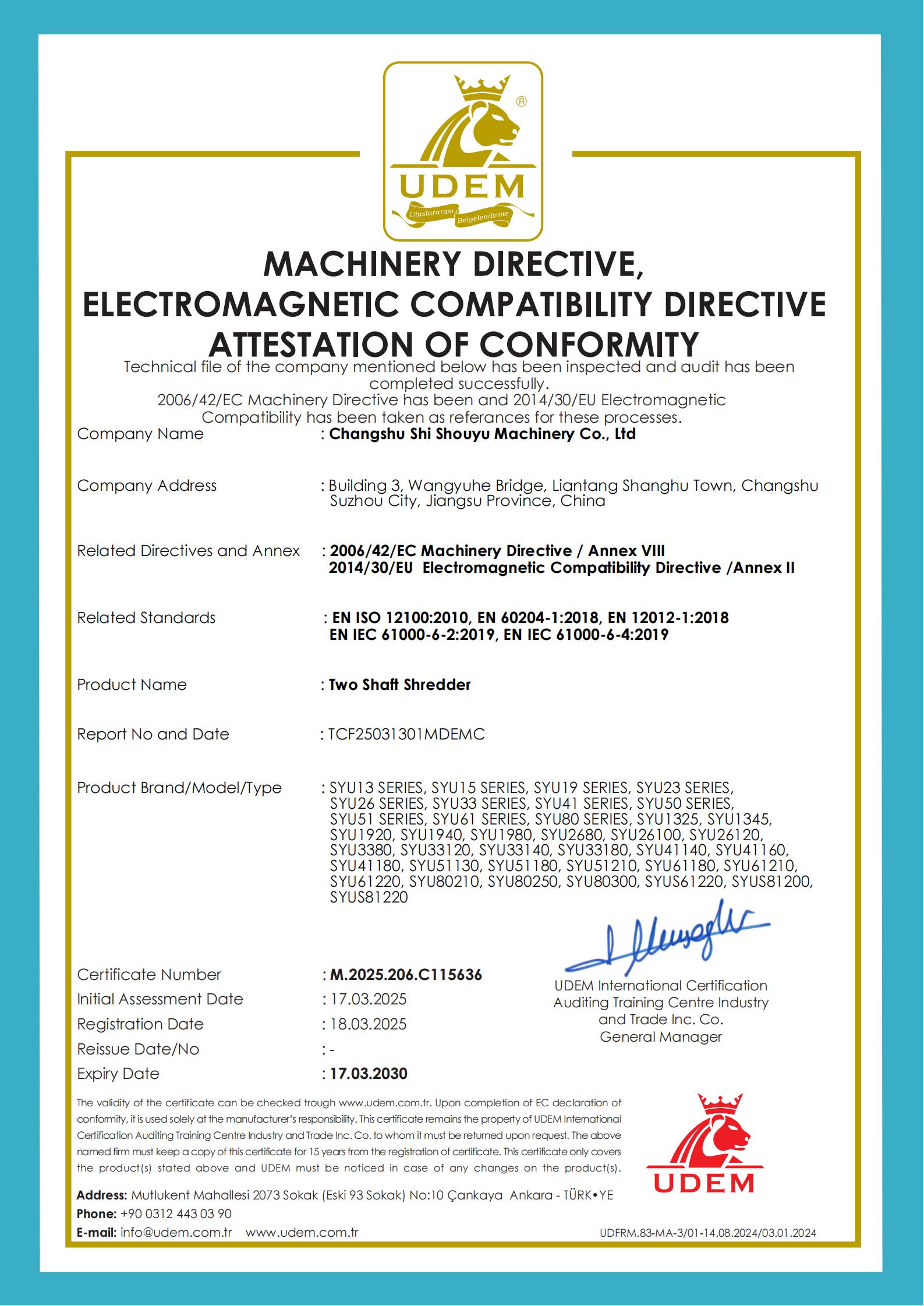
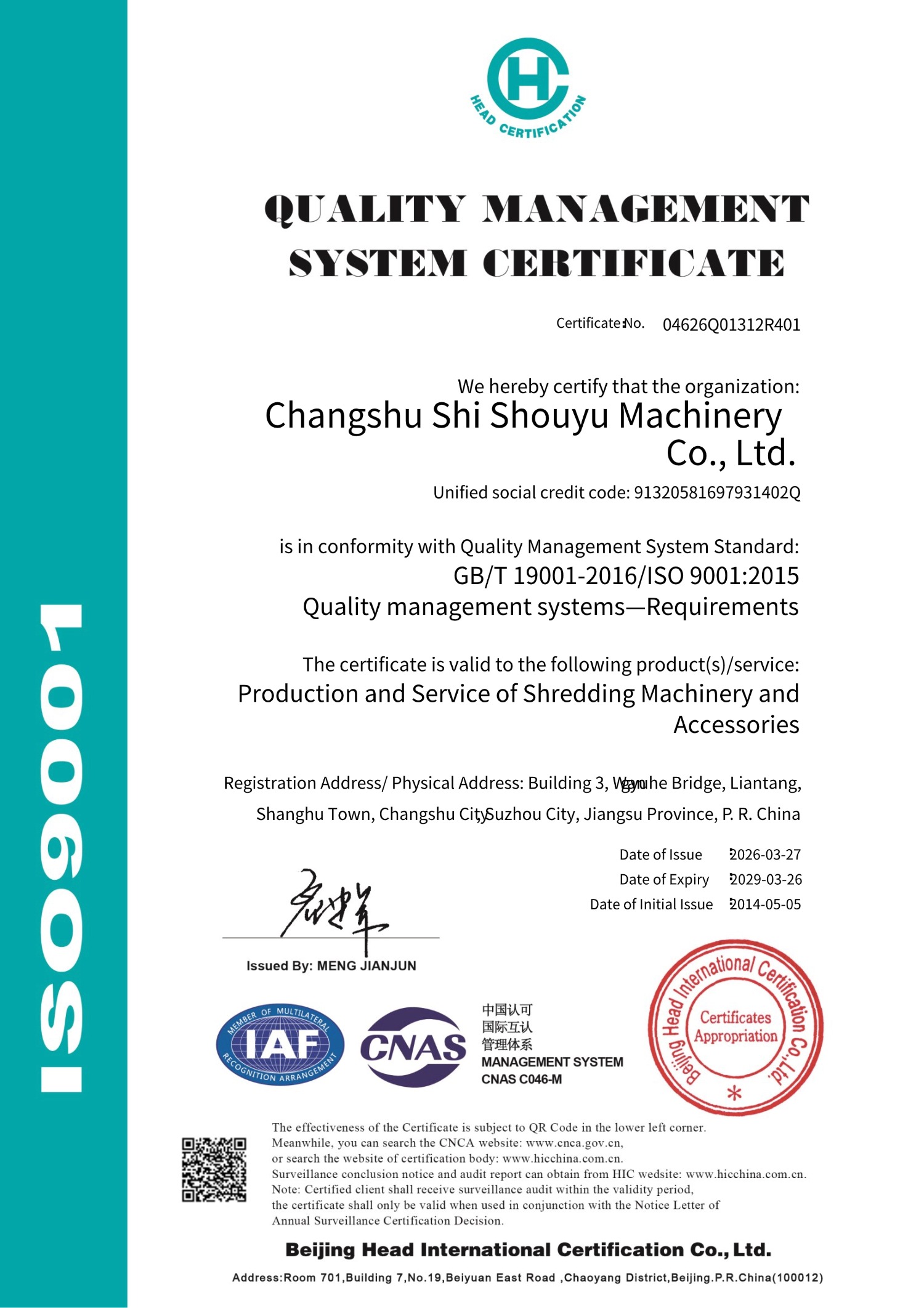
- ISO 9001 certification supports SOYU's quality-management system. Its scope concerns the manufacturing organization and should be distinguished from the operating performance of an individual machine.
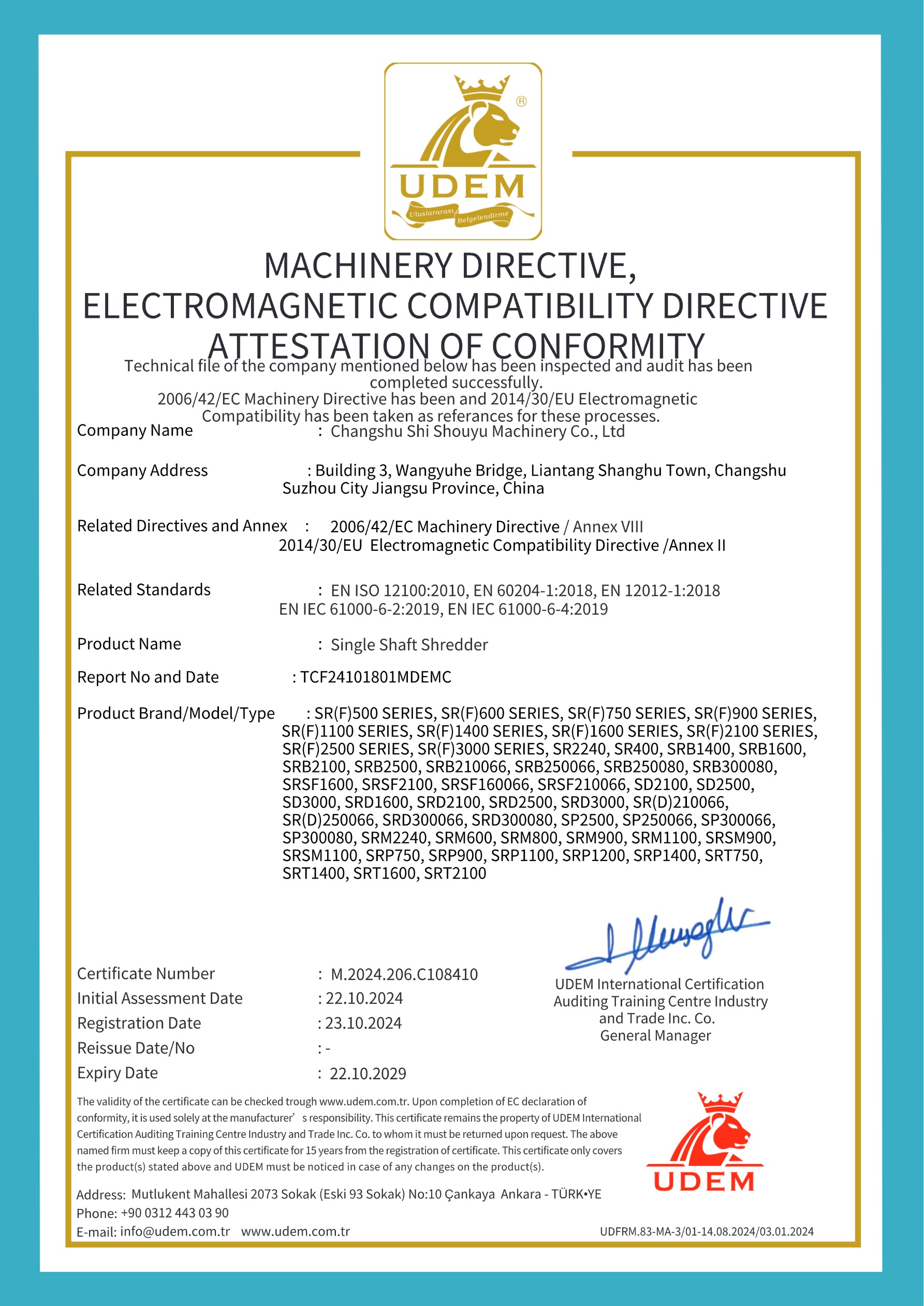
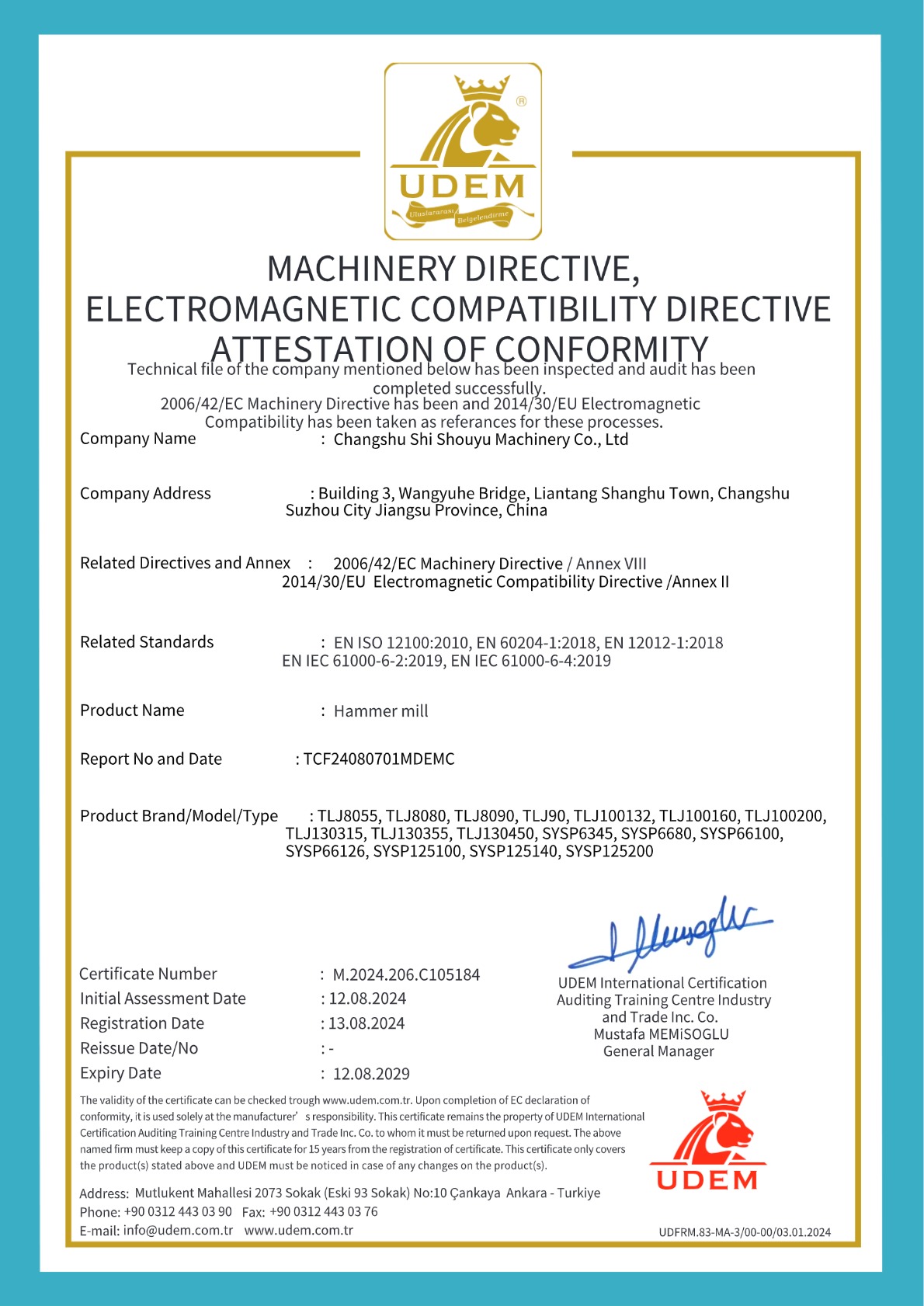
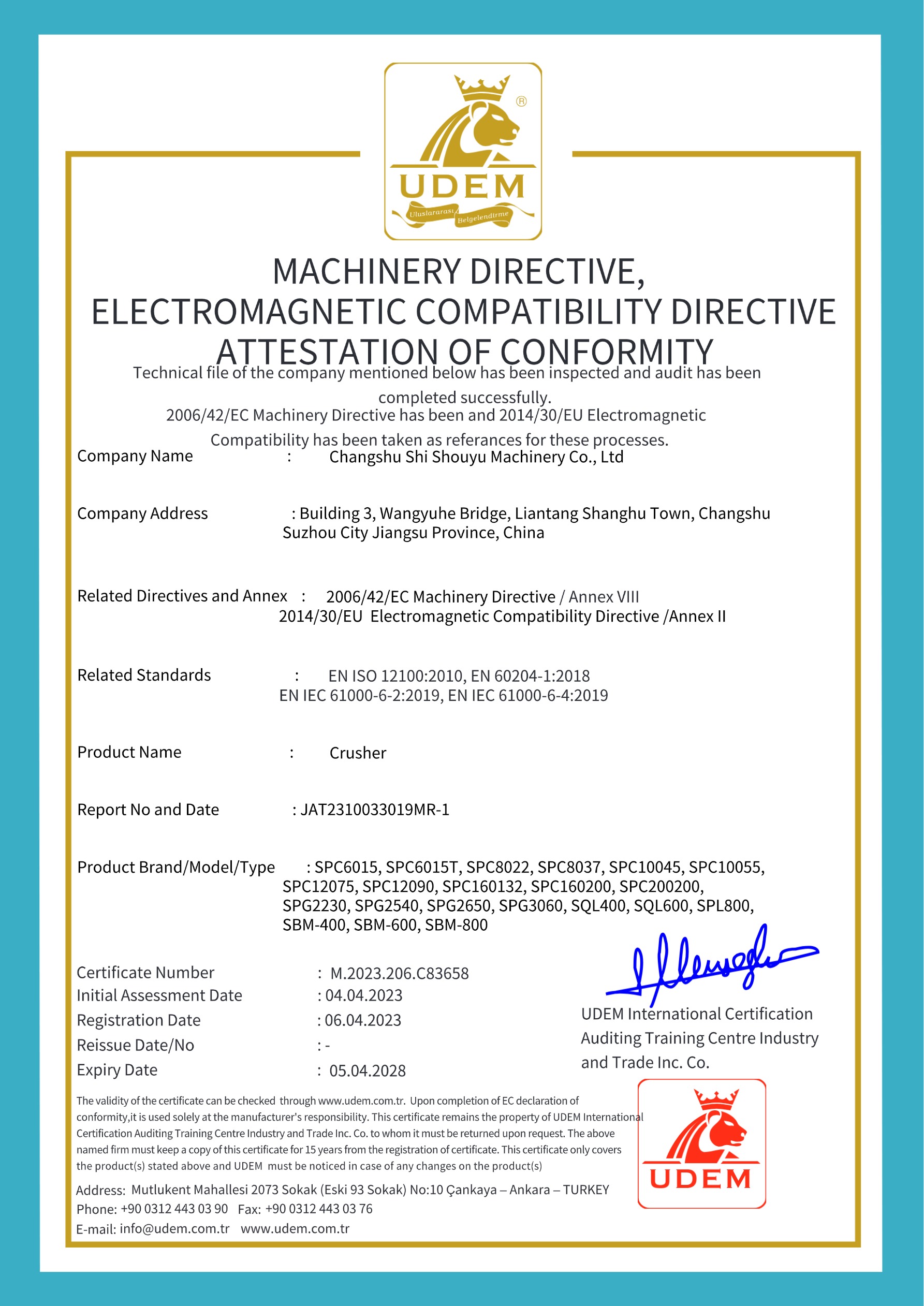
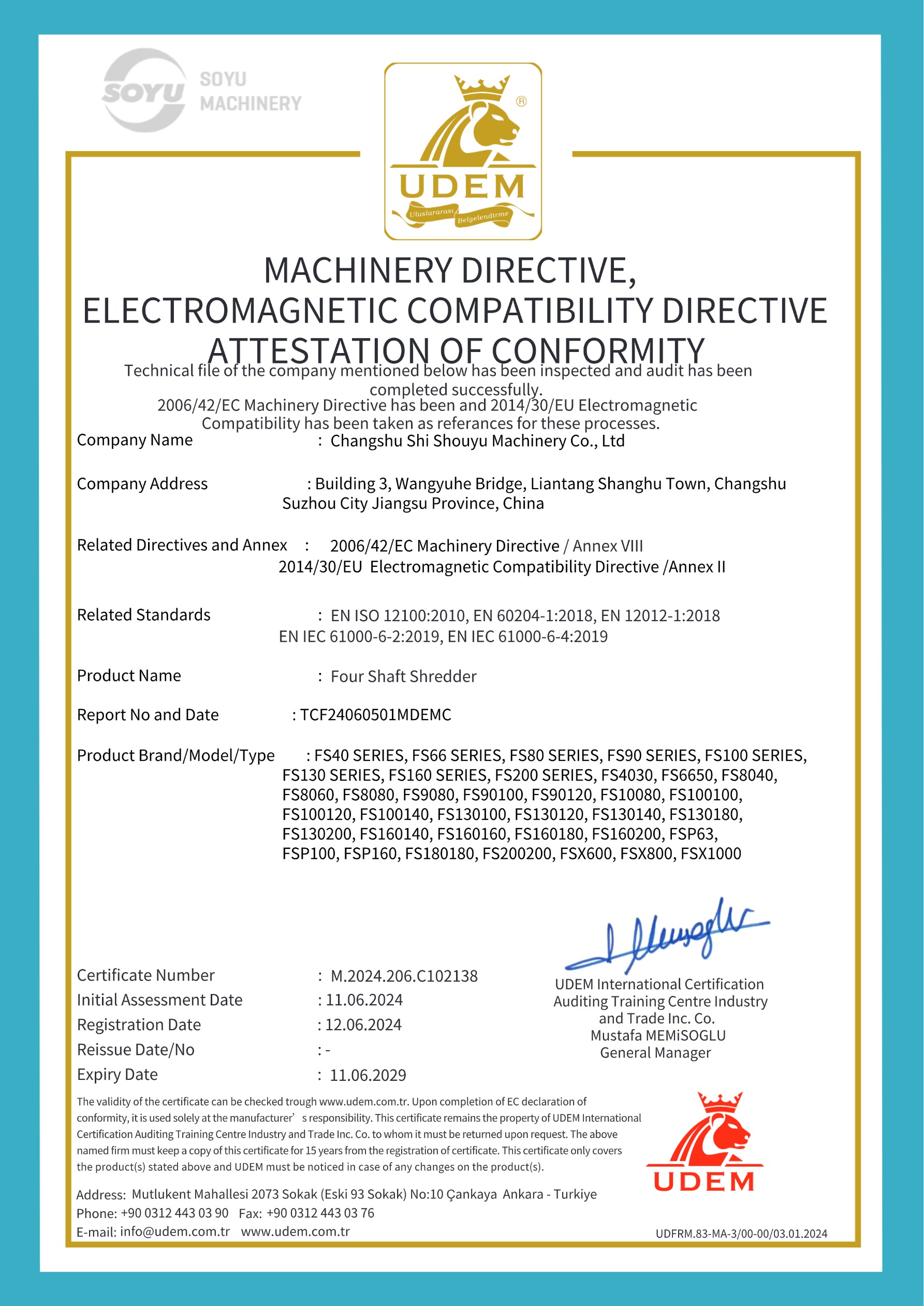
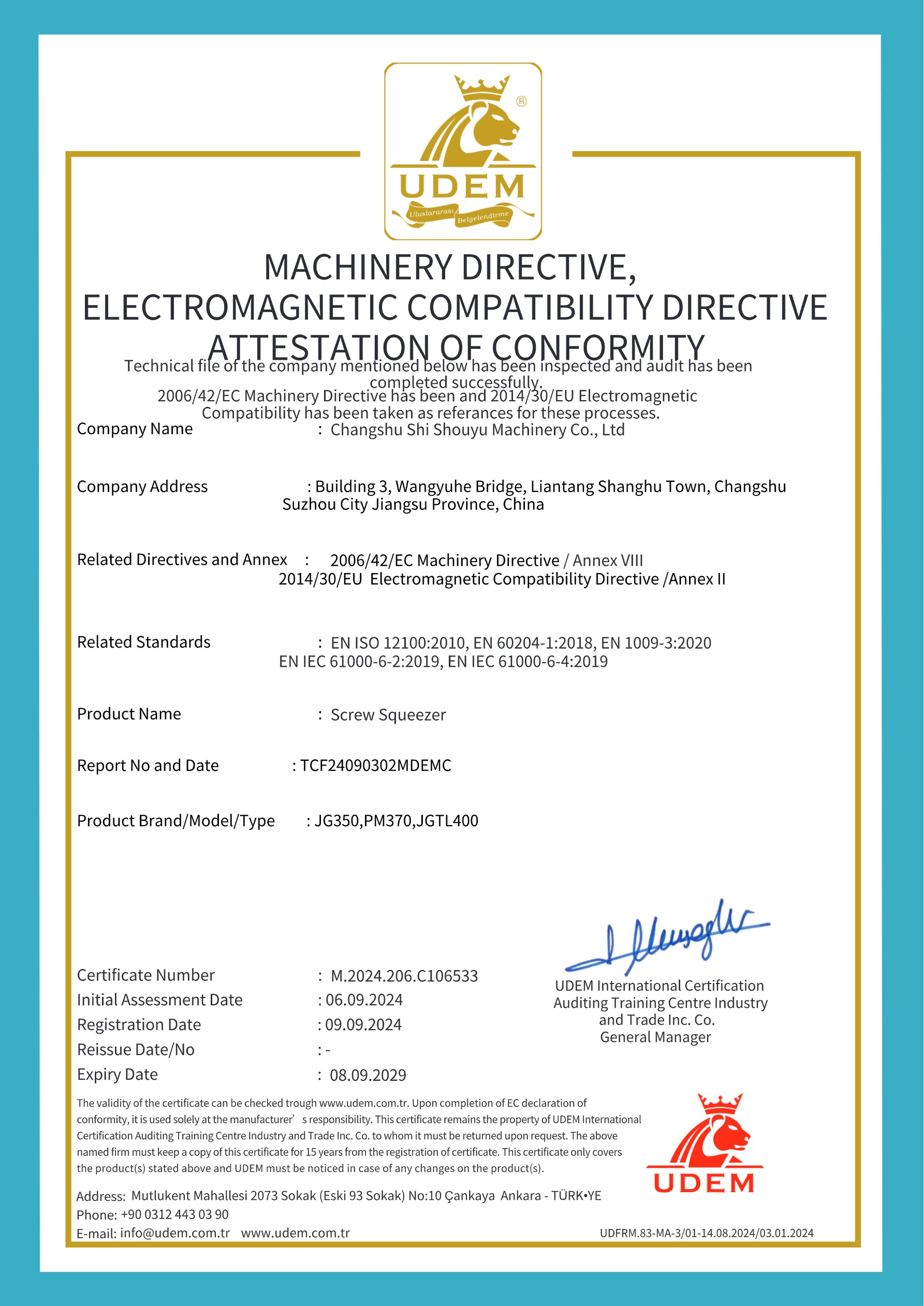
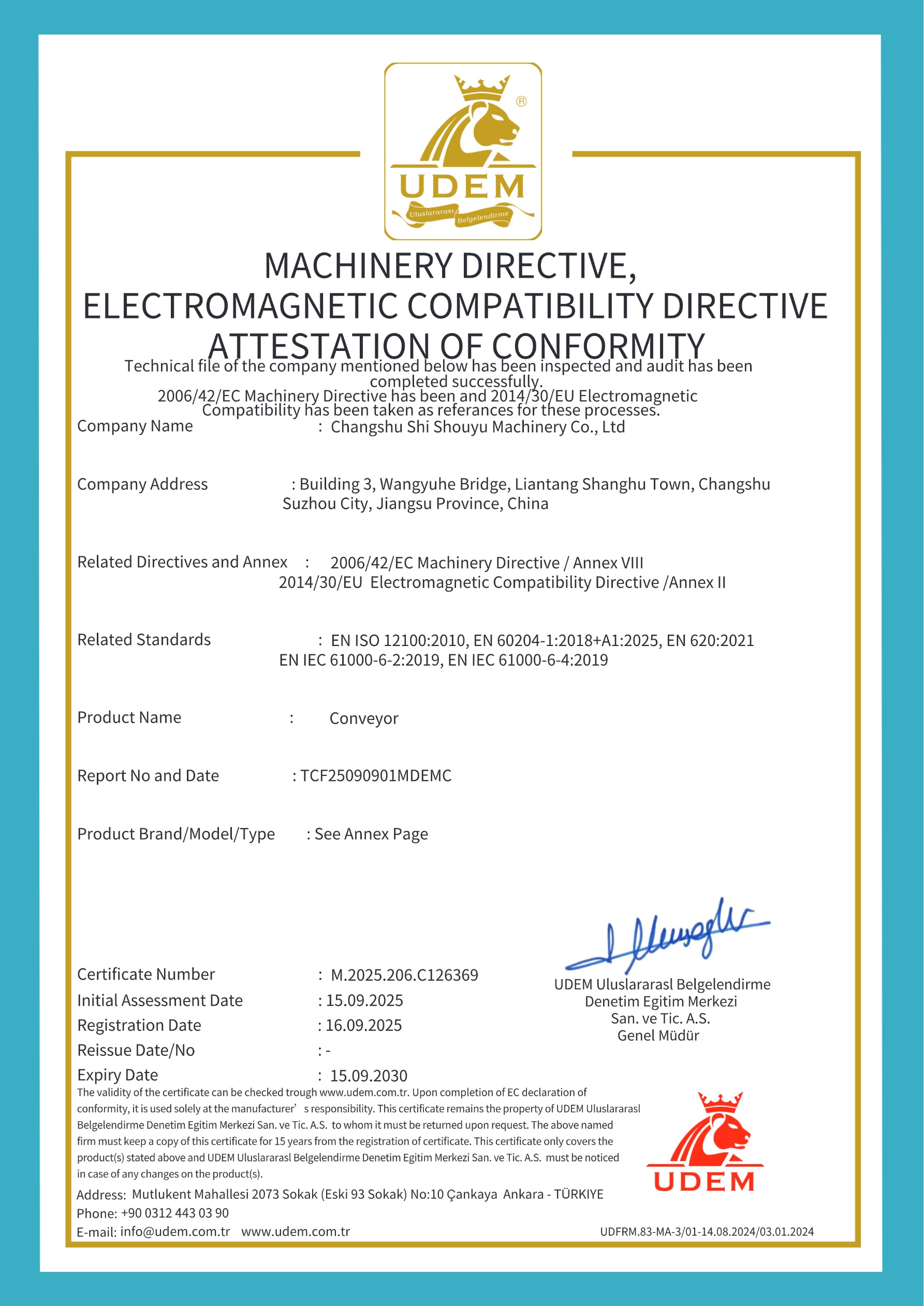
- CE compliance applies to our shredding and separation equipment range.
- The declaration and accompanying documentation need to correspond to the machine configuration supplied for the project.
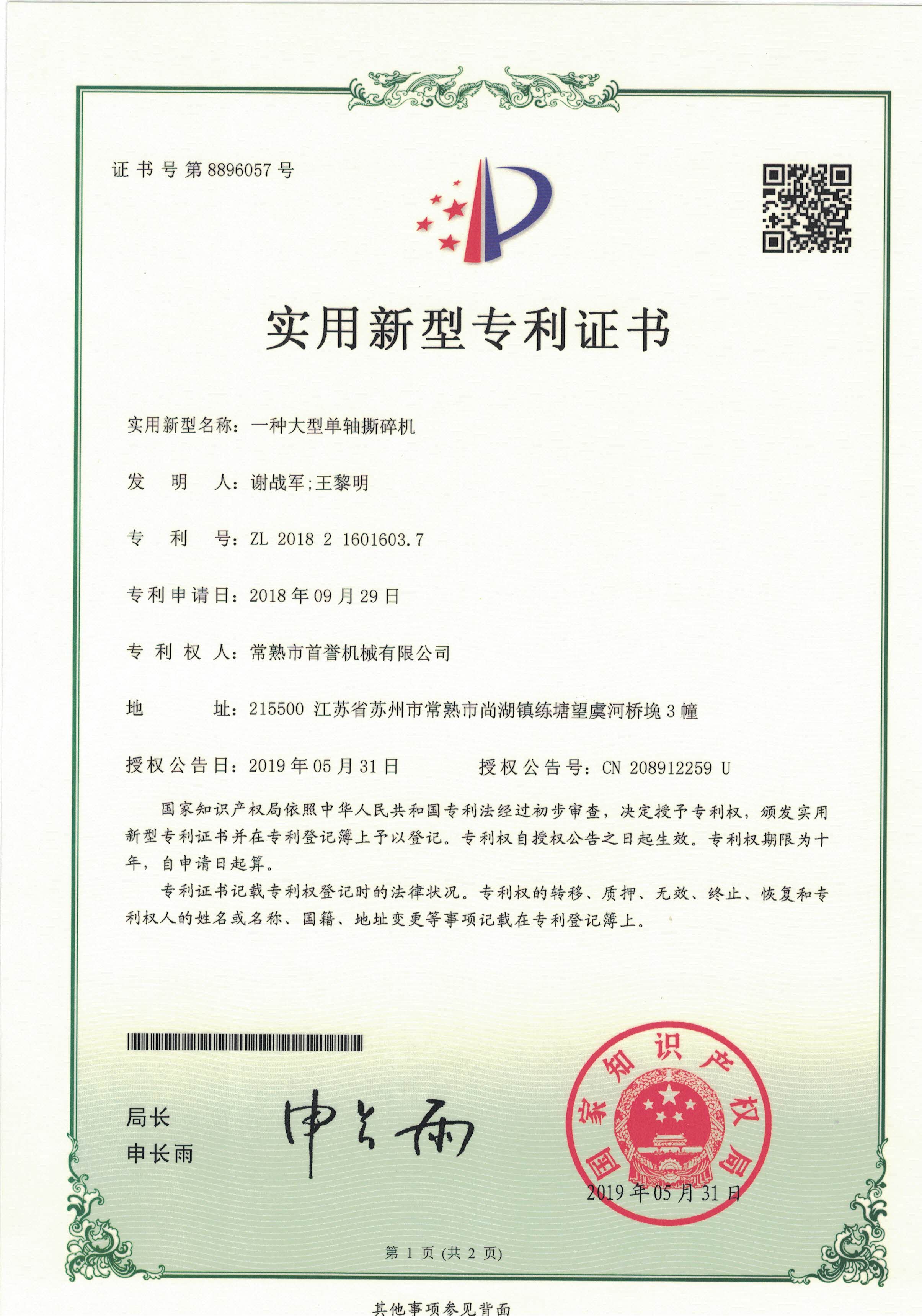
- More than 80 national patents have been granted for SOYU's core technologies. Patent coverage concerns particular technologies and does not replace machine-specific technical documentation.
- Destination requirements can affect the documents needed for installation and operation.
- The applicable requirements should be reviewed against the equipment configuration and the local installation.
- Site acceptance should check the installed guarding, access arrangements and safety functions against the machine documentation. Changes made while integrating surrounding equipment also need to be addressed within the complete line's safety arrangements.
Technical Support & Model Matching
Choose equipment matched to your operating requirements with technical support from SOYU. We review your material characteristics, target throughput, site conditions and environmental requirements to recommend suitable models and configurations. Our support covers installation, commissioning and operator training to help your team prepare for operation. Overseas customers can access remote technical assistance for troubleshooting, while maintenance and original spare parts support continue after delivery. Original spare parts remain available at cost after the warranty period ends.
FAQ
Which waste streams can the SRD range process?
Household waste, industrial solid waste, leather offcuts and textile scraps are core applications for this range. Suitability depends on the actual mixture, piece dimensions and difficult inclusions, so the operating configuration needs to match the material being processed.
Can rotational speed and torque-related operation be adapted to our material?
Adjustable rotational speed and torque overload protection are included in the range. We adapt operating parameters to the processing task, while the available speed range depends on the model. A required torque value or protection threshold needs to be agreed for the proposed configuration rather than inferred from motor power.
What support is available for installation and commissioning?
Professional technical assistance is available for installation and commissioning, along with operator training. Before scheduling the work, agree with us on the support arrangements, the responsibilities of your site team and any associated service charges.
Before delivery, review the installation requirements with our technical team so your contractors can prepare the electrical supply, machine role and unloading arrangements. Clarifying these responsibilities early helps avoid delays when the equipment arrives.
Commissioning provides an opportunity to check startup and shutdown procedures and observe the machine running with your intended feed material. Agree in advance on the trial conditions and acceptance checks so both teams understand what needs to be demonstrated before handover.
Operator training helps your staff become familiar with everyday operation. Discuss coverage of control functions, alarm recognition, emergency stopping and the situations that require the machine to be stopped and referred to qualified personnel; include the employees who will operate it across different shifts.
For handover, request the operating instructions and electrical documentation applicable to your supplied equipment, and agree on how commissioning settings and unresolved questions will be recorded. Keeping this information accessible gives operators and maintenance staff a shared reference after startup.
Remote technical assistance is available for troubleshooting overseas installations. When requesting help, provide the alarm message, a description of what happened and photos or video where safe to capture; electrical inspection or work inside the machine should be left to qualified personnel following the required isolation procedures.
Which features make cutter servicing and blockage removal easier?
The screen unit opens hydraulically to provide access for maintenance. A separate hydraulic maintenance flap gate allows foreign-object removal and access for cutter adjustment and servicing. These access points reduce the dismantling needed to reach the working area, while servicing must follow the machine's isolation procedure.