Product Overview
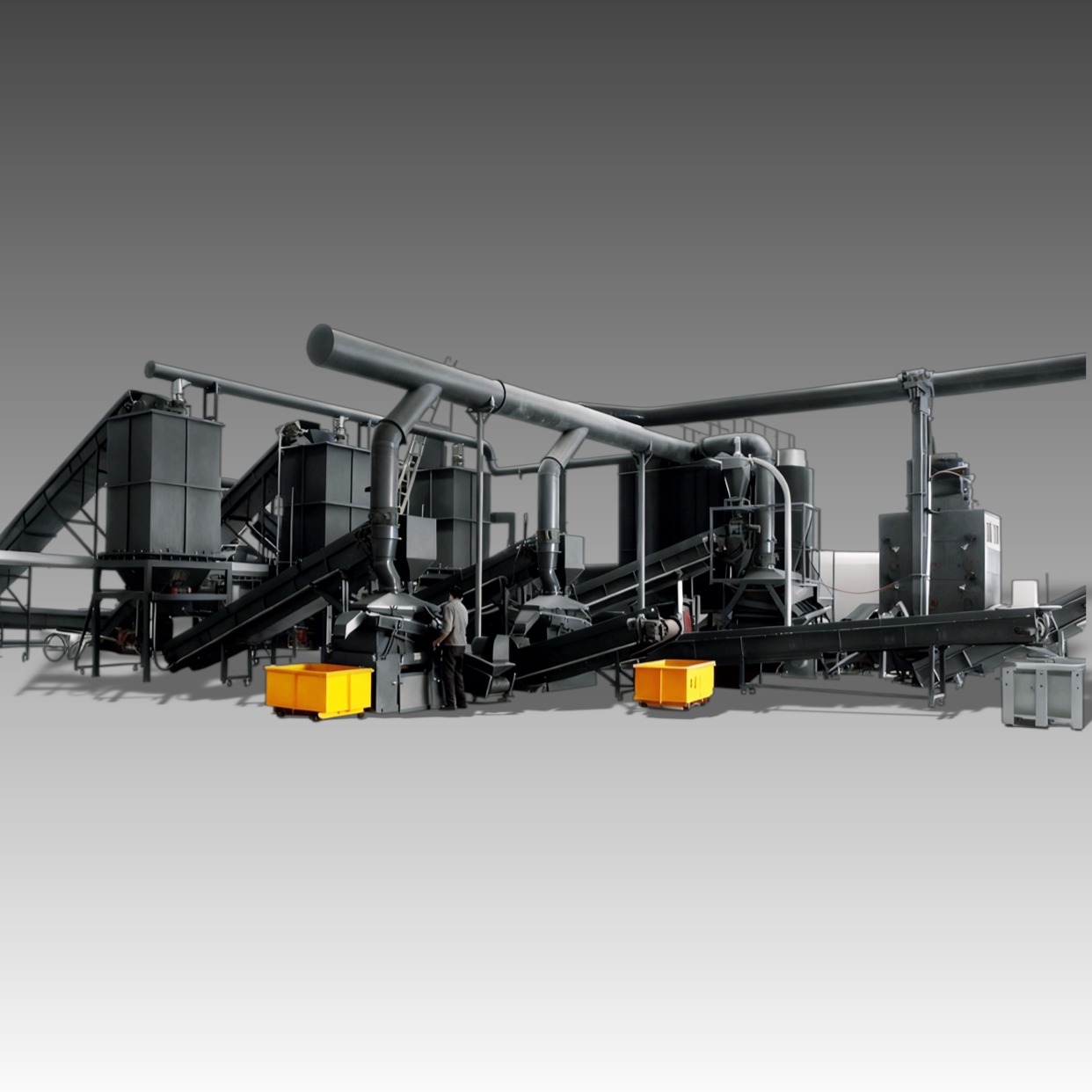
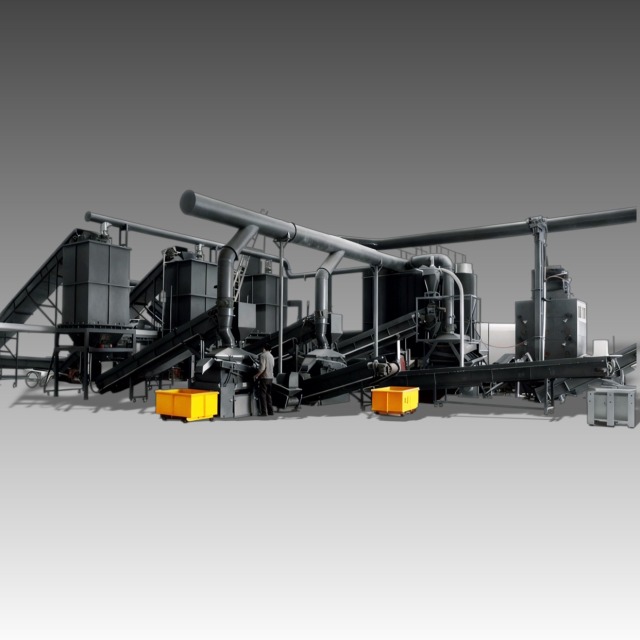
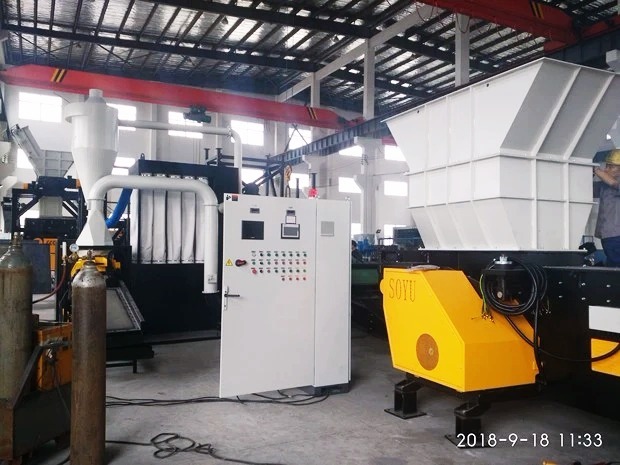
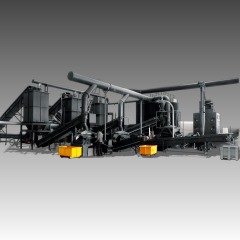
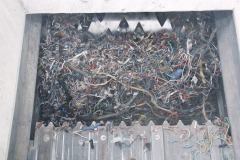
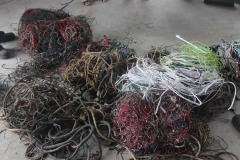
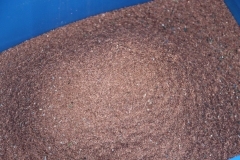
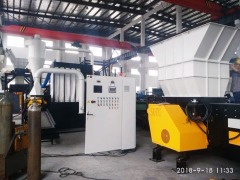
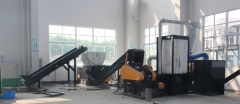
Scrap cable goes in at the feed hopper and comes out as two streams: copper granules and plastic, at a rated 200-1,000 kg/h depending on the cable mix. Four stages do the work — a first-pass shredder, a granulator, an air-flow gravity separator and an enclosed dust-removal unit — and together they make up one copper plastic separation machine built for continuous scrap cable recovery. It suits recyclers, cable processors and scrap dealers who want recovered copper metal rather than baled cable.
Key Advantages
- Plug-and-play deployment: the line is assembled and tested as a complete system at the works, so site work is role, power connection and a first production run rather than building a plant from loose components.
- One-charge feeding: the large-volume hopper holds a full load, so the operator fills it once and the shredder and granulator draw from a steady supply instead of being hand-fed piece by piece, which is where much of the line's cost-effectiveness comes from.
- Separation held steady by automation: the four stages run as one sequence, which keeps granulator feed and separator load consistent enough to protect the copper grade coming off the deck.
- Enclosed dust collection: dust is captured at the machine rather than escaping into the shed, which is what the line's zero-secondary-pollution design means in daily operation.
- One builder for all four stages: because we are a scrap cable recycling machine supplier with our own manufacturing base, the shredder, granulator, separator and dust unit are matched to each other instead of being assembled from unrelated machines.
- Configurable to your cable: screen size and separation settings are tailored to your material properties and target capacity rather than fixed at a single specification for every buyer.
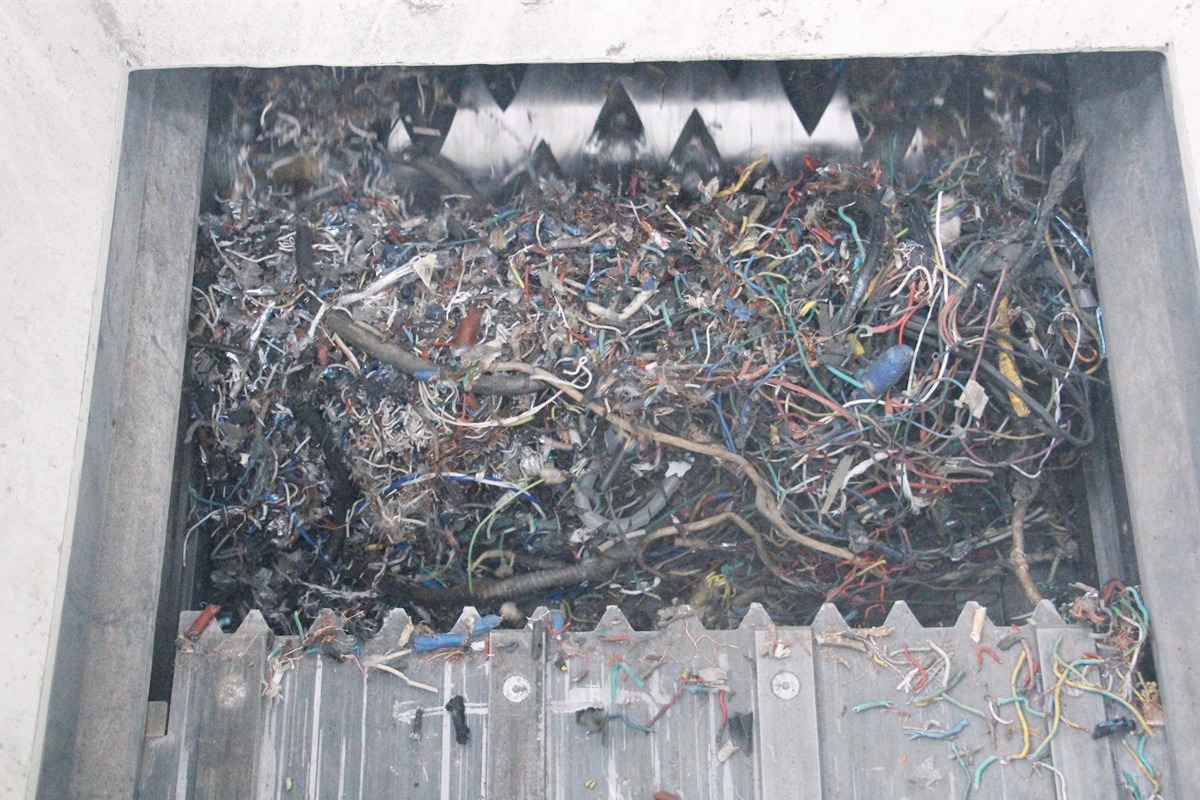
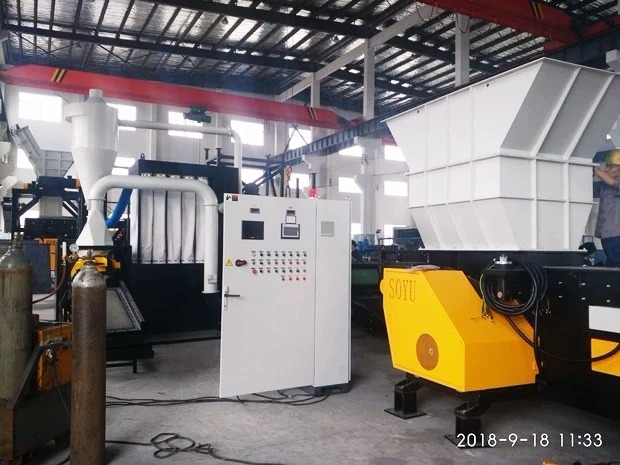
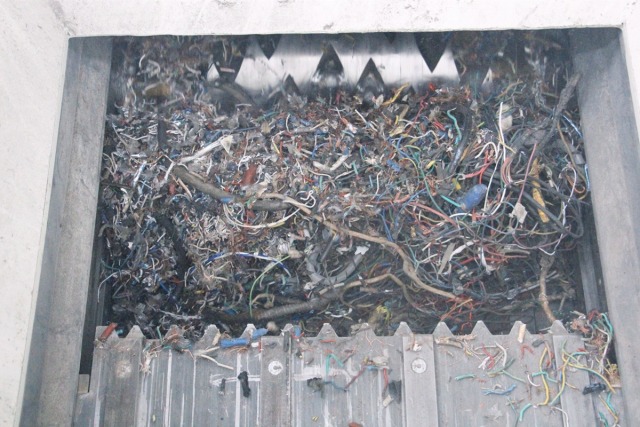
First-Stage Shredder
| Specification | Detail |
|---|
| Stage | First-pass size reduction |
| Function | Cuts scrap cable into short lengths for granulation |
| Power | 17.2 kW |
| Rotor blades | 24 |
| Stator blades | 4 |
| Screen mesh | Φ40 mm |
| Rotor speed | 83 rpm |
| Shaft diameter | Φ220 mm |
| Dimensions (L × W × H) | 1,585 × 1,100 × 1,800 mm |
| Voltage | Configurable to your site supply |
Cable Granulator
- Shearing rather than crushing: the granulator cuts and tears shredded cable until the copper core and its insulation separate, which is the step that makes density separation possible at all.
- 45 kW cutting chamber: a 45 kW motor drives the rotor at 526 rpm, a far higher speed than the first stage, because fine granulation needs cutting speed rather than raw torque.
- Blade set: 10 stator blades and 4 rotor blades form the cutting chamber, and they are the parts doing the work on the insulation.
- Φ12 mm screen: the mesh under the rotor sets granule size, and that size decides how cleanly the downstream copper plastic separation machine can split copper from plastic.
- Φ420 mm shaft: the rotor turns on a heavy shaft that holds alignment under continuous cutting load.
- Footprint: the unit measures 1,800 × 1,800 × 2,400 mm (L × W × H), and it stands as a separate section so the chamber can be reached for blade work.
Gravity Separator
Density, not colour or magnetism, is what splits the two outputs on this copper wire recycling machine. Granules leaving the granulator drop onto a 1,000 × 1,500 mm vibrating deck, where an air stream lifts the lighter plastic while the heavier copper settles and reports to a separate outlet. A 7.5 kW drive runs the deck and the whole unit occupies 2,100 × 1,200 × 1,700 mm. The separator is our own design rather than a bought-in unit, which is why its settings are documented against the rest of the line: air volume and vibration are the two adjustments that decide how clean the split is, and both are set against your cable mix during commissioning. Expect to revisit them when the mix changes, since a deck tuned on thin signal wire is not the same set-up as one running thick power cable.
Dust Removal System
- Where the dust comes from: shredding and granulating insulation releases fine plastic dust, and without extraction it settles over the plant and into the recovered copper.
- 8.6 kW extraction: a dedicated 8.6 kW unit pulls air from the shredding and granulating stages, so dust is captured where it is made rather than where it lands.
- Enclosed collection: the system is fully enclosed, which is what keeps the working area clear and backs up the line's zero-secondary-pollution design.
- Tall, narrow footprint: at 1,000 × 1,000 × 3,000 mm the unit needs headroom as well as floor area, so plan it into the building before the line arrives.
- Grade protection: fine plastic left in the copper lowers what the output is worth, so dust control is part of recovered-metal value rather than housekeeping.
- One point of housekeeping: collected dust concentrates in a single unit, which turns a daily sweep of the shed into a scheduled task on one component.
Capacity & Configuration
Where a job lands inside the rated capacity range depends far more on the feedstock than on the machine. Heavy power cable carries a lot of copper per metre and granulates quickly, while thin, mixed or dirty signal cable slows the same line down because there is more insulation to cut and less metal to recover. How clean the scrap arrives moves the number as well, since soil, water and mixed material all take capacity without adding recoverable copper. That is why we configure each line around material properties and target capacity instead of selling one fixed specification, matching screen size, deck settings and dust capacity to what you actually process. A scrap cable recycling machine supplier quoting from a headline number alone is guessing; send a sample of your cable and the achievable output can be checked against your own material before the configuration is fixed.
Professional Certification
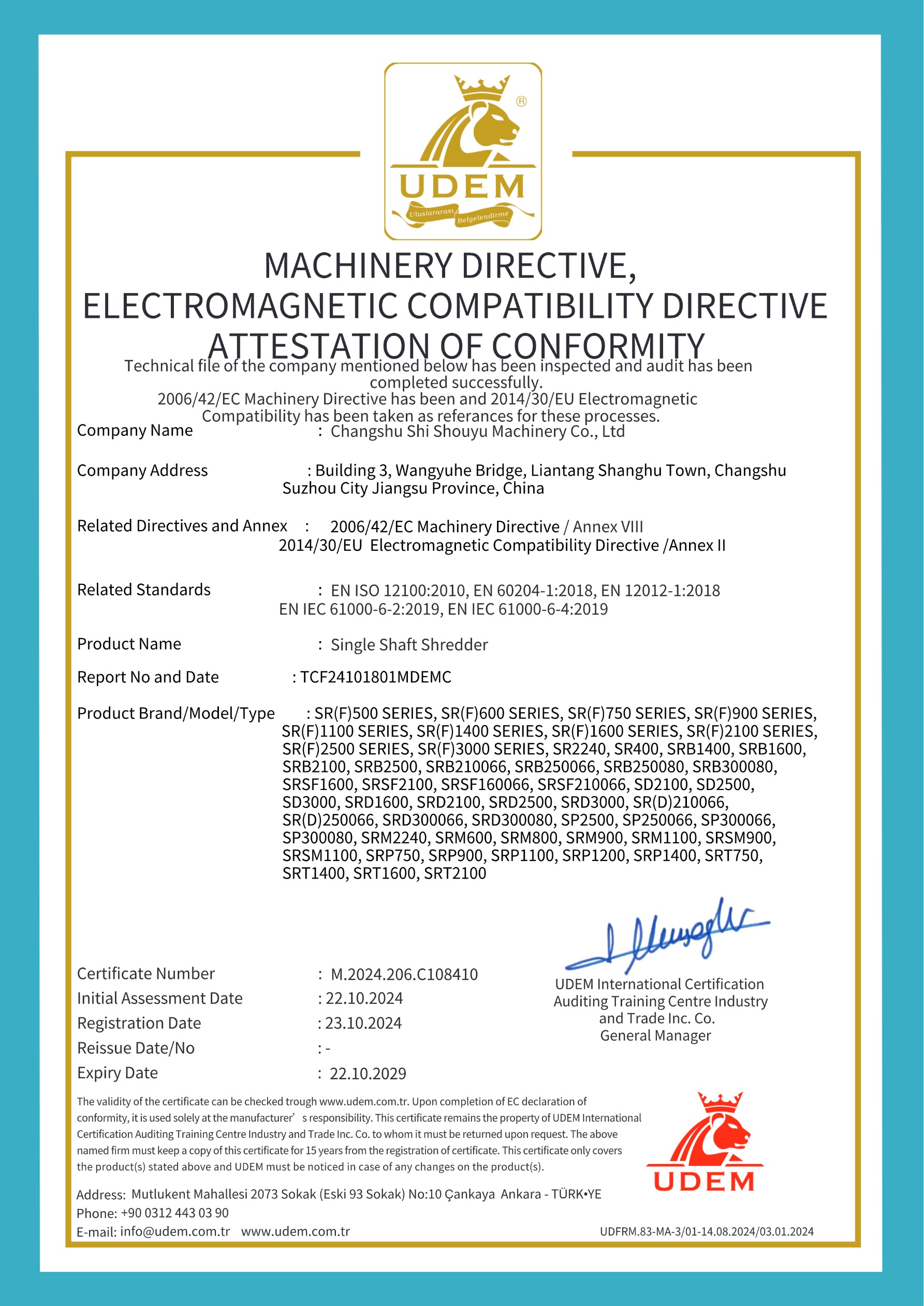
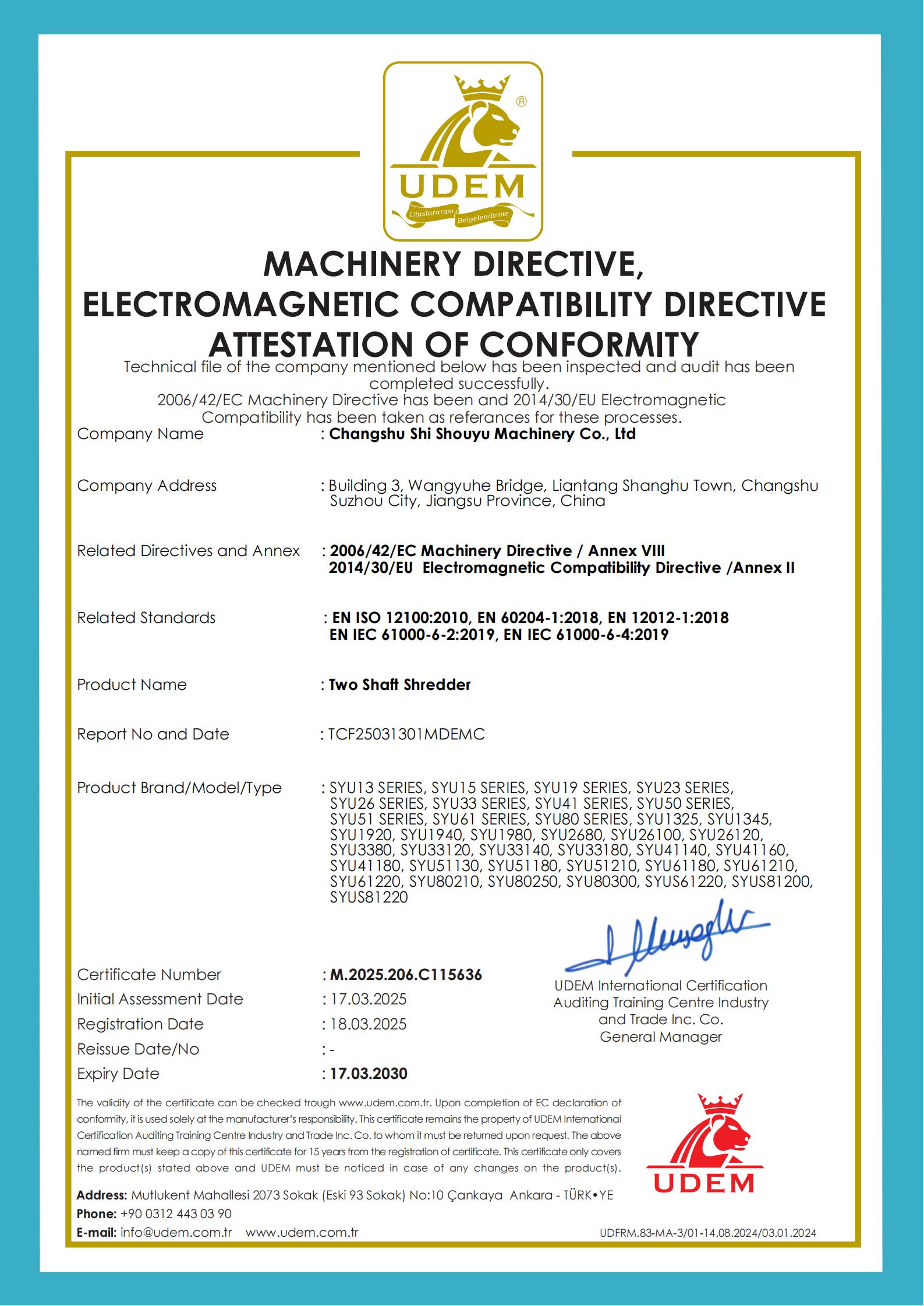
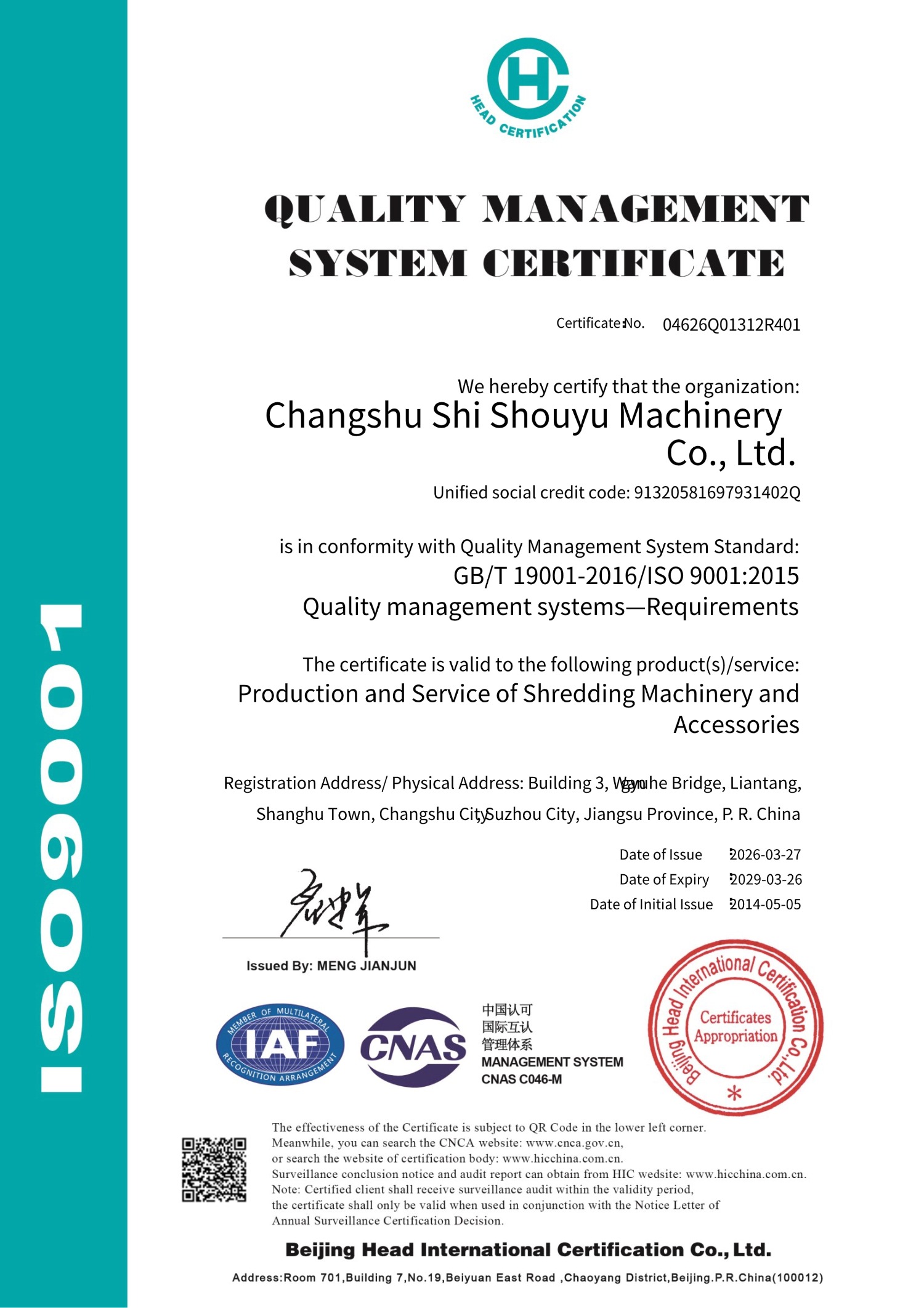
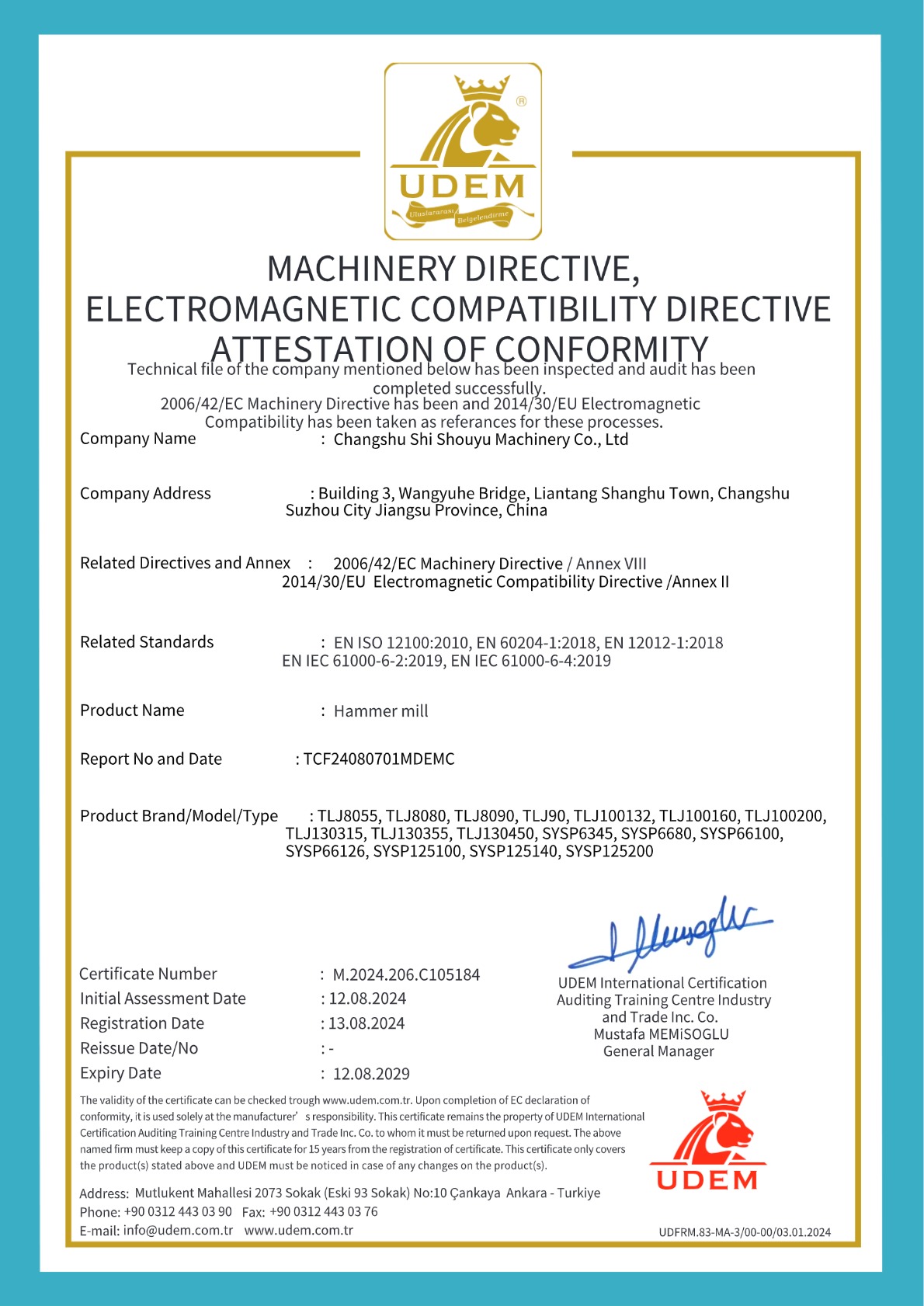
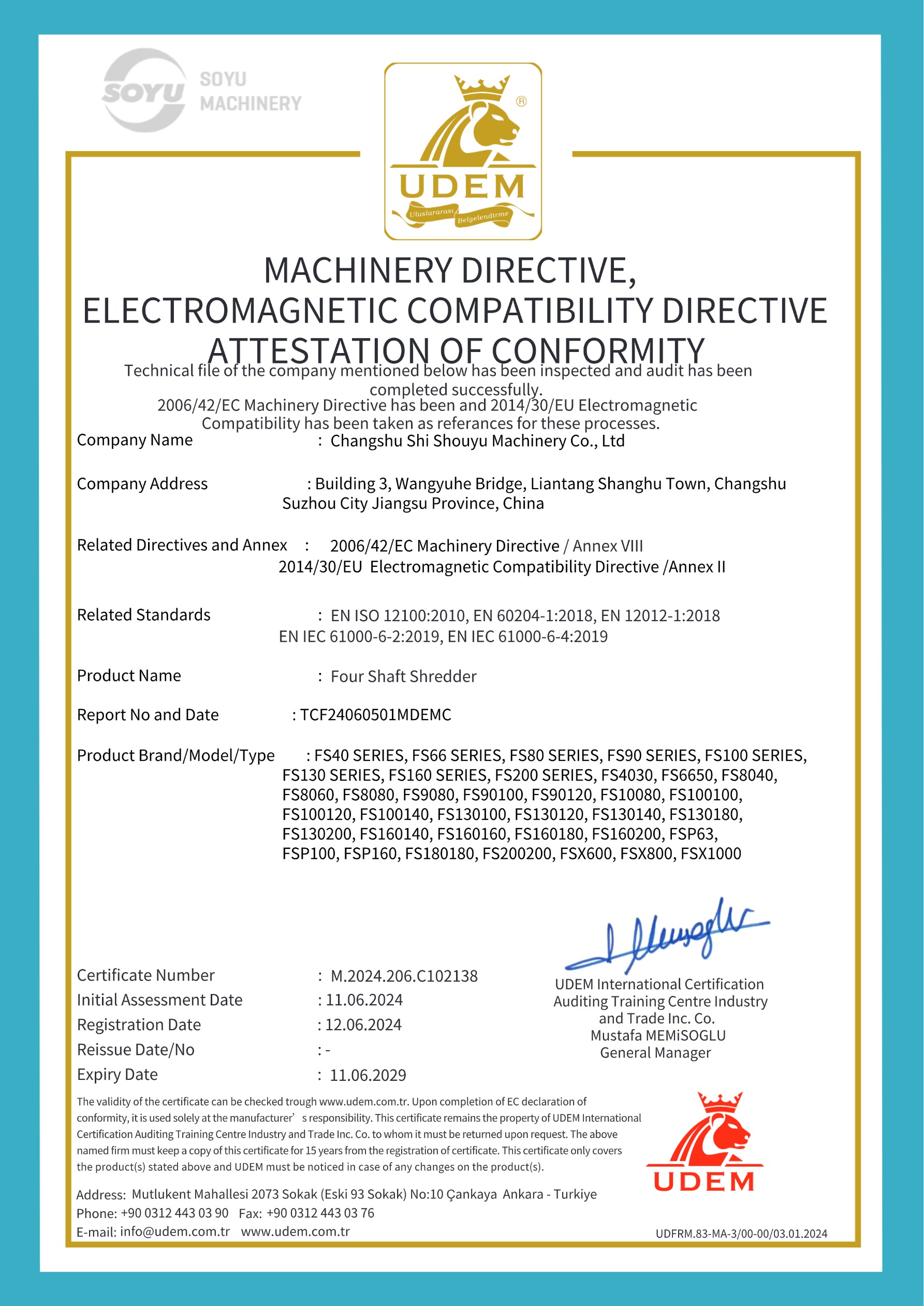
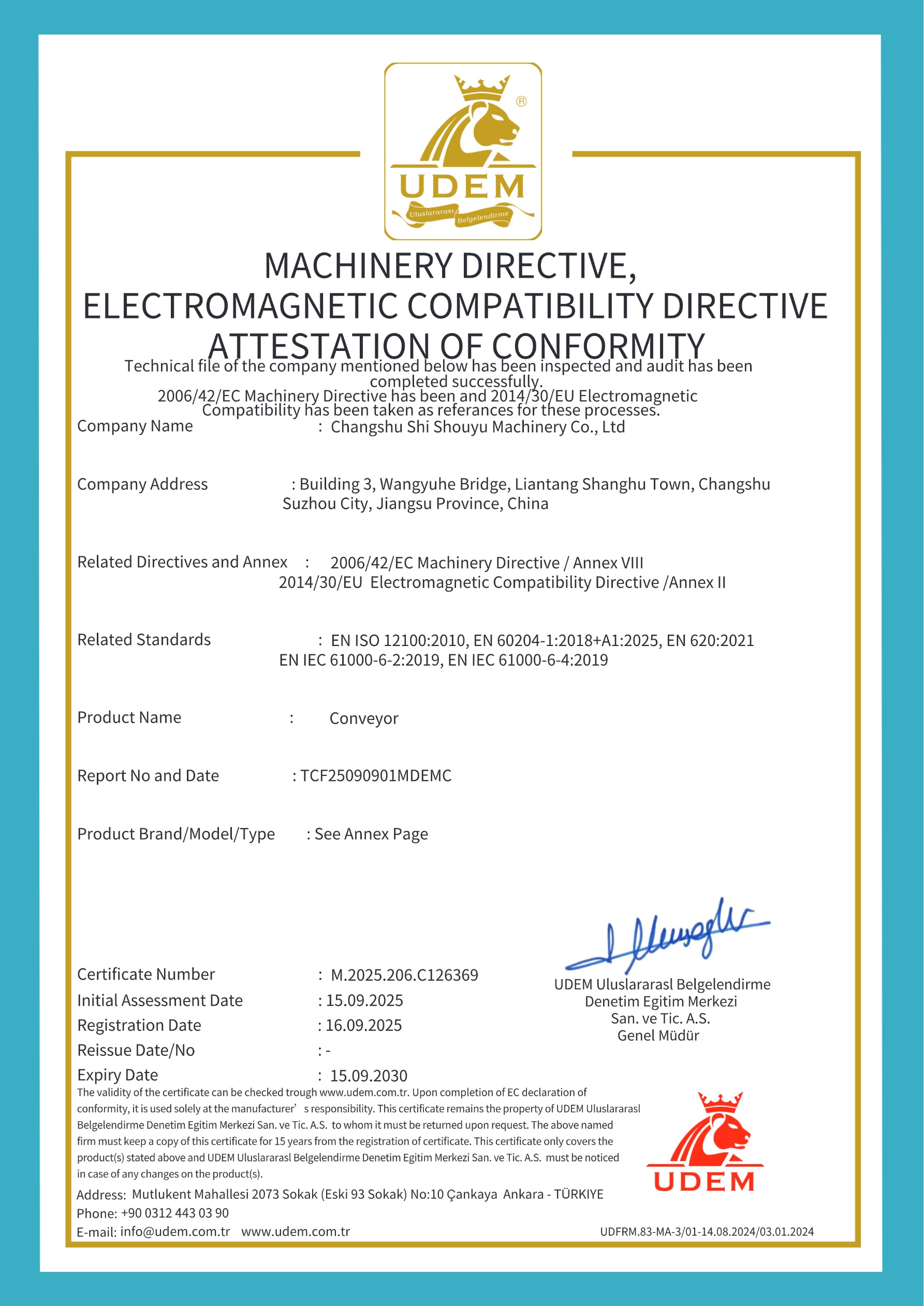
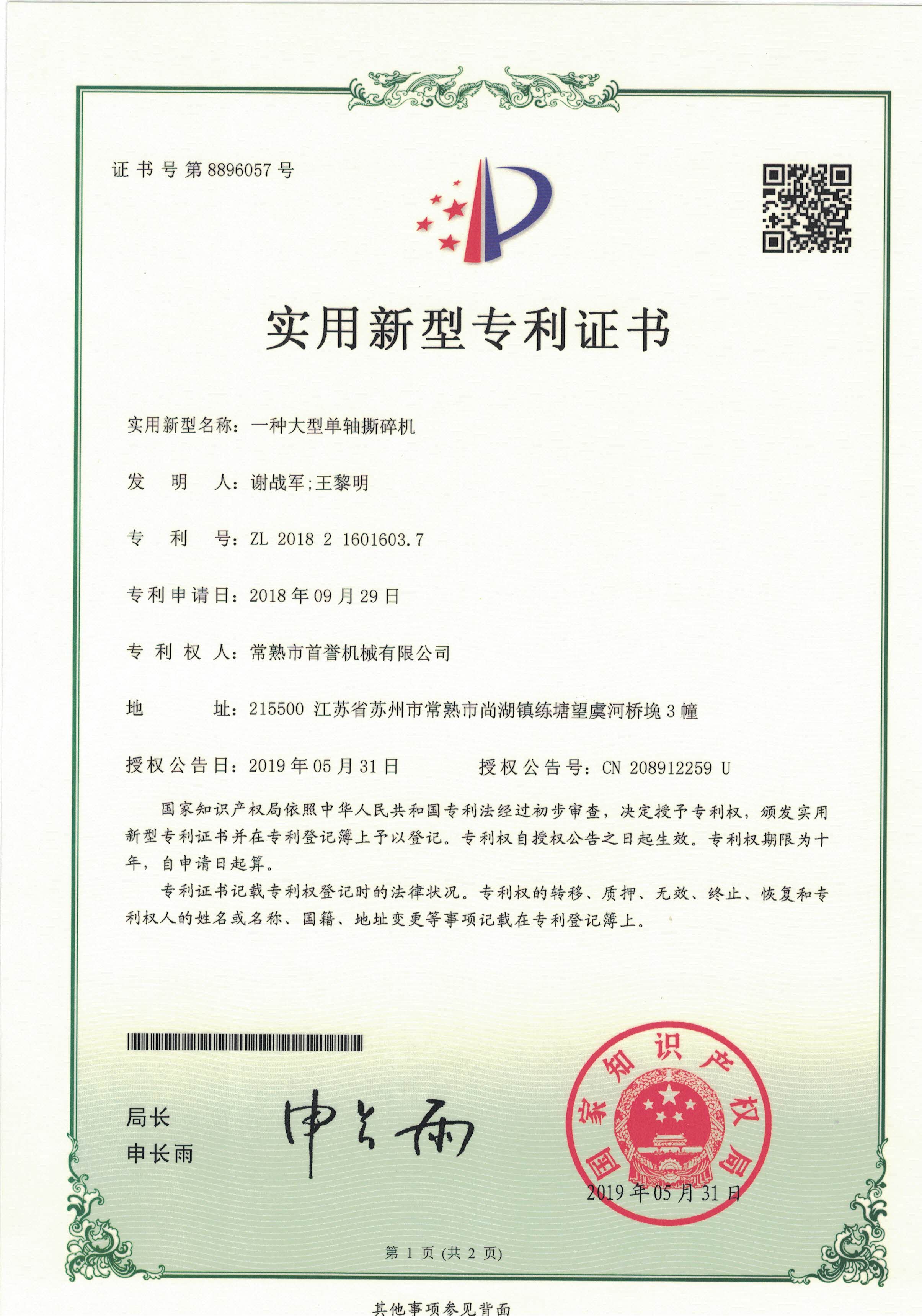
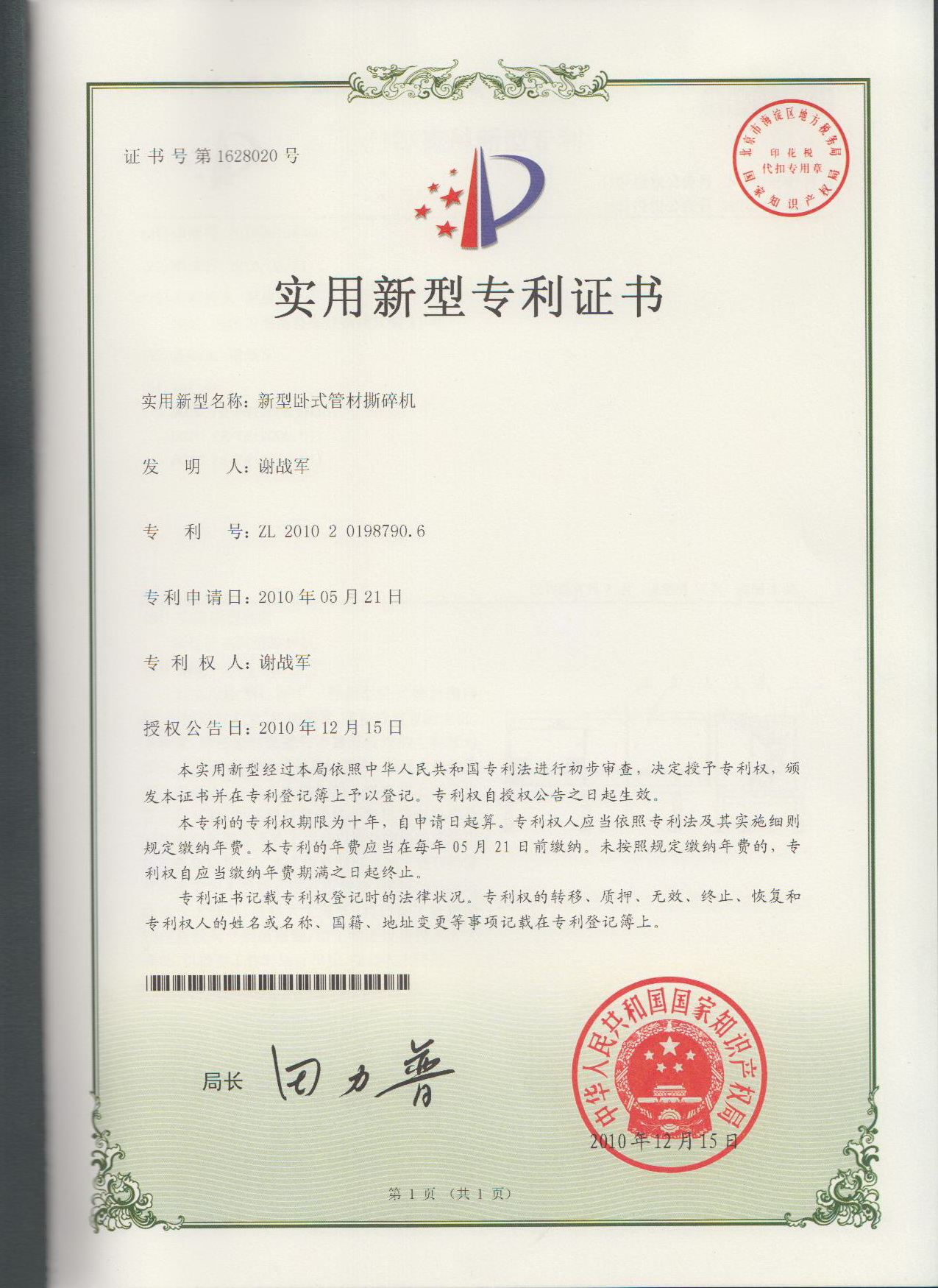
Part of the 3E Series platform, every line is built by a copper wire recycling machine manufacturer working under ISO 9001 certification, and the shredding and separation equipment is manufactured to comply with CE standards — the two documents most buyers are asked for at import or at project approval. More than 80 national patents are held for the core technologies behind the shredding and separation stages, which is our own record of development work rather than a passing claim. What that means at the loading dock is a documented quality system behind the build, with incoming material and assembly controlled under the same management system that covers the rest of the range, and paperwork that matches the configuration you ordered. If your project needs a specific declaration or inspection document, raise it while the order is being specified so it can be prepared alongside the build.
Ordering & Delivery
- Configuration agreed before build: the line is specified against your cable mix, target output and site voltage, and that agreed specification is what the build is checked against.
- Lead time and delivery terms: confirm the current schedule and terms before you book site works, because each line is built to order rather than pulled from stock.
- Spare parts after the warranty: original spare parts remain available at cost price once the warranty period has ended, so the line stays serviceable long after handover.
- Project quotation: pricing, payment schedule and shipping are quoted per project by the copper wire recycling machine manufacturer that builds the line, so the figures match the configuration rather than a catalogue list.
Video Walkthrough
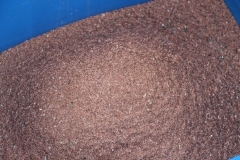
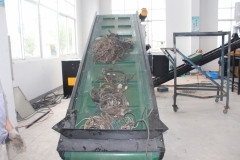
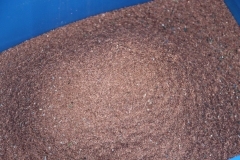
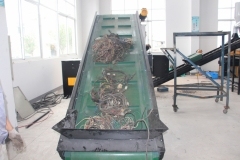
The walkthrough runs the line end to end: cable goes into the hopper, the first-stage shredder cuts it into short lengths, the granulator reduces those pieces until copper and insulation come apart, and the gravity separator splits the two by density while the dust unit draws air out of the enclosures. What the footage makes clear is how little hand-feeding the process needs — one operator charges the hopper and watches the two discharge points. The discharge end is the part worth studying closely: copper granules leave on one side and plastic on the other, and the granule size that decides how clean that split looks is set by the screen inside the granulator. If you are planning floor space, note that the four sections stand separately, so each one needs clearance for blade changes and screen swaps.
Technical Support & Model Matching
Choose equipment matched to your operating requirements with technical support from SOYU. We review your material characteristics, target throughput, site conditions and environmental requirements to recommend suitable models and configurations. Our support covers installation, commissioning and operator training to help your team prepare for operation. Overseas customers can access remote technical assistance for troubleshooting, while maintenance and original spare parts support continue after delivery. Original spare parts remain available at cost after the warranty period ends.
FAQ
What kinds of scrap cable can this copper wire recycling machine process?
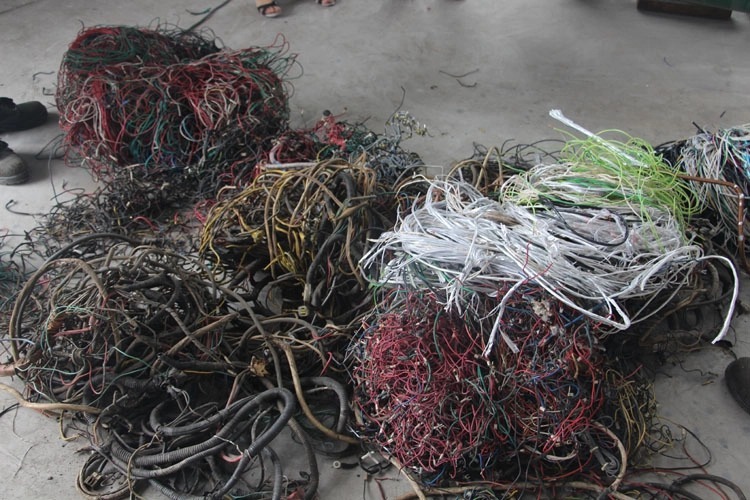
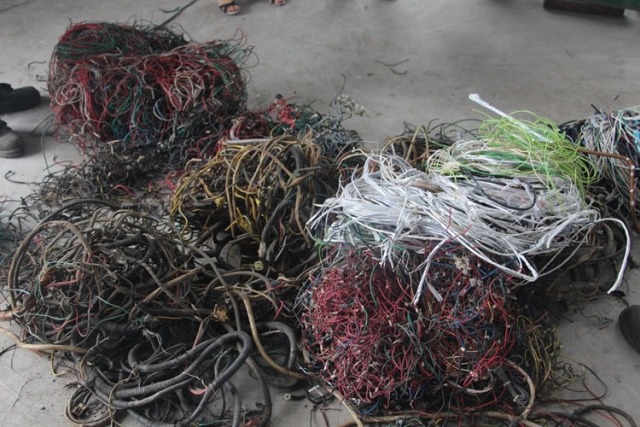
It handles all kinds of cable — single-core and multi-core, thin signal and communication wire through to heavier power cable — because the copper is freed by cutting rather than by stripping. PVC, rubber and cross-linked insulation all pass through the same shredding, granulation and separation stages, so you do not need a different line for each jacket type. The one thing worth flagging when you specify the machine is anything unusual in the mix, such as very fine wire or cable with a high plastic-to-metal ratio.
How does the copper plastic separation machine tell copper from plastic?
It sorts on density: after granulation the particles are close enough in size for an air stream and a vibrating deck to divide them, with the lighter plastic lifted away and the heavier copper settling to its own outlet. Nothing in the separation depends on colour, magnetism or manual picking. Air volume and deck vibration are tuned to your material, so a line set up for thin wire is not simply copied across to a thick power-cable job.
Can the electrical supply be matched to our site?
Voltage is configurable across the shredder, the granulator and the gravity separator, so the line can be built for the supply you actually have instead of requiring a transformer. Give us your site voltage, phase and frequency when the line is specified and the motors are matched to it. Everything downstream of the supply — feeding, granulation, separation and dust extraction — is unchanged, so operators are not learning a different machine because the site runs on a different grid.
Is the copper dry when it leaves the line, or is there a washing stage?
The copper comes off dry, because copper and plastic are divided in air on a vibrating deck rather than in a water bath. That removes the drying step before the granules can be weighed, bagged or sold, and it also removes effluent and sludge handling, which is the usual hidden cost of wet separation. If your incoming cable is wet or muddy, mention it at specification stage, since that affects how the first stage is set rather than how separation works.
What decides how clean the recovered copper is?
Three things decide it: how finely the granulator cuts, how the separation deck is set for your material, and how steadily the line is fed. Granulation frees the copper from the insulation, the deck divides the two by density, and a steady feed from the hopper keeps the deck working at a consistent load instead of in surges. Dust extraction adds the last margin, because plastic fines left in the copper are what pull a load's value down.