Product Overview
Used automotive oil filters contain tightly assembled components and oily residues that need treatment together. SOYU, an oil filter recycling machine manufacturer, brings the processing stages into a connected used oil filter recycling plant, taking collected filters through mechanical breakdown, cleaning and material recovery. The complete line serves recycling operators handling contaminated filters as a regular industrial waste stream. Equipment works as a coordinated process, helping operators move from incoming waste to separated materials with a clear treatment route for both the filter components and their contamination.
Crushing & Separation
- Intact filter assemblies enter through receiving hoppers that introduce the collected material to the processing equipment.
- Hopper loading needs to suit the incoming filter dimensions and the way material is handled at the site.
- Heavy-duty primary shredding opens bulky filters and breaks down their metal casings and internal components.
- This releases tightly enclosed material so the following stages can work on the contents as well as the outer shell.
- High-torque secondary crushing reduces the opened material into smaller, more uniform particles.
- Your oil filter crushing system supplier should match the crushing arrangement to the actual casing construction and the degree of liberation required downstream.
- Magnetic separation extracts ferrous material from the mixed crushed stream.
- Effective liberation helps the separator recover metal with less attached non-metallic material carried along with it.
- Gravity separation uses differences in material density to further separate the mixed fractions.
- Matching this stage to the incoming mixture helps keep lighter impurities apart from the heavier recovered material.
Technical Specifications
| Property | Specification |
|---|
| Processing capacity | 800–5,000 kg/h |
| Capacity basis | Incoming waste oil filters |
| Total installed power | 145–200 kW |
| Power-rating scope | Entire production line |
| Control system | Centralized line control |
| Technology platform | SOYU 3E Series |
| Operating duty | Continuous, heavy-duty processing |
Washing & Metal Quality
- Oil stains, residual lubricants and dust are removed by the oil filter washing system.
- Cleaning addresses contamination remaining on the liberated material after mechanical processing.
- Recovered metal can reach up to 99% purity.
- Treat this as an upper value for the metal fraction; the achievable result depends on the feedstock, contamination and agreed operating conditions.
- Purity measures the cleanliness of the recovered fraction, while recovery yield measures how much of the incoming metal is captured.
- A purity figure alone does not establish the proportion of metal recovered from each batch.
- Downstream metal users may set separate limits for attached non-metallic material, surface oil and moisture.
- Their acceptance requirements should guide how the cleaned output is assessed before it enters the next process.
- Representative output checks should use an agreed sampling method across normal production conditions.
- Comparing the recovered fraction with the intended receiving process gives a more useful result than judging cleanliness from appearance alone.
Installation & Maintenance
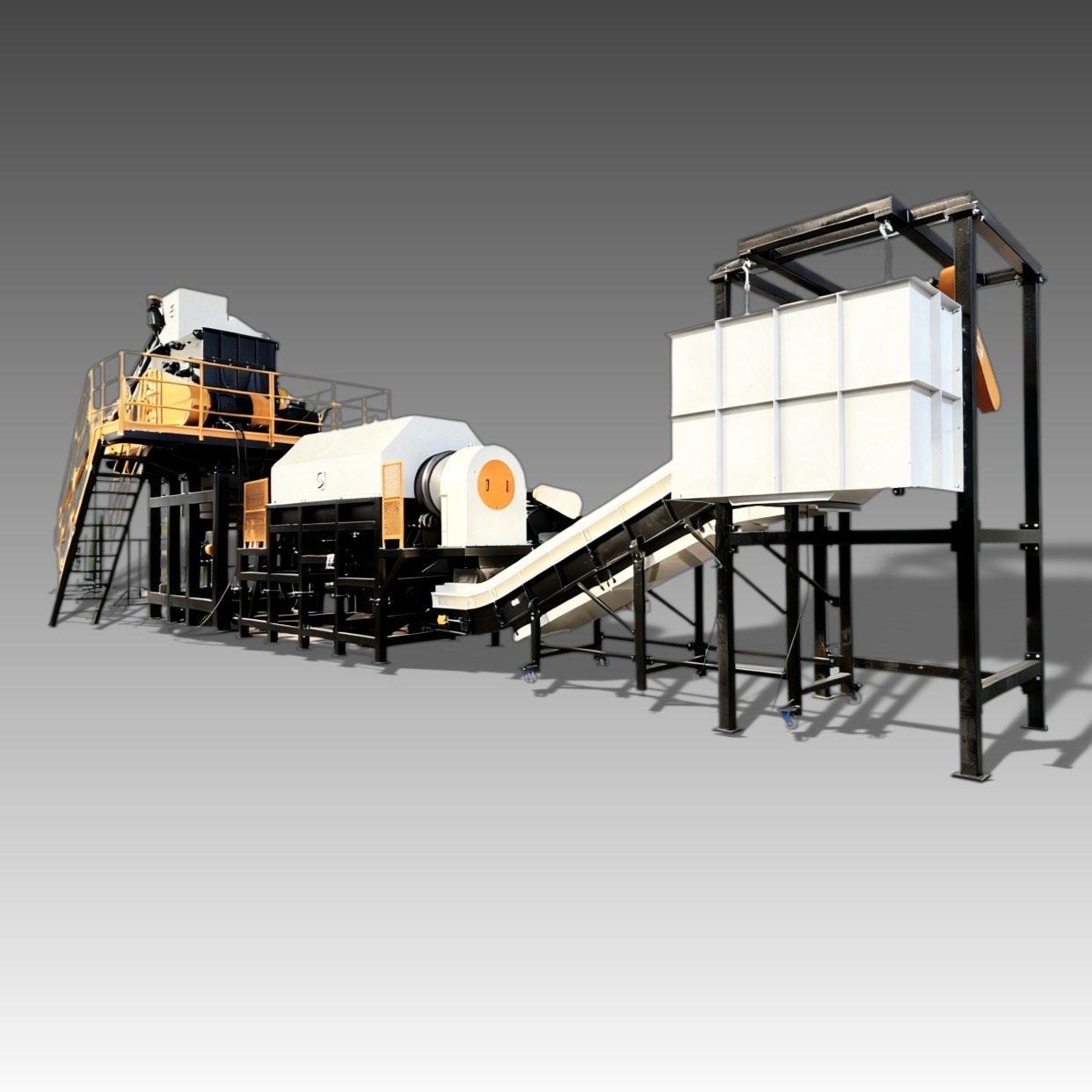
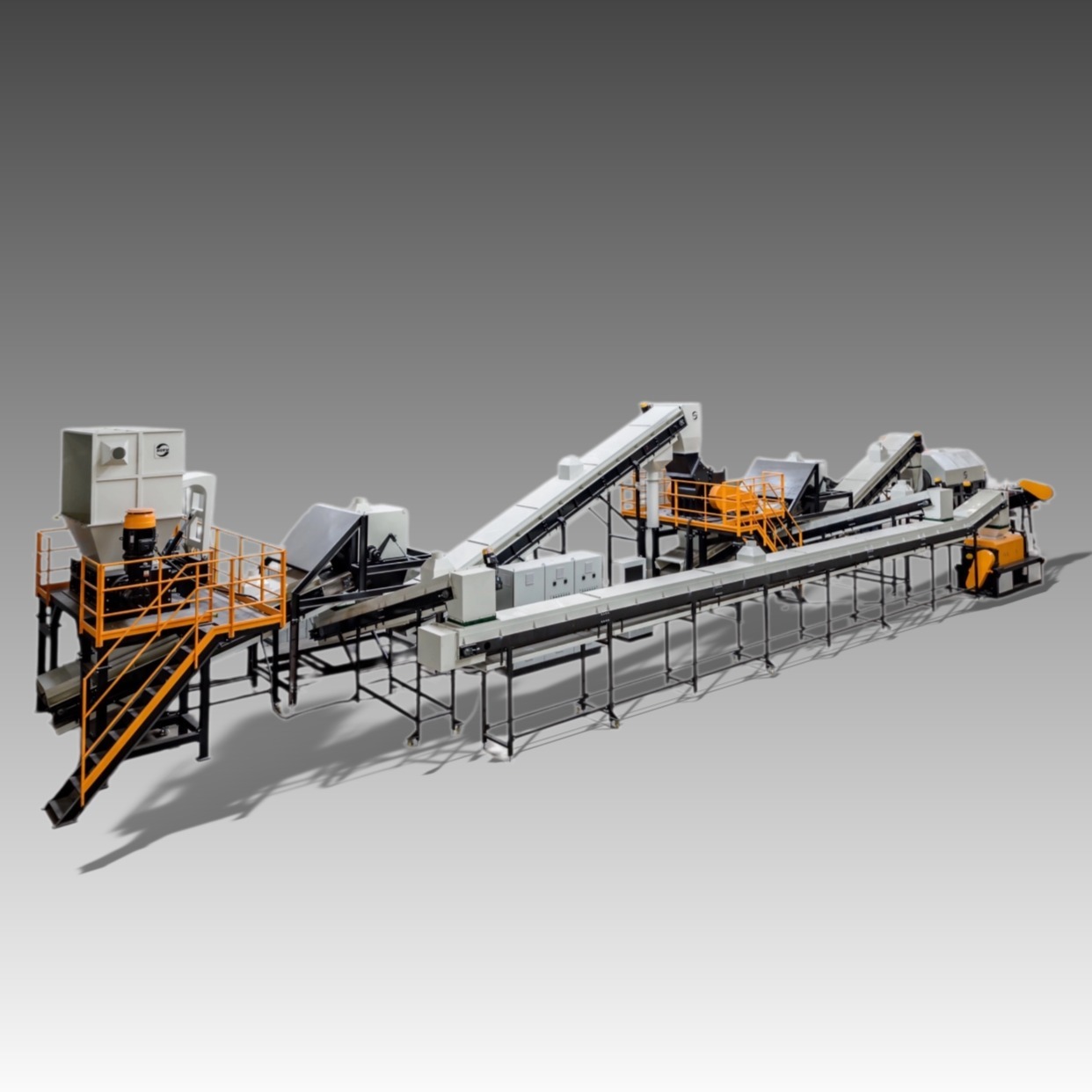
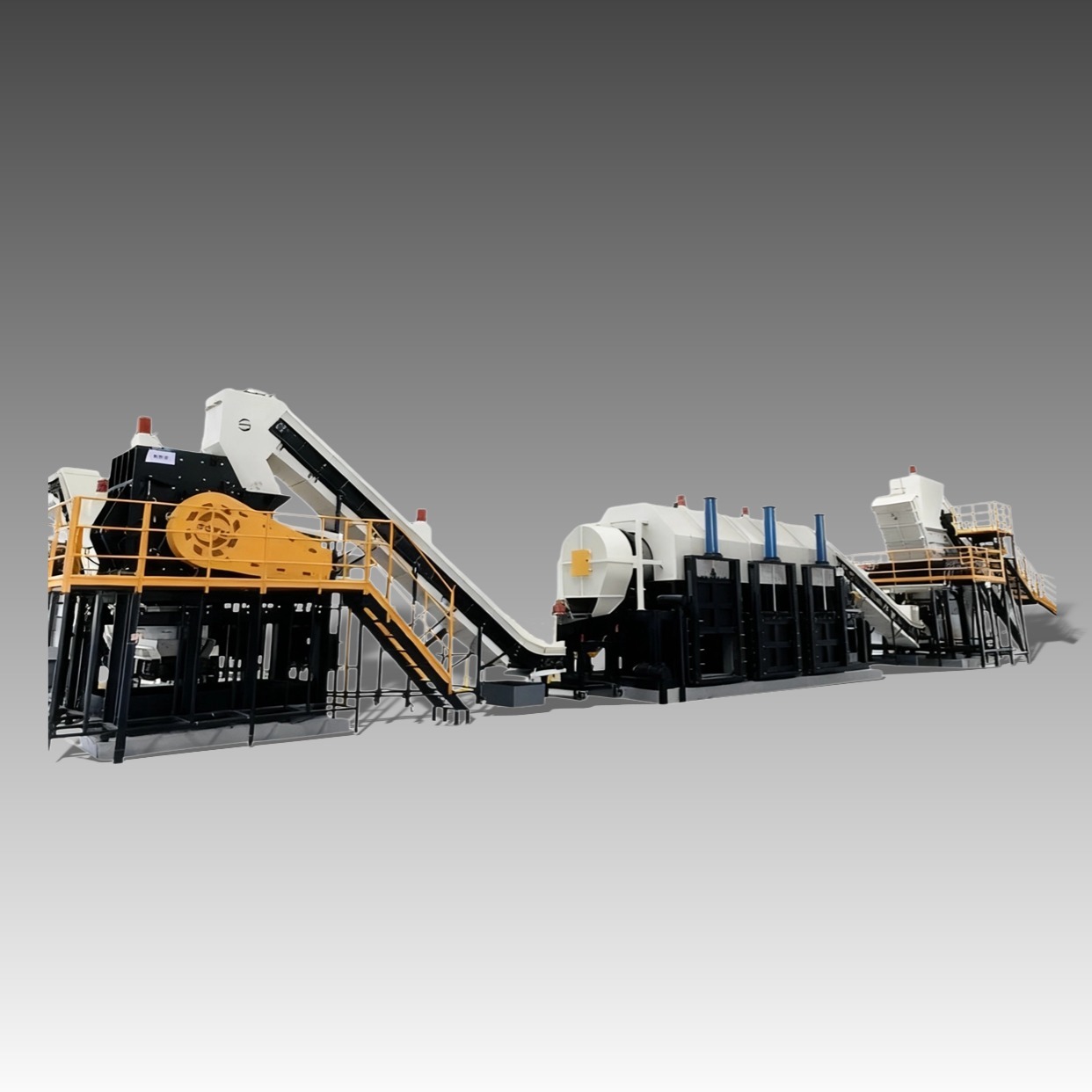
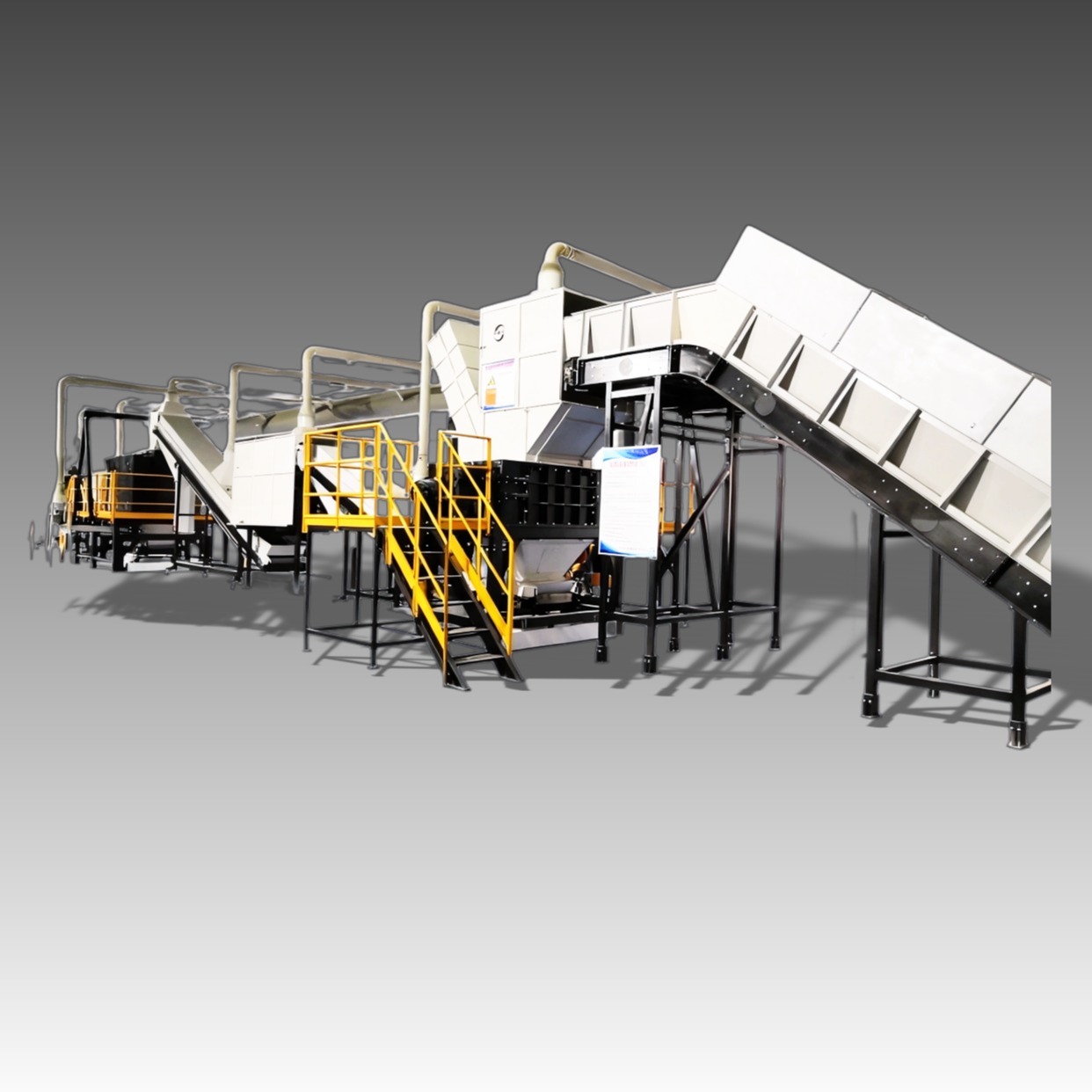
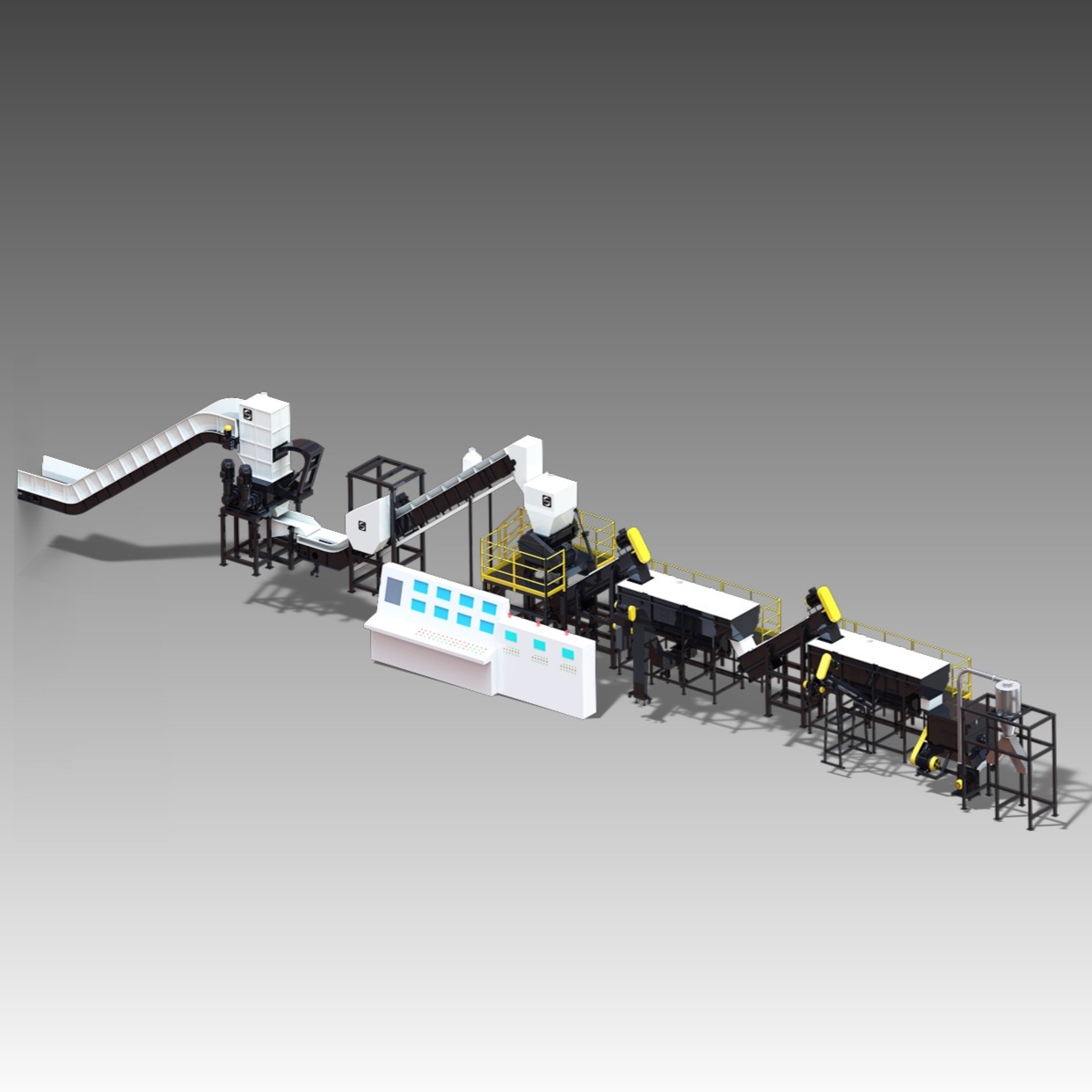
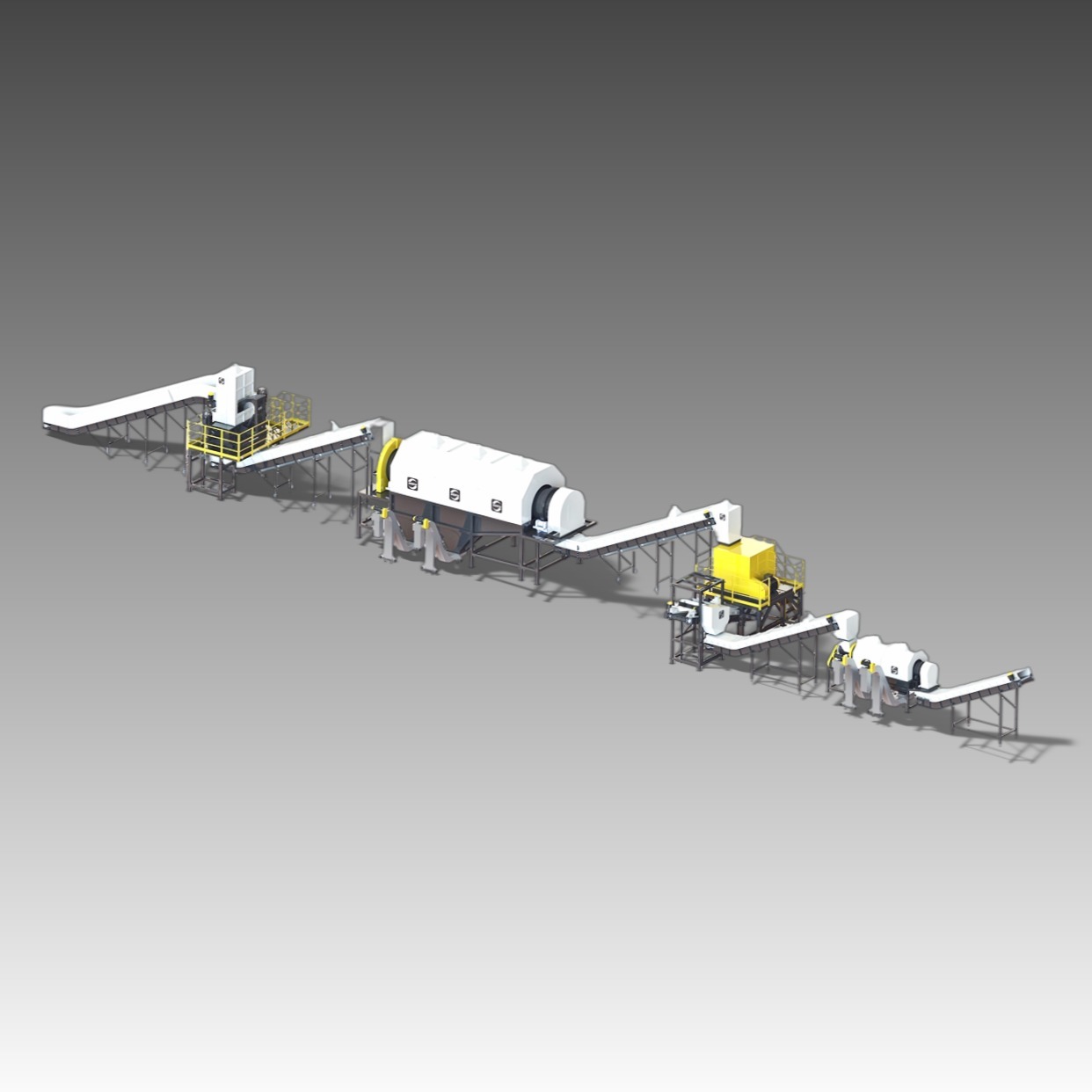
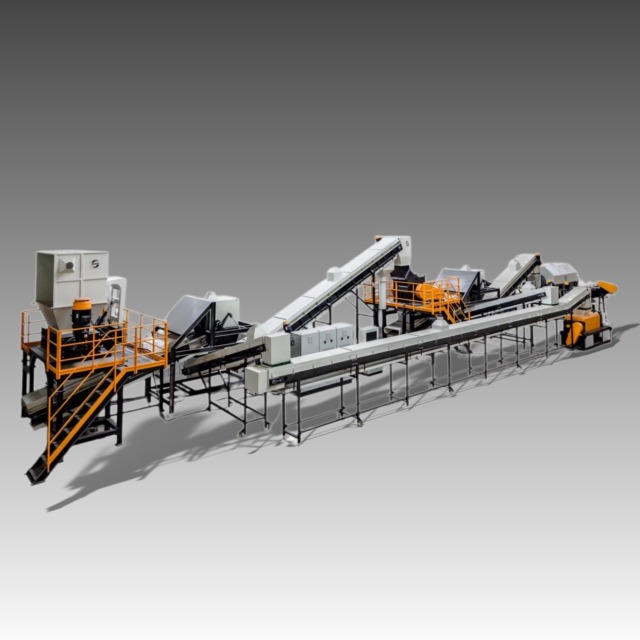
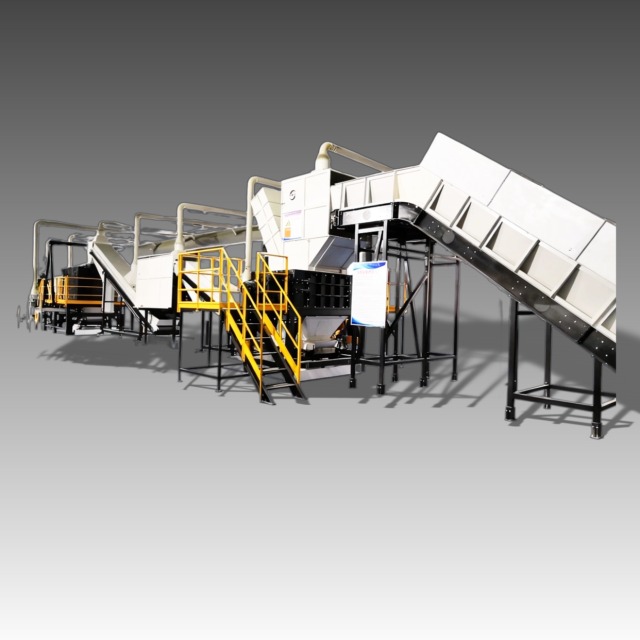
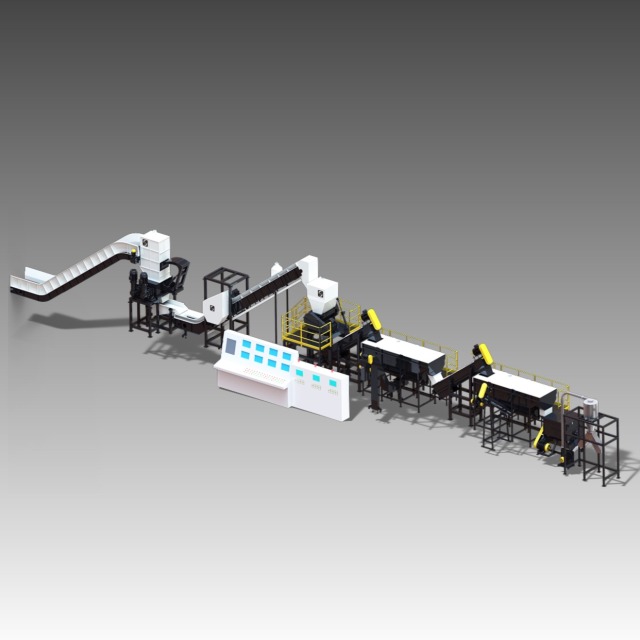
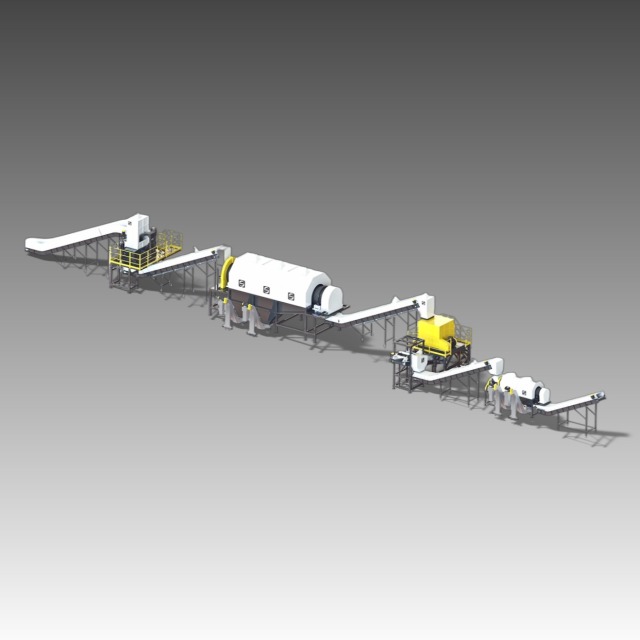
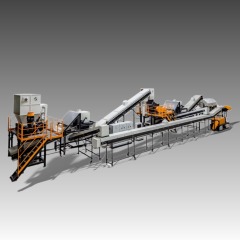
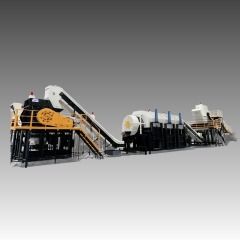
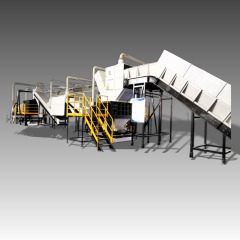
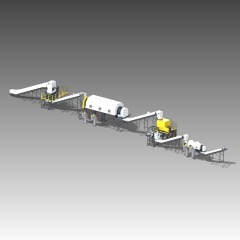
- Inclined belt conveyors connect the processing equipment in the illustrated layouts.
- Establish their transfer heights, discharge positions and relationship to existing workshop traffic before fixing the arrangement of the used oil filter recycling plant.
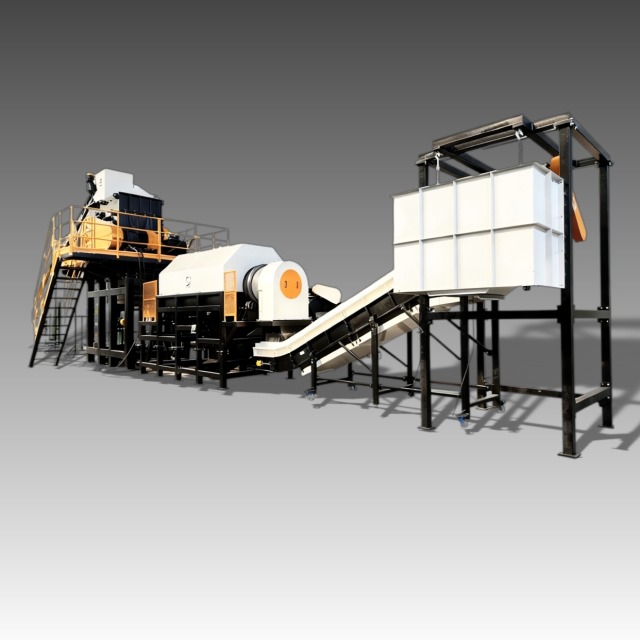
- Elevated platforms and guarded stairs provide access around the taller machinery shown.
- Allow working clearance around enclosed housings and access points so routine inspection and component removal remain practical after installation.
- Washing utilities and residue handling need to be coordinated with the oil filter washing system. The technical schedule should establish water demand, drainage, electrical interfaces and the treatment route for oily liquids and solids under the site's environmental requirements.
- Commissioning should check conveyor direction, transfer alignment and coordination between connected machines before introducing a representative filter load.
- Use the operating instructions to establish the normal loading method and the response to an interrupted material flow.
- Cutting and crushing components need inspection based on their condition and the actual feedstock.
- Record changes in cutting performance, unusual vibration and material build-up; use the equipment manual to identify inspection points and replacement components.
- Blockages and internal cleaning require a controlled shutdown and isolation of the affected equipment.
- Keep access routes clear and remove oily deposits using the prescribed cleaning method so maintenance work can proceed without reaching into moving machinery.
Video & Installation Cases
Waste oil-filter raw-material processing features in our demonstration video, giving you an operating view of material handling at a SOYU shredding plant. Review the incoming material alongside its condition during processing, especially when comparing mixed filter batches with more consistent collections. A useful demonstration connects the visible material behaviour with the operating conditions used during that run.
Our installation cases include customer-factory and workshop arrangements, commissioned scrap-metal recovery equipment, and hazardous metal-container shredding and separation projects. These examples show a used oil filter recycling plant in an industrial setting rather than an isolated machine. Cases also include crushing and washing equipment in continuous operation, providing context for projects that need sustained treatment of collected material.
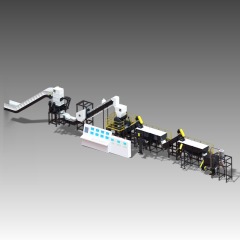
A 3D layout diagram complements the operating photographs by showing how the connected equipment is arranged. For projects using an oil filter washing system, compare examples with a similar contamination profile and intended recovered output so the operating example remains relevant to your material.
Ordering & Warranty
- Factory-direct quotations from SOYU, an oil filter recycling machine manufacturer, are prepared around the required capacity and configuration.
- The quotation should identify the proposed equipment and the scope of the complete project.
- Your order with SOYU as an oil filter crushing system supplier should distinguish the core processing equipment from any additional project requirements.
- A clear scope helps align the machinery, installation responsibilities and agreed commercial terms.
- Equipment carries a 12-month warranty from the date of commissioning.
- The applicable coverage and responsibilities should be recorded in the order documents.
- Original spare parts remain available at cost after the warranty period ends.
- This support continues beyond the initial warranty period.
- Standard equipment lead time is 45–60 working days after receipt of the deposit.
- Customized equipment lead time is 45–90 working days, depending on structural modifications and capacity requirements.
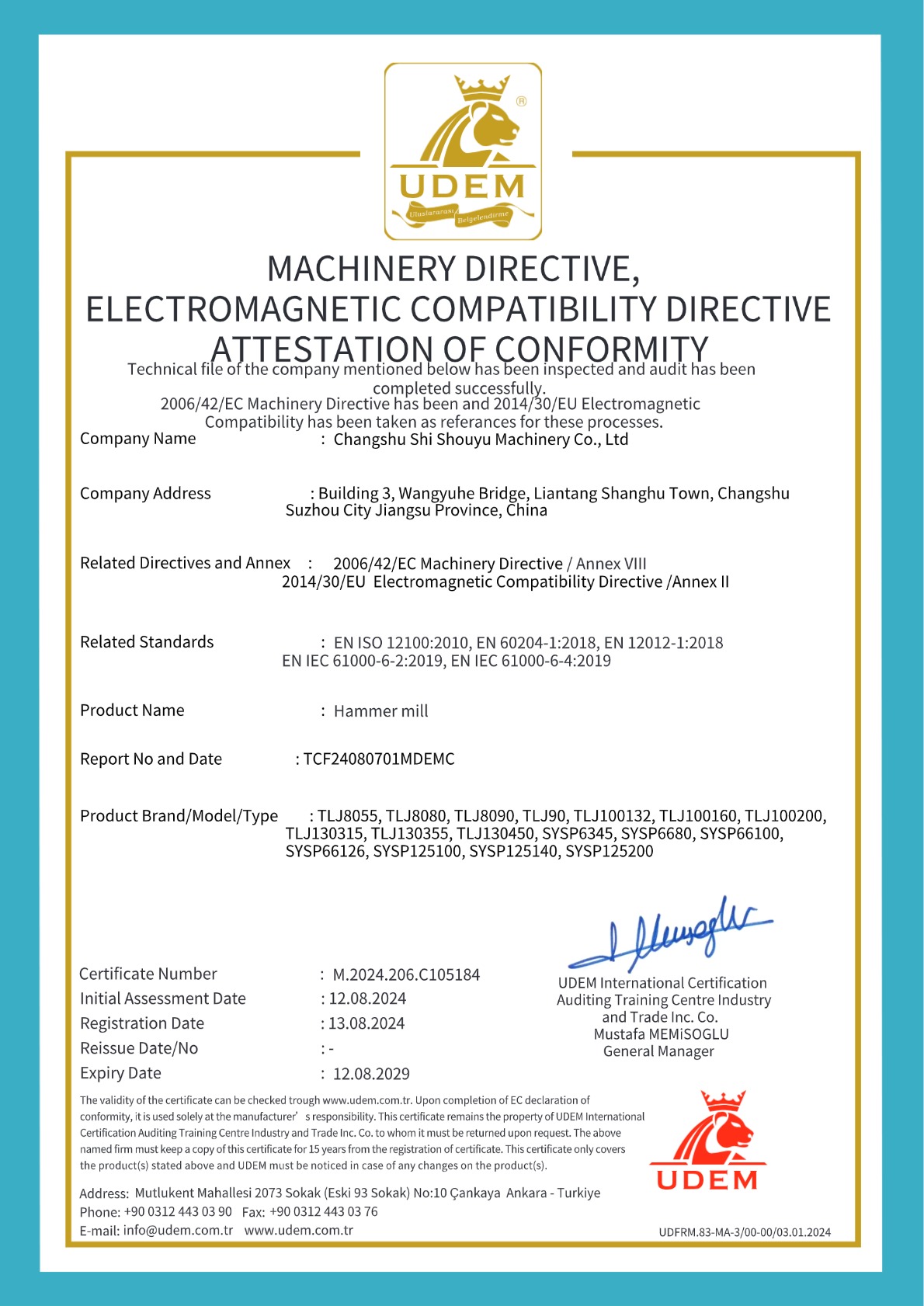
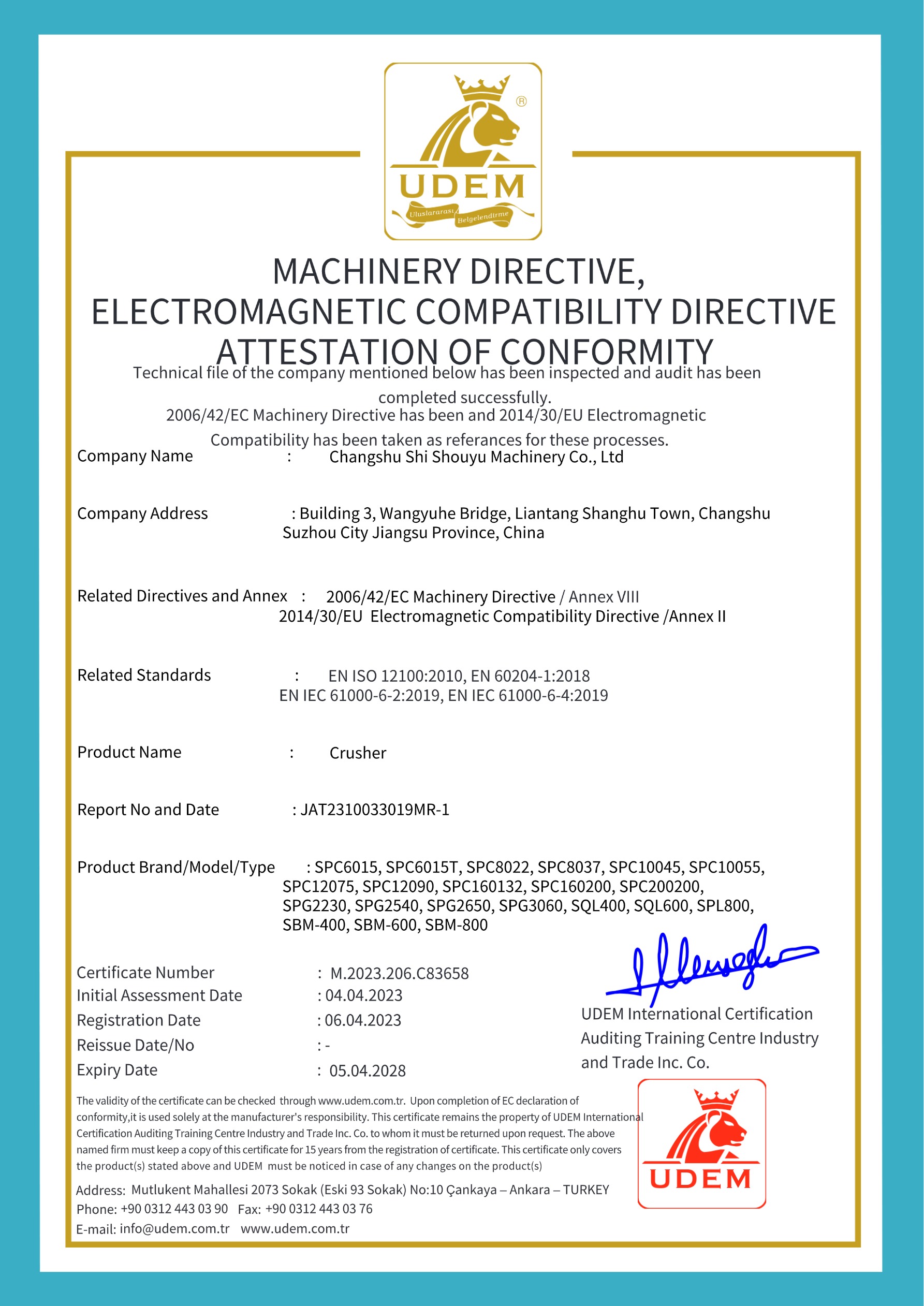
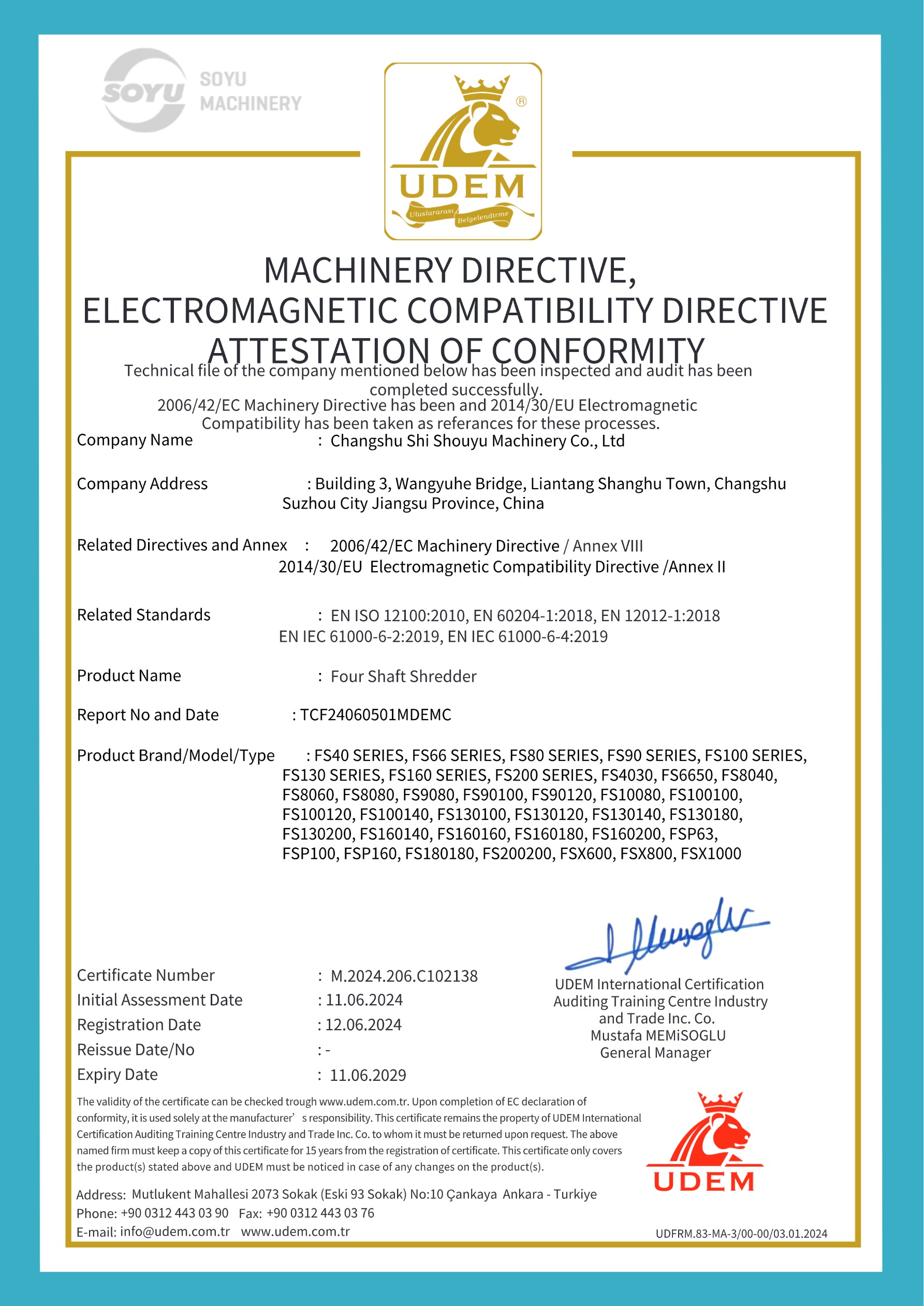
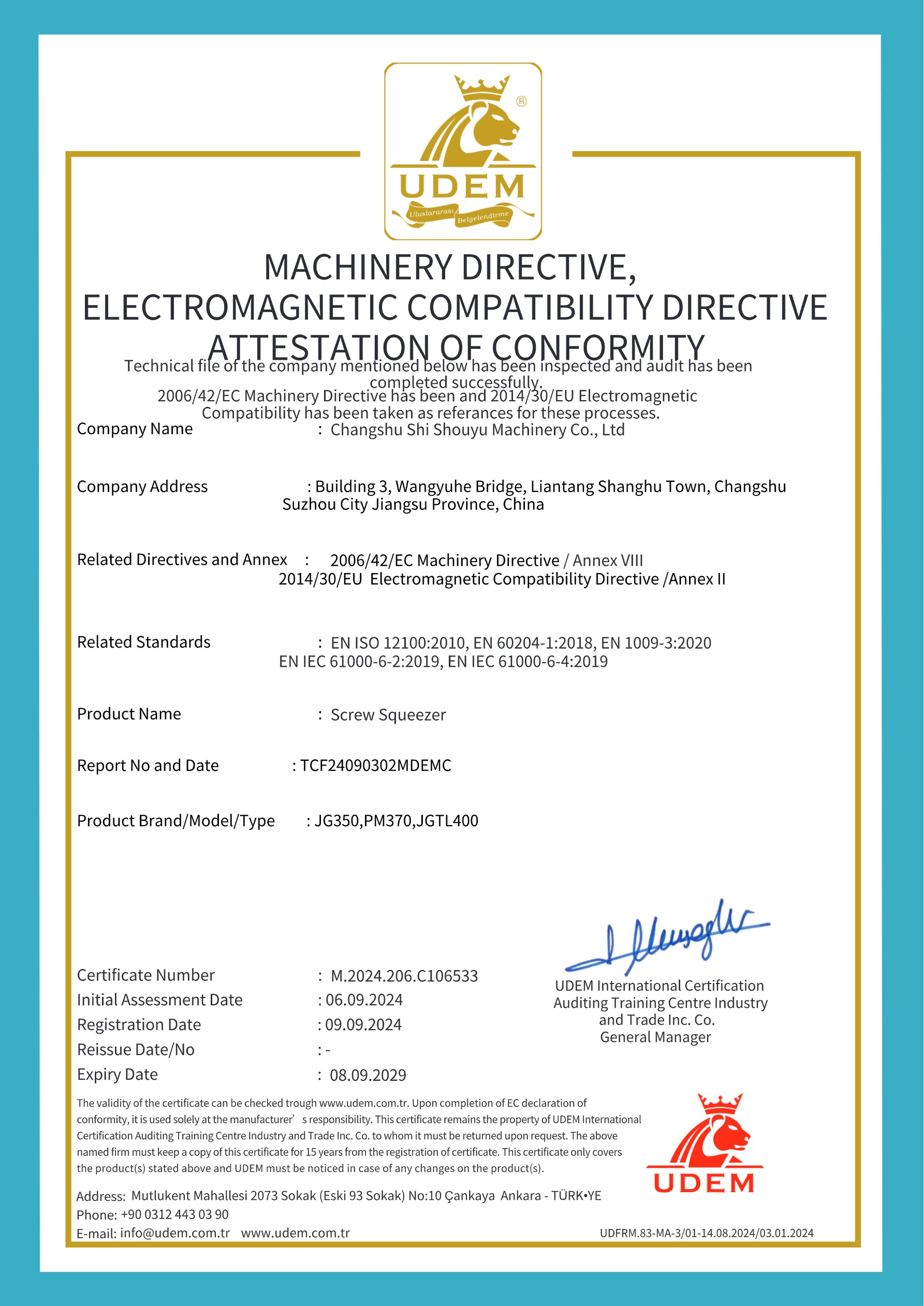
Professional Certification
| Property | Detail |
|---|
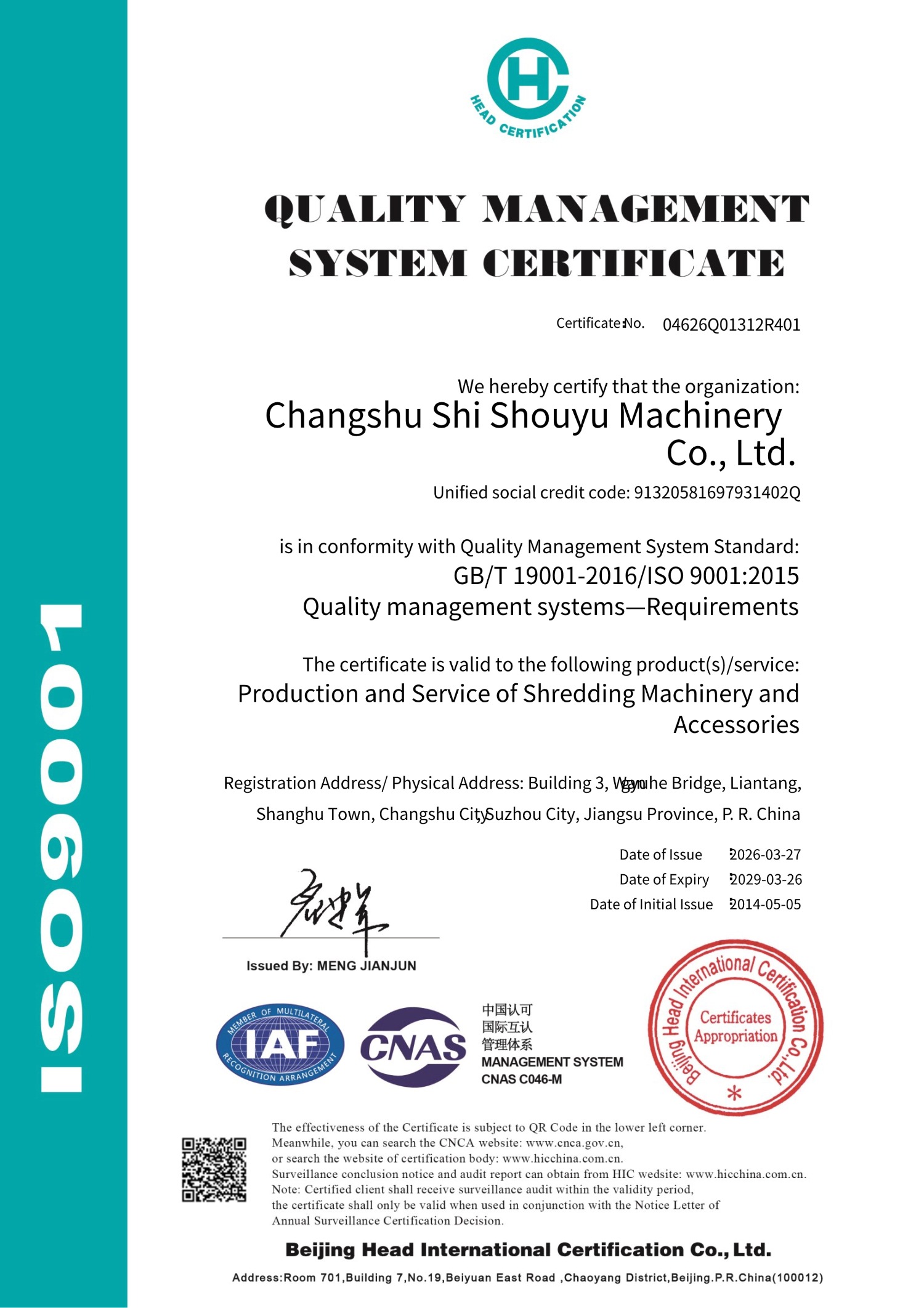
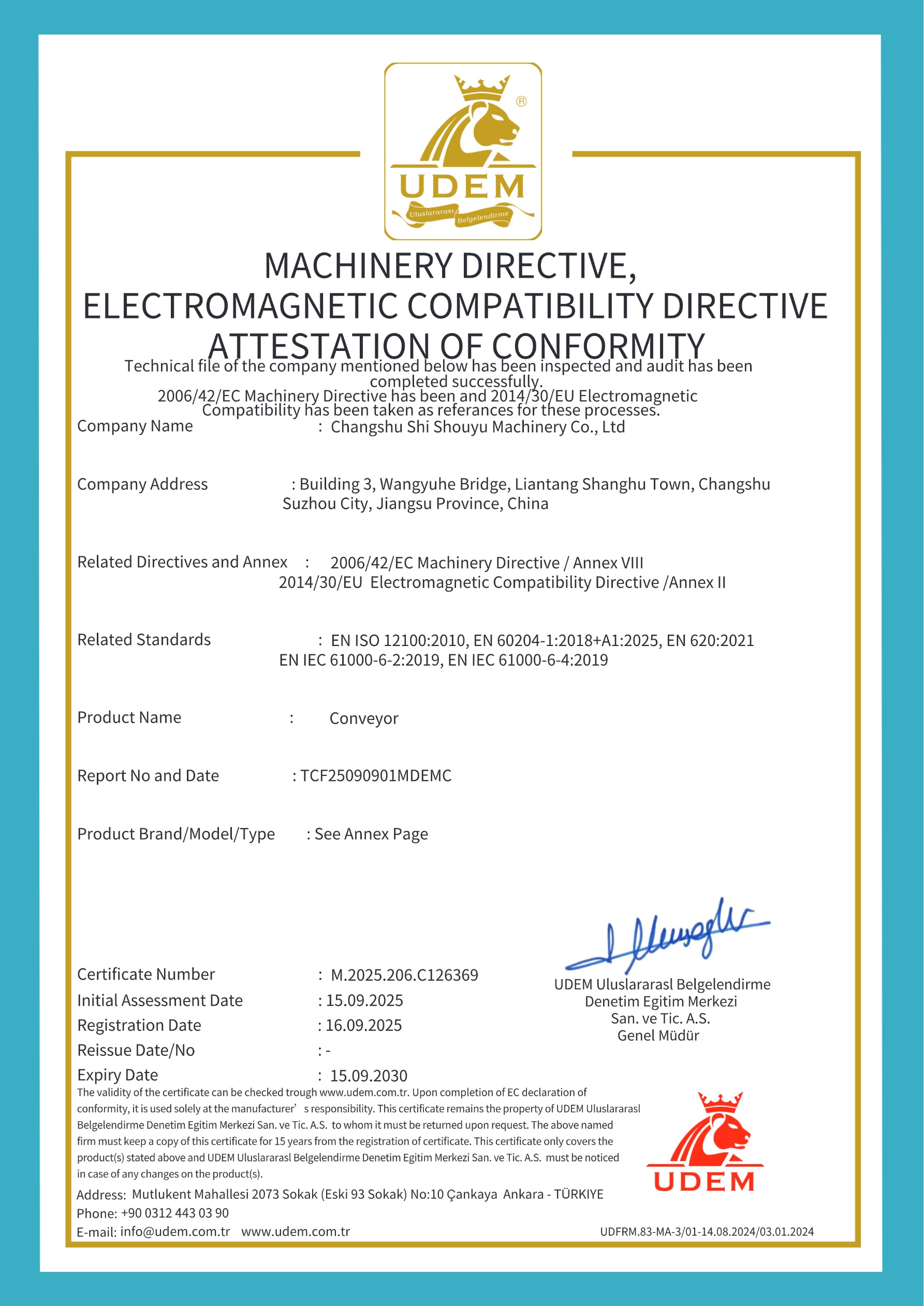
| Quality management certification | ISO 9001:2015 |
| Certified manufacturer | CHANGSHU SHI SHOUYU MACHINERY CO., LTD. |
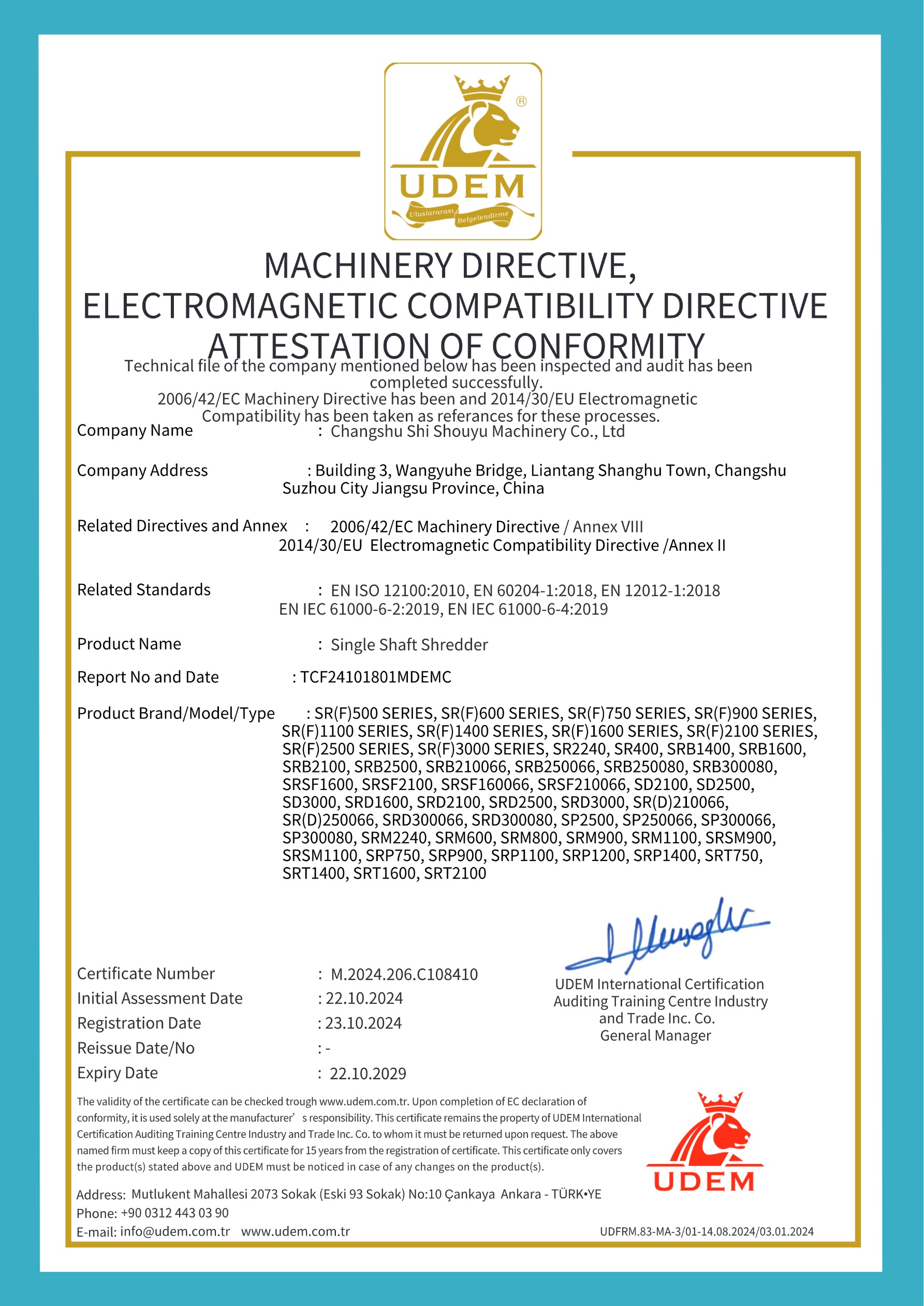
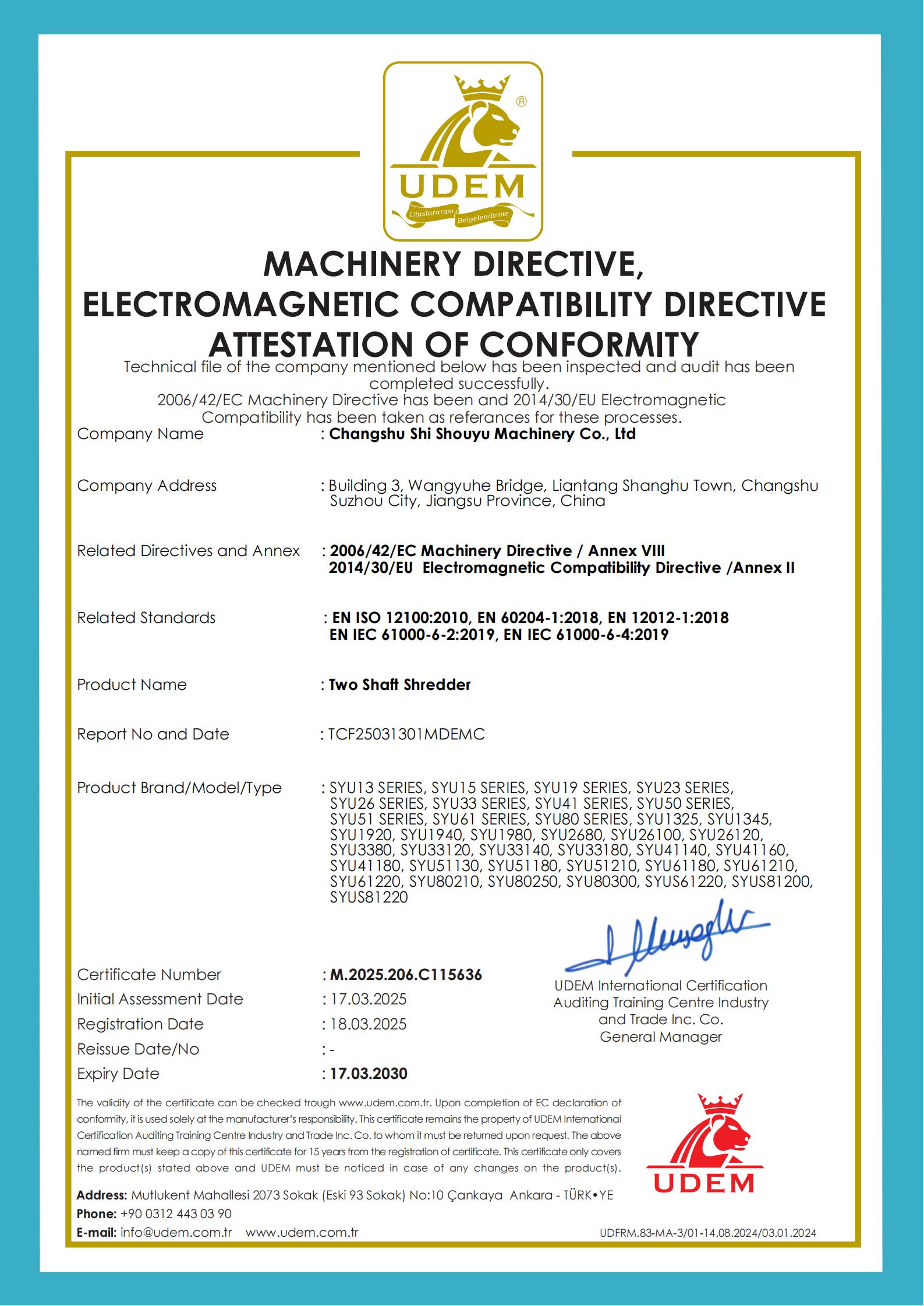
| Equipment conformity | CE compliance |
| Equipment scope | Shredding and separation equipment |
| Machinery directive | 2006/42/EC |
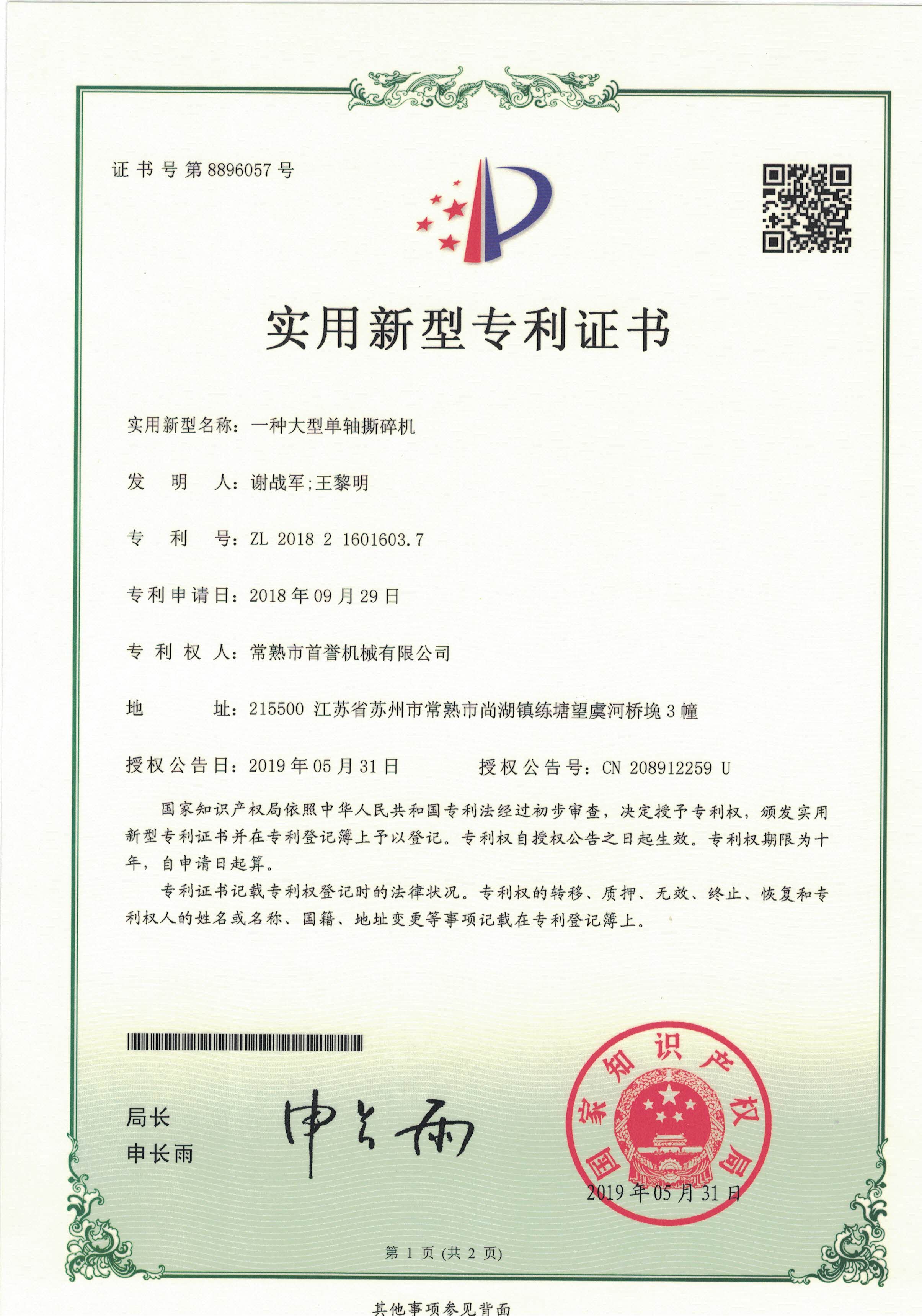
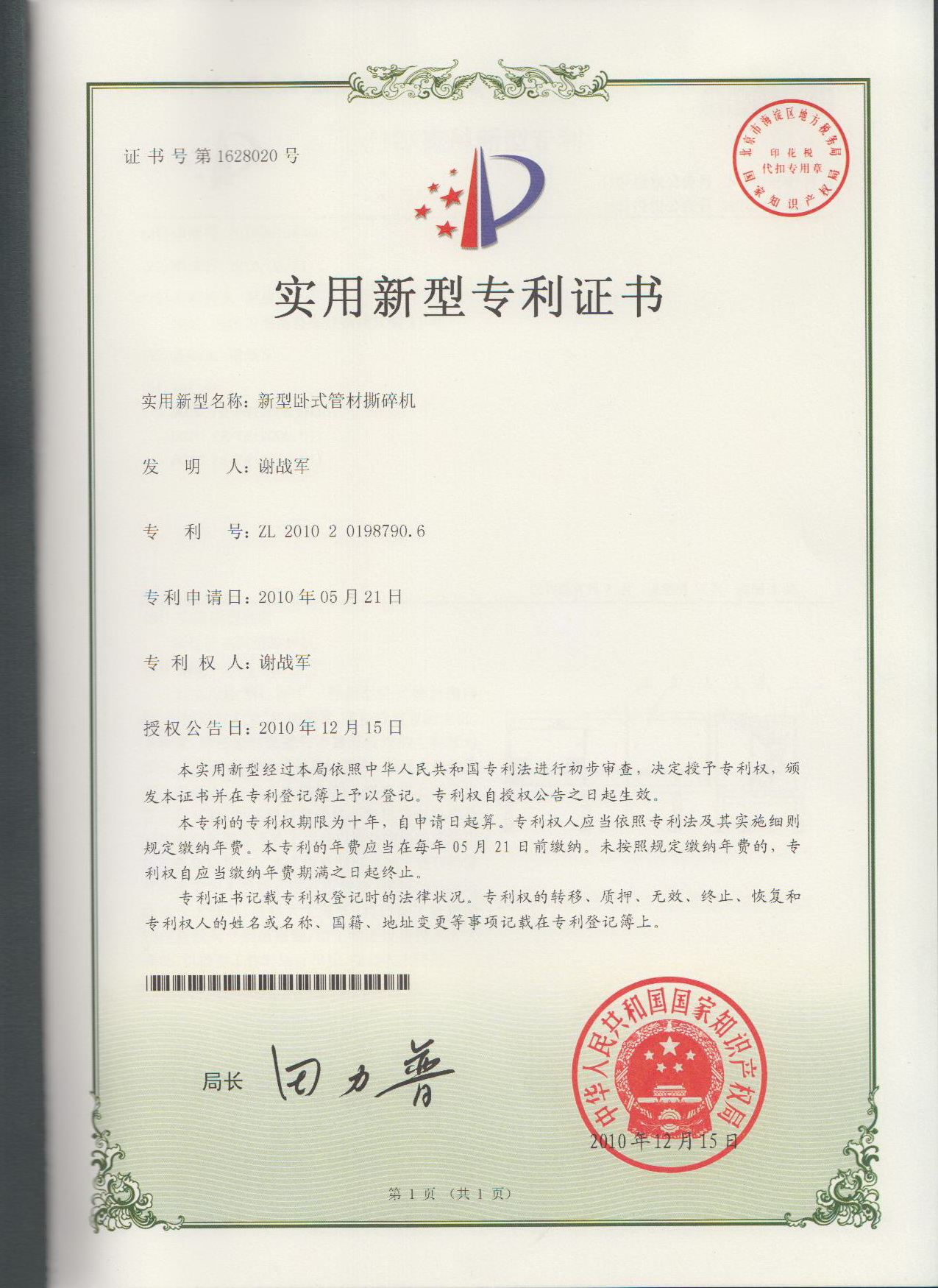
| National patents | More than 80 |
| Patent scope | Core shredding technologies |
Recovered Oil Handling
- Recovered oil from used automotive filters needs an agreed downstream treatment route.
- Our line targets oil recovery alongside material separation; recovery alone does not turn used oil into finished lubricant.
- Distinguish the recovered oil stream from oily wash liquid when planning your project.
- Ask us to clarify the liquid outputs for the proposed configuration, including whether additional oil–water separation is needed before a downstream processor can accept them.
- Agree on the receiving processor’s requirements before selecting collection and storage equipment.
- The condition of the liquid and its intended destination should guide tank selection, transfer arrangements and any preparation required before shipment.
- Have the receiving processor assess a representative sample before arranging routine deliveries.
- Use its acceptance requirements to establish whether the recovered stream can be transferred as collected or needs further treatment first.
- If your project includes lubricant regeneration, ask us to identify the additional equipment and processing responsibilities separately in the proposal.
- Filter crushing, washing and separation should have a clear handover to any subsequent oil refining and lubricant production stages.
Technical Support & Model Matching
Choose equipment matched to your operating requirements with technical support from SOYU. We review your material characteristics, target throughput, site conditions and environmental requirements to recommend suitable models and configurations. Our support covers installation, commissioning and operator training to help your team prepare for operation. Overseas customers can access remote technical assistance for troubleshooting, while maintenance and original spare parts support continue after delivery. Original spare parts remain available at cost after the warranty period ends.
FAQ
Can the system process waste oil drums and paint buckets?
Waste metal oil drums and waste paint buckets are additional applications for the system. Container dimensions and remaining contents need to be matched to the proposed configuration, particularly where coatings, solvents or other residues differ from used-filter contamination.
Can recovered oil be used directly as engine lubricant?
Recovered oil is not automatically ready for use as engine lubricant. No engine-lubricant grade is specified for this recovered stream, so its intended destination should be established before reuse.
Laboratory testing can help identify water, fuel dilution, suspended solids and changes in viscosity. Appearance alone cannot establish whether an oil will provide the lubrication an engine requires.
Removing contamination does not necessarily restore depleted additives or reverse changes caused by heat and oxidation during service. These conditions matter when deciding whether the recovered oil needs further processing.
A used-oil refiner may accept the stream as feedstock, subject to its own acceptance requirements. Discuss the expected oil composition with the receiving refiner to establish which treatment steps are needed before delivery.
If your goal is to produce finished engine lubricant, ask us to clarify the boundary between filter treatment and the additional refining, formulation and testing that goal may require. Any finished lubricant must meet the requirements of the engine in which it will be used.
Can filter paper be recovered for further processing?
Filter paper can be recovered for assessment by a downstream processor. Recovery does not automatically make used filter media suitable for conventional papermaking, so the intended processing route should be established before arranging collection.
The composition of the incoming media matters. Filters may contain treated paper or blends with synthetic fibres; a processor willing to accept one type may not accept another.
Acceptance discussions should address oil remaining in the paper and attached materials such as adhesive, rubber or metal fragments. Ask the processor which contaminants it can handle and which would cause a load to be rejected.
The physical condition of the recovered fraction also affects handling. Loose fibres, torn pieces and compacted material can behave differently during unloading and feeding, so agree on an acceptable delivery form before choosing packaging or compaction equipment.
Keep the recovered paper separate from unrelated waste during storage, and choose containers appropriate for any retained liquid. Before committing to routine deliveries, have the receiving processor assess a representative trial batch and establish whether further preparation is needed.
How are the crushed materials classified?
Crushed material is classified into output fractions according to material type, particle size and density. Each fraction should have an agreed destination so that the classification arrangement supports the next processing operation.
Define size requirements as an acceptable distribution rather than a single nominal dimension. A downstream machine may tolerate a range of particles while setting separate limits for oversized pieces or fines.
Particle shape deserves attention alongside size. Long strips or curled fragments can feed differently from compact pieces with a similar measured dimension, particularly where material passes through narrow openings or transfer points.
Pieces that still contain bonded components may need additional treatment before they fit a usable fraction. Ask how these mixed pieces will be identified and whether the proposed configuration provides for their return to an earlier processing stage.
Fine material needs an agreed collection and handling route of its own. Establish whether the intended receiver accepts it with a larger fraction or requires it to be collected separately, and make that decision before finalising the discharge arrangement.