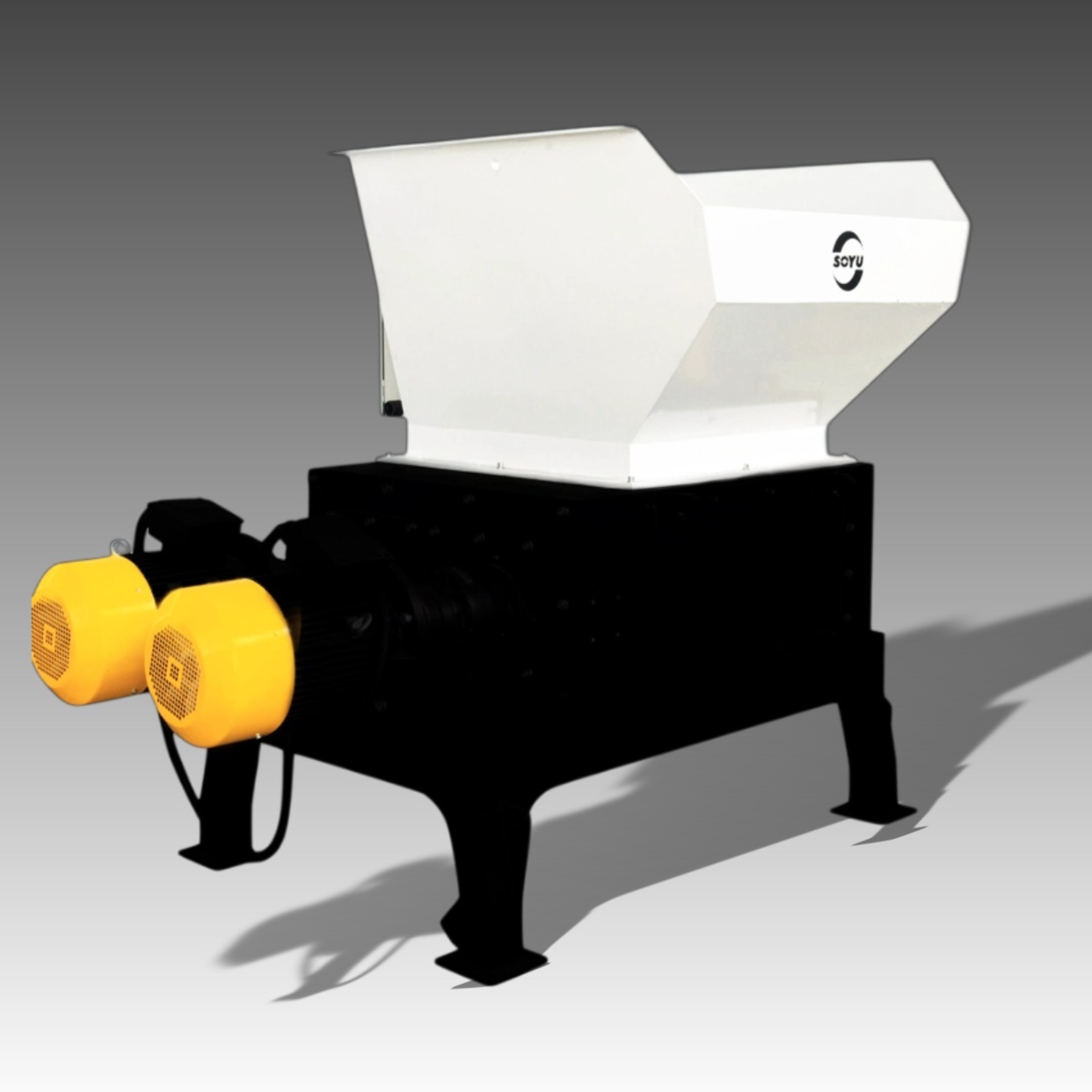
• Four Shaft Shredder FS66 Series
  • Four Shaft Shredder FS66 Series
  • Four Shaft Shredder FS66 Series
  • Four Shaft Shredder FS66 Series
  • Four Shaft Shredder FS66 Series
  • Four Shaft Shredder FS66 Series
  • Four Shaft Shredder FS66 Series
  • Four Shaft Shredder FS66 Series
  • Four Shaft Shredder FS66 Series
  • Four Shaft Shredder FS66 Series

Four Shaft Shredder FS66 Series

Differential-speed shearing for light industrial waste, with practical output control, maintenance. Ask this FS66 four shaft shredder manufacturer for a quote.
  • Four Shaft Shredder FS66 Series
  • Four Shaft Shredder FS66 Series
  • Four Shaft Shredder FS66 Series
  • Four Shaft Shredder FS66 Series
  • Four Shaft Shredder FS66 Series

Product Video

Two Shaft Shredder

Metal/paper

Two Shaft Shredder

Plastic barrel/pallet

four shaft shredder

Plastic

Two Shaft Shredder

Plastic bags/wood

Single Shaft Shredder

Paper mill waste

Two Shaft Shredder

E-Waste

Product Details

Rotor: “V” spiral arrangement cutter blades bring uniform shredding forces. Auxiliary blades can automatically clean the main blades. The two-side abrasion-resistant sidewall liners are made from HARDOX wear-resistant steel plates.
Hydraulic arm: ideal for processing large hollow products to improve the throughput.
Screen unit: screens with a variety of structures and mesh hole sizes are selectable. Side pull screen can be provided for easy maintenance.

Application

Metal & Metal chip

Metal & Metal chip

Electronic scrap

Electronic scrap

Paper & Cardboard

Paper & Cardboard

Plastic & Film

Plastic & Film

Wood & Wood Pallet

Wood & Wood Pallet

RDF & MSW

RDF & MSW

Description

Product Overview

Light, hollow and compact waste from industrial production and recycling needs controlled reduction before further handling or recovery. SOYU, an FS66 four shaft shredder manufacturer, builds this series for that work, helping plants reduce waste volume and prepare material for subsequent processing. It can serve a dedicated waste stream or operate within a larger recycling workflow, where the incoming material and downstream requirements determine the configuration. For medium and large processing operations, the emphasis is dependable material handling, manageable maintenance and output suited to the next process.

Technical Features & Specifications

PropertySpecification
Shearing mechanismFour-shaft differential-speed shearing
Shaft drive arrangementIntermediate gear drive creates differential shaft speeds
FS6625 reducerPlanetary gear reducer
FS6625 main shaftsDifferential-speed operation
FS6650 motor power7.5 kW
FS6650 main blade thickness18.5 mm
FS6650 main blade rotation diameter230 mm
FS6650 cutting chamber660 × 500 mm
FS6650 overall dimensions, L × W × H1,600 × 800 × 1,940 mm
FS6650 weight1,000 kg
ModelMotor power
Main blade thicknessMain blade rotation diameter
Cutting chamber, L × WOverall dimensions, L × W × H
WeightFS4030
1.5 kW18.5 mm
180 mm400 × 300 mm
850 × 600 × 1,650 mm1,600 kg FS8040 / FS8060 / FS8080
2 × 11 kW each18.5 mm / — / —
245 mm / — / —800 × 400 / 800 × 600 / 800 × 800 mm
1,940 × 1,200 × 2,065 / 2,130 × 1,200 × 2,065 / 2,360 × 1,200 × 2,065 mm1,600 / 1,800 / 2,000 kg FS9080
2 × 22 kW25 mm
290 mm900 × 800 mm
2,690 × 1,450 × 2,450 mm3,500 kg FS90100
2 × 22 kW—
—900 × 1,000 mm
2,890 × 1,450 × 2,450 mm4,200 kg FS10080
2 × 30 kW40 mm
320 mm1,000 × 800 mm
2,620 × 1,800 × 2,500 mm5,000 kg FS100100 / FS100120 / FS100140
2 × 30 kW each— / — / —
— / — / —1,000 × 1,000 / 1,000 × 1,200 / 1,000 × 1,400 mm
2,820 × 1,800 × 2,500 / 3,020 × 1,800 × 2,500 / 3,220 × 1,800 × 2,500 mm5,500 / 6,000 / 6,500 kg FS130100 / FS130120
2 × 15 + 2 × 30 kW each50 mm / —
430 mm / —1,300 × 1,000 / 1,300 × 1,200 mm
3,550 × 2,000 × 3,100 / 3,650 × 2,000 × 3,100 mm11,500 / 12,500 kg FS130140
2 × 15 + 2 × 37 kW—
—1,300 × 1,400 mm
3,850 × 2,000 × 3,100 mm13,500 kg FS130180
2 × 15 + 2 × 37 kW—
—1,300 × 1,800 mm
4,250 × 2,000 × 3,100 mm15,500 kg FS160140 / FS160160
2 × 30 + 2 × 45 kW each50 mm / —
534 mm / —1,600 × 1,400 / 1,600 × 1,600 mm
4,160 × 2,200 × 3,630 / 4,360 × 2,200 × 3,630 mm17,000 / 18,000 kg FS160200
2 × 30 + 2 × 55 kW—
—1,600 × 2,000 mm
4,560 × 2,200 × 3,630 mm19,000 kg
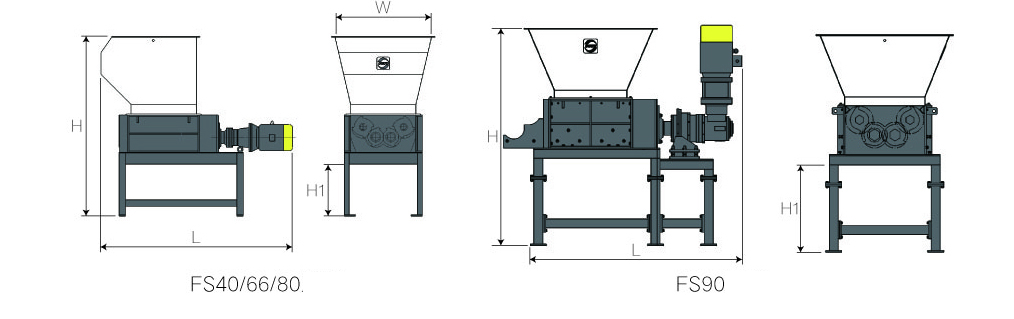
Technical drawings of industrial shredders with feed hoppers, motors, and frames

Product Advantages

  • Hydraulic arms assist larger hollow products into the cutting area, helping improve throughput when their shape makes feeding difficult.
  • Feed assistance is particularly useful when an empty shell occupies substantial hopper space without consistently engaging the cutters.
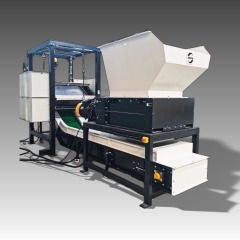
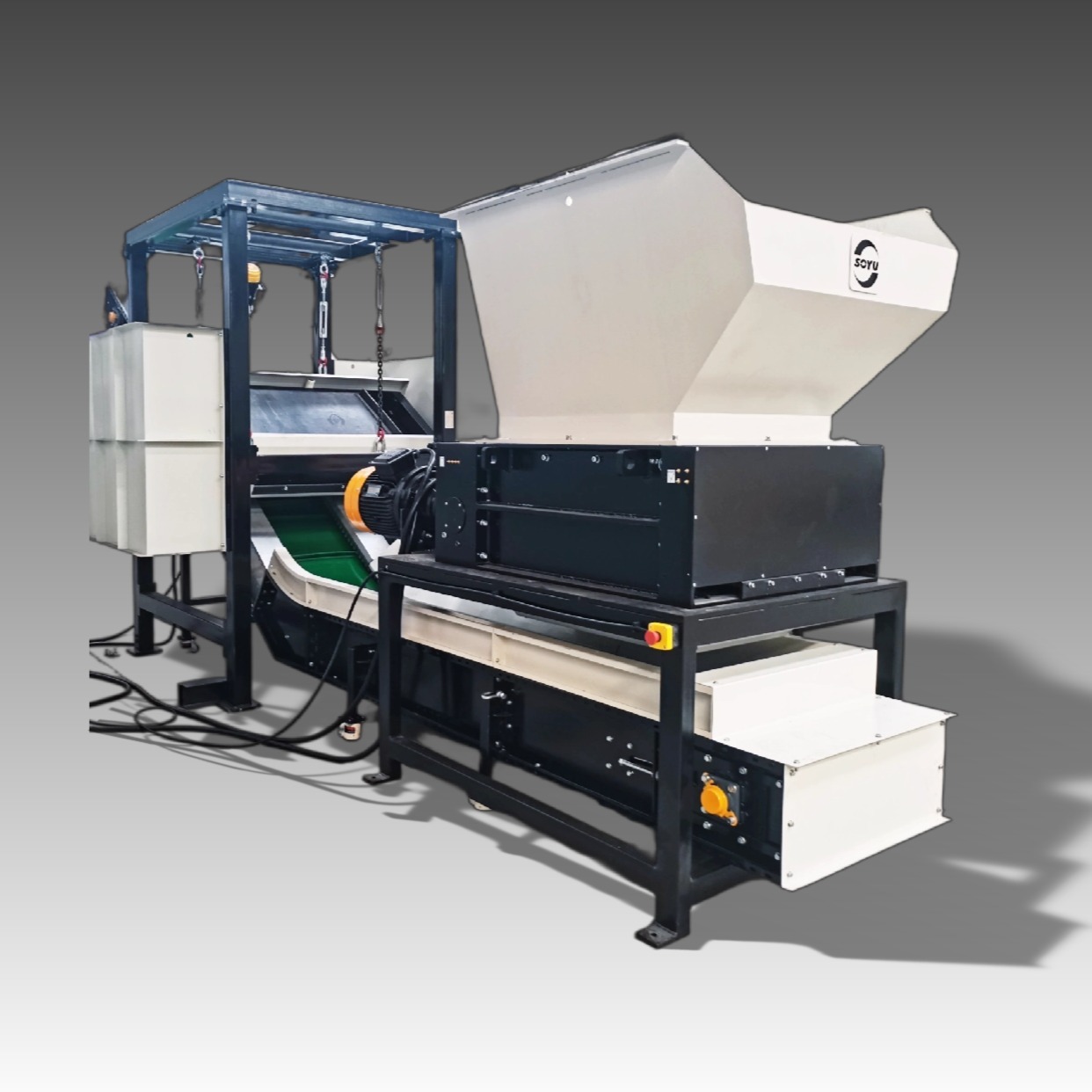
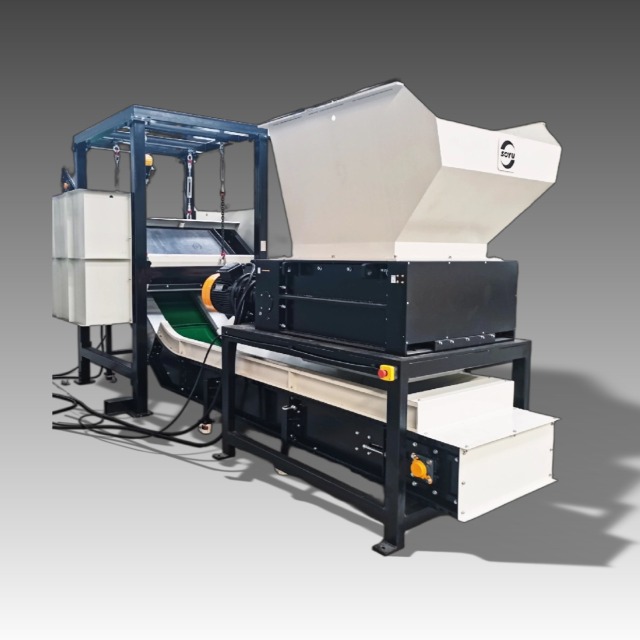
  • Automatic discharge moves shredded material out of the cutting section for subsequent handling.
  • The receiving conveyor or collection arrangement needs enough clearance and capacity to prevent material from backing up beneath the unit.
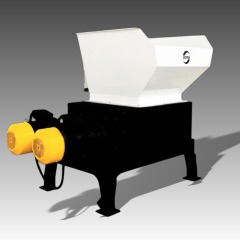
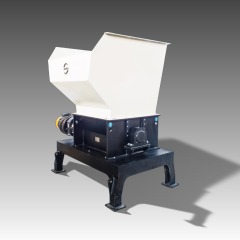
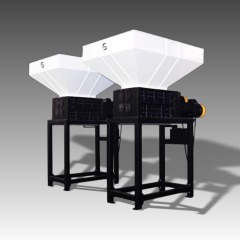
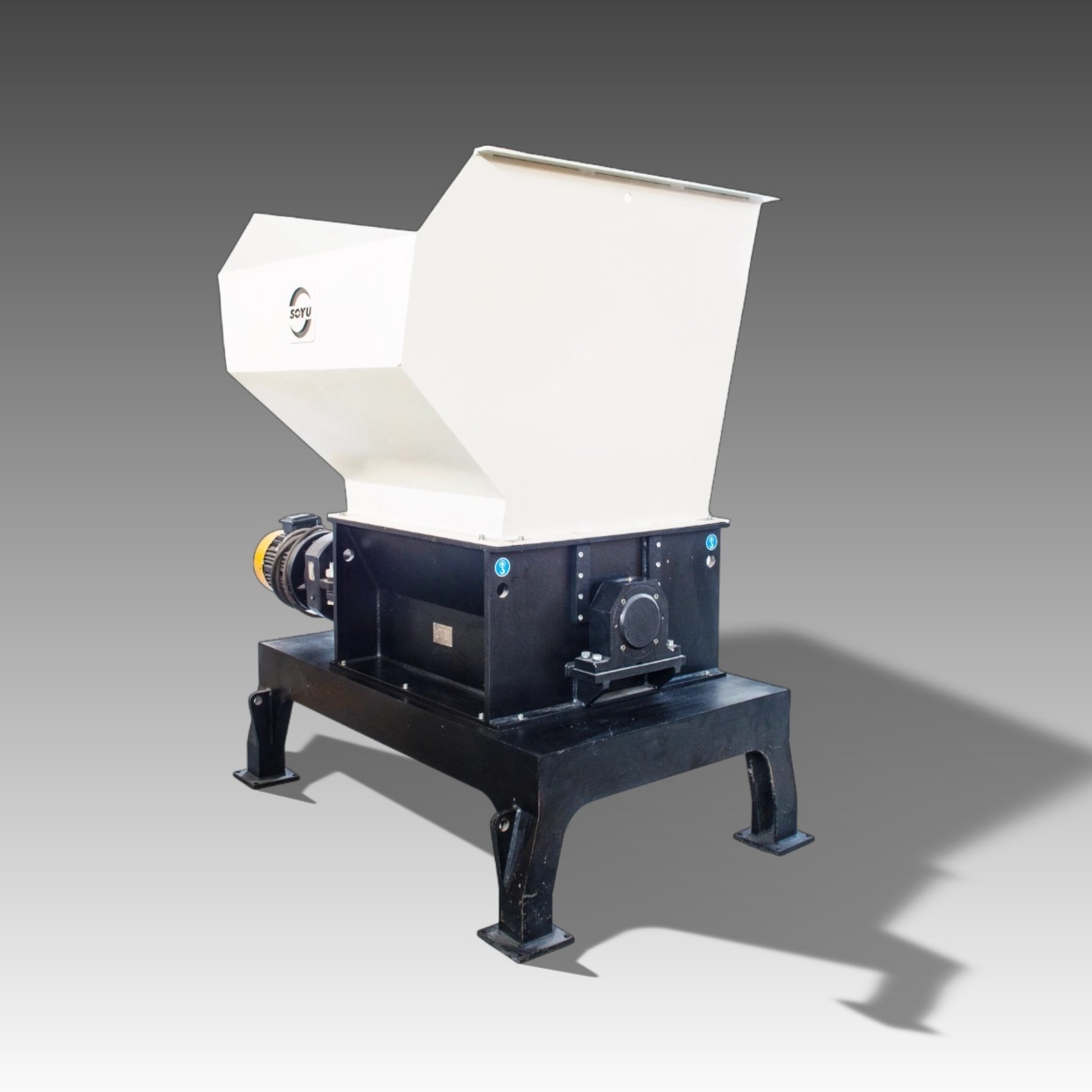
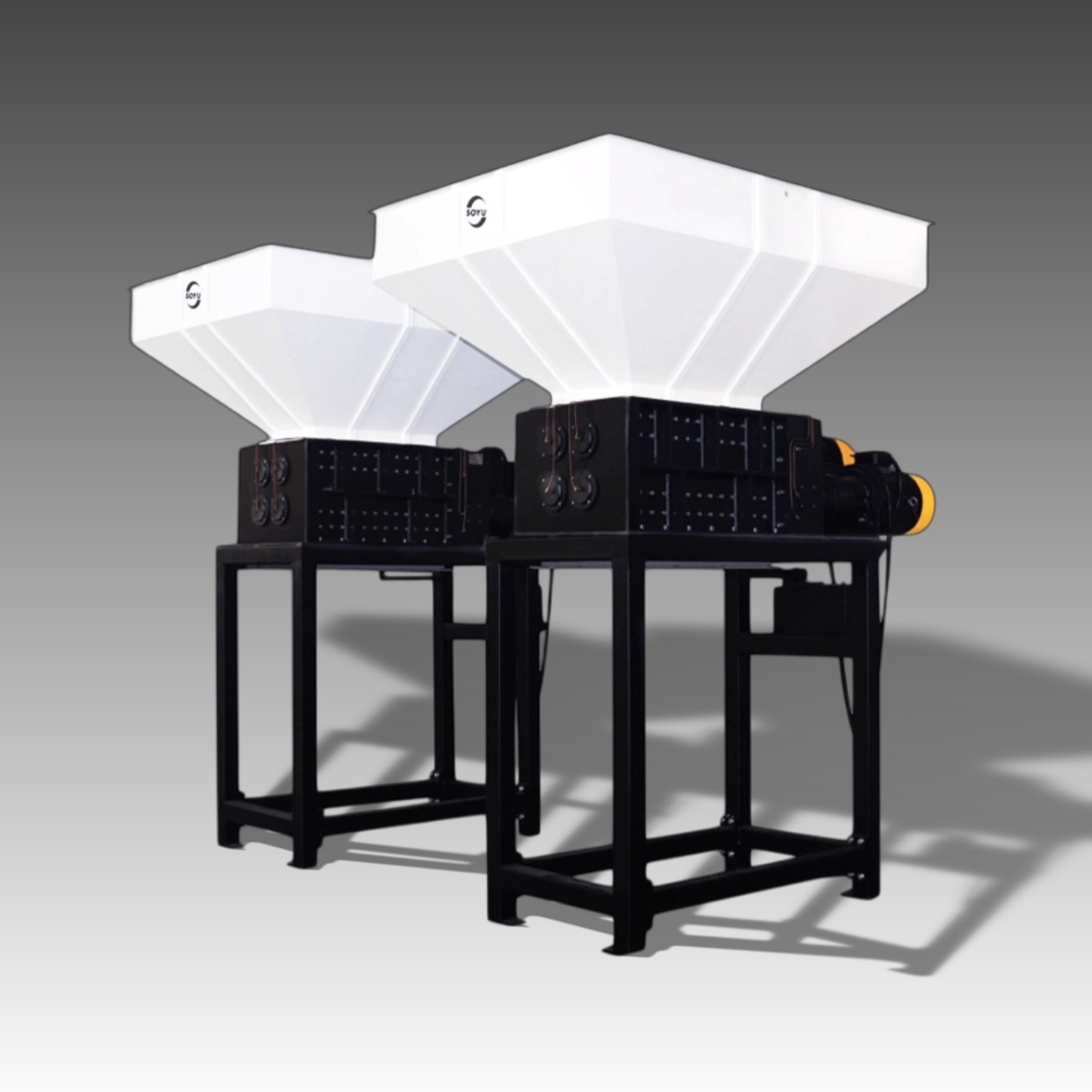
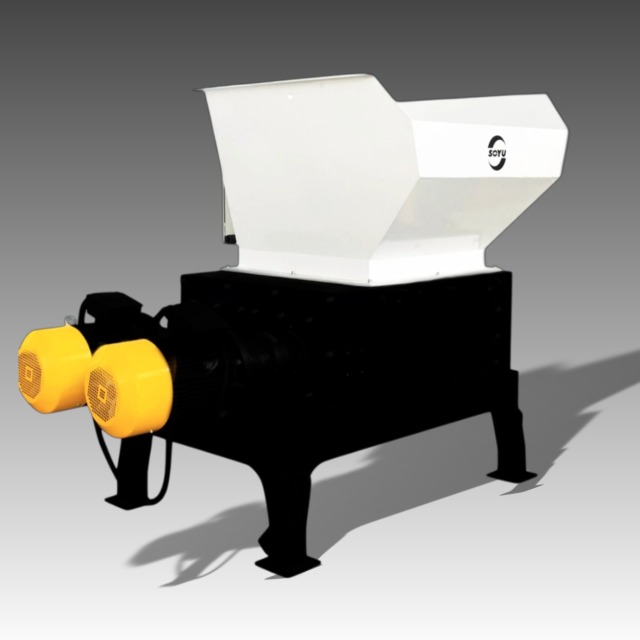
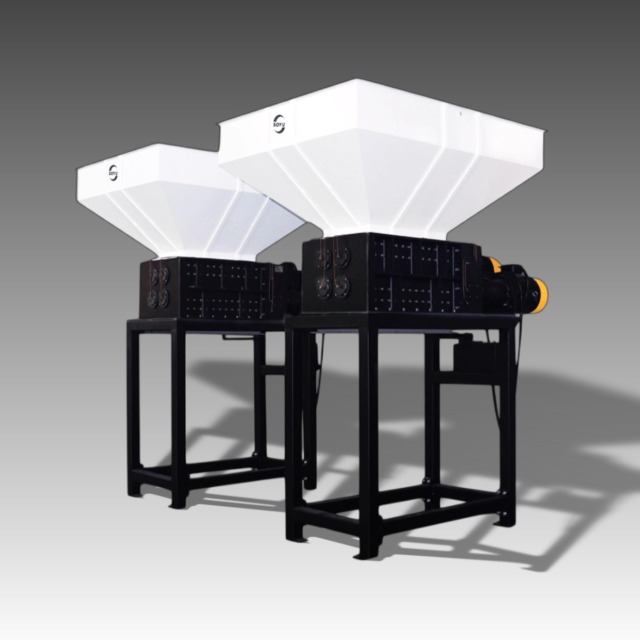
  • Wide, flared feed hoppers provide an accessible loading opening in the illustrated configurations.
  • Incoming item dimensions and the method of loading determine the appropriate hopper arrangement; the opening does not establish a maximum processable item size by itself.
  • Side-mounted motor assemblies keep the drives outside the central feed path.
  • Installation layouts need working access around these assemblies for inspection and service, including clearance around the motor covers.
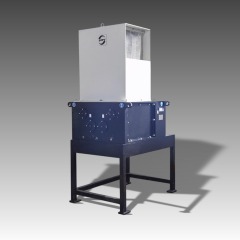
  • Raised support frames leave space beneath the shredding chamber for discharge handling.
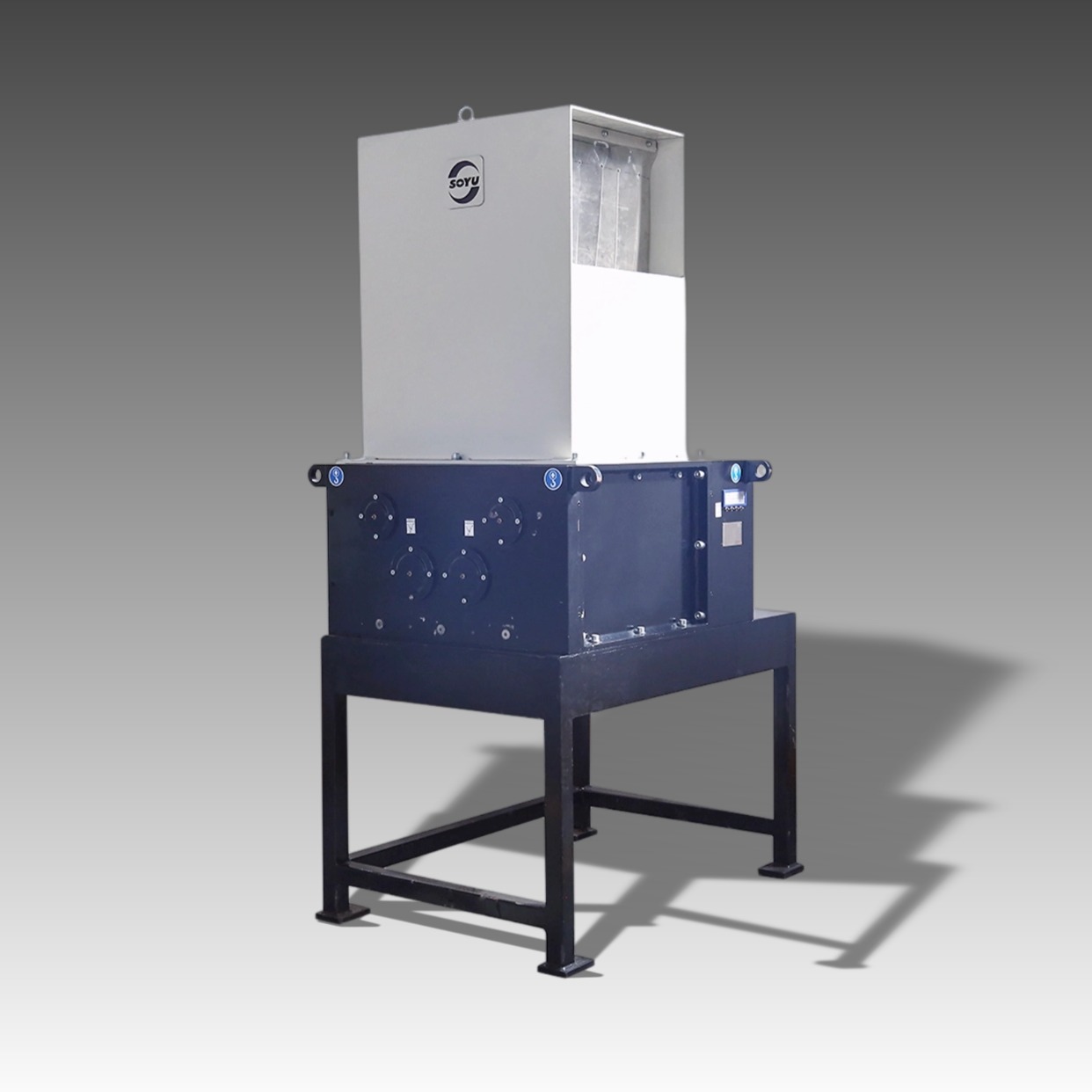
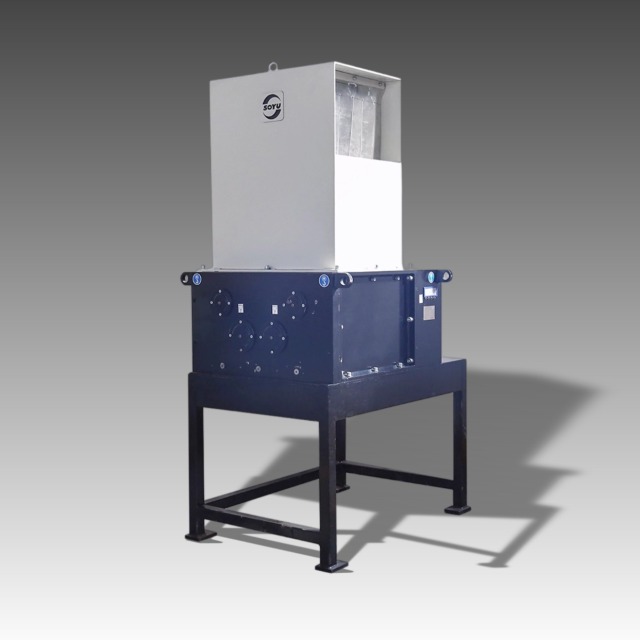
  • Upright feed chutes and inlet flaps also appear among the illustrated configurations; the final arrangement needs to match the loading method, operating access and surrounding equipment.

Industrial Applications

Plastics recycling operations use size reduction to make irregular waste easier to handle before further treatment. For a pet bottle shredder installation, the incoming bottle condition, attached components and required downstream process guide a four shaft plastic shredder supplier in fitting the shredding stage into the line. Across the broader FS series, applications also include plastic film, plastic blocks, buckets and dustbins; large hollow items require a configuration matched to their dimensions and construction.

Metal and metal-chip processing involves very different feed shapes, from loose machining waste to formed sections. An aluminum shavings shredder application needs attention to the length, nesting and residual contamination of the incoming chips. The broader FS range also covers aluminum profiles, metal drums, paint buckets and car shells, with machine size and cutting configuration matched to the actual load.

Electronic scrap handling includes compact components as well as larger appliances across the FS range. Circuit boards, refrigerators, television sets and washing machines require appropriate dismantling and removal of hazardous components before shredding. Size reduction prepares this material for further recovery; it does not by itself separate the different metals, plastics and other constituents.

Paper and cardboard operations use shredding to reduce bulky packaging before subsequent handling. Coated, laminated or contaminated material can behave differently from clean fiber packaging, so its condition needs to be included when establishing the process. Shredding is a preparation stage rather than a substitute for pulping or contaminant separation.

Wood and wood-pallet recovery is another FS-series application. Fasteners, attached fittings and mixed construction affect how the load enters the cutting chamber and what treatment is needed afterward. Tires, textile waste and bulky furniture are also handled within the broader range, subject to an appropriately configured machine.

RDF and MSW preparation can involve household waste, kitchen waste and industrial solid waste. The FS range also includes IBC tanks and medical-waste applications, where residue handling and an appropriate treatment procedure are essential. Shredding does not provide disinfection or establish that a waste stream meets local acceptance requirements. These broader-series uses require a material-specific configuration rather than an assumption that every model handles every listed item.

Structural Design & Reliability

V-spiral cutter-blade arrangements distribute shredding forces through the rotor assembly. Auxiliary blades automatically clean the main blades, while the anti-winding arrangement helps reduce material accumulation around the cutting elements. These features address the way loose and irregular feed can collect inside the chamber.

HARDOX wear-resistant steel plates form the abrasion-resistant sidewall liners on both sides of the chamber. The liners protect surfaces exposed to rubbing material and abrasive particles. Their condition is particularly relevant when the incoming waste includes hard inclusions or persistent contamination.

A CNC-machined integral cutter box provides a precisely manufactured housing for the cutting assembly. Accurate component alignment supports the interaction between the shafts and blades, while the integral construction provides a rigid basis for the mechanism.

Multi-component combined sealing helps resist dust and water ingress around protected assemblies. Imported high-load bearings support demanding operating loads, but sealing and bearing condition still require attention when processing wet, dusty or contaminated material. Water resistance does not make the whole machine suitable for unrestricted washdown.

An extended main shaft and external bearing seat help reduce wear associated with material leakage toward the bearings. Keeping the bearing area outside the main material path also makes leakage and abnormal buildup easier to notice during inspection.

Modular components support maintenance and configuration changes without requiring every assembly to be treated as a single permanent unit. Blade dimensions remain model-specific: where a dash appears in the series specifications, use the machine-specific cutter drawing rather than assuming that an adjacent model uses the same part.

Performance & Operating Efficiency

  1. Low-speed, high-torque operation supports controlled shearing with a low-noise design.
  2. Actual sound at the workplace also depends on the feed material, loading impacts and surrounding machinery, so site noise control needs to consider the whole installation.
  3. Siemens PLC control supports automated operation and remote monitoring.
  4. Operators can use the available monitoring functions to follow machine behavior and investigate changes in loading instead of relying only on the appearance of the discharged material.
  5. Particle consistency depends on the incoming waste as well as the cutting process.
  6. The mechanism is designed to promote more uniform shredding, while an actual-feed trial establishes how irregular shapes and mixed constituents behave in the resulting output.
  7. Motor power is an electrical rating rather than a measurement of energy consumed per quantity processed.
  8. For a pet bottle shredder trial, recording material condition, operating load and output together gives a more useful basis for estimating routine energy demand than motor power alone.
  9. Feed consistency affects both throughput and interruptions.
  10. For an aluminum shavings shredder trial, comparing loose chips with nested or compacted material helps reveal changes in feeding behavior; results need to relate to the form that will actually reach the hopper.
  11. Operating cost depends on useful output, wear-component consumption, maintenance effort and stoppages together.
  12. A measured production trial provides a practical basis for comparing those factors without assuming a fixed energy saving, uninterrupted duty or financial return.

Product Videos & Cases

  1. Metal and paper demonstrations help illustrate how rigid and compressible feed enters the cutting area.
  2. For an aluminum shavings shredder application, compare the demonstrated chip form with the length and nesting of the material generated by your own machining process.
  3. Plastic barrel and pallet demonstrations show how larger shapes approach the chamber.
  4. Watch the orientation of the item and the way its edges engage the cutters, especially when comparing an intact article with one that has already been cut down.
  5. Plastic demonstrations provide a closer look at the behavior of rigid pieces during shredding.
  6. Wall thickness, reinforcement and attached components all affect how representative a demonstration is of production waste.
  7. Plastic-bag and wood demonstrations cover materials with different structures.
  8. Their feeding behavior is useful to review separately, particularly where flexible pieces could bridge across an opening or travel with more rigid material.
  9. Paper-mill-waste demonstrations address a process residue rather than clean packaging alone.
  10. Moisture, entrained material and the form in which the residue reaches the hopper need to resemble the intended operating conditions for a useful comparison.
  11. E-waste demonstrations show the reduction of assemblies containing different materials.
  12. The preparation of the incoming items and the treatment of the discharged mixture are as important to the overall recovery process as the shredding action itself.
  13. Application cases are most useful when they identify the feed preparation, machine configuration and resulting output together.
  14. We can test customer material and provide reports covering processing capacity, energy consumption and final particle size, with high-definition video or live-streamed testing available for customers unable to attend.

Ordering & Spare Parts

Original spare parts remain available at cost after the warranty period ends through SOYU, your FS66 four shaft shredder manufacturer.

When arranging replacement parts with a four shaft plastic shredder supplier, include the machine identification, part drawing and component location. These details help distinguish the correct replacement from a visually similar component and keep the parts request tied to the installed machine.

Professional Certification

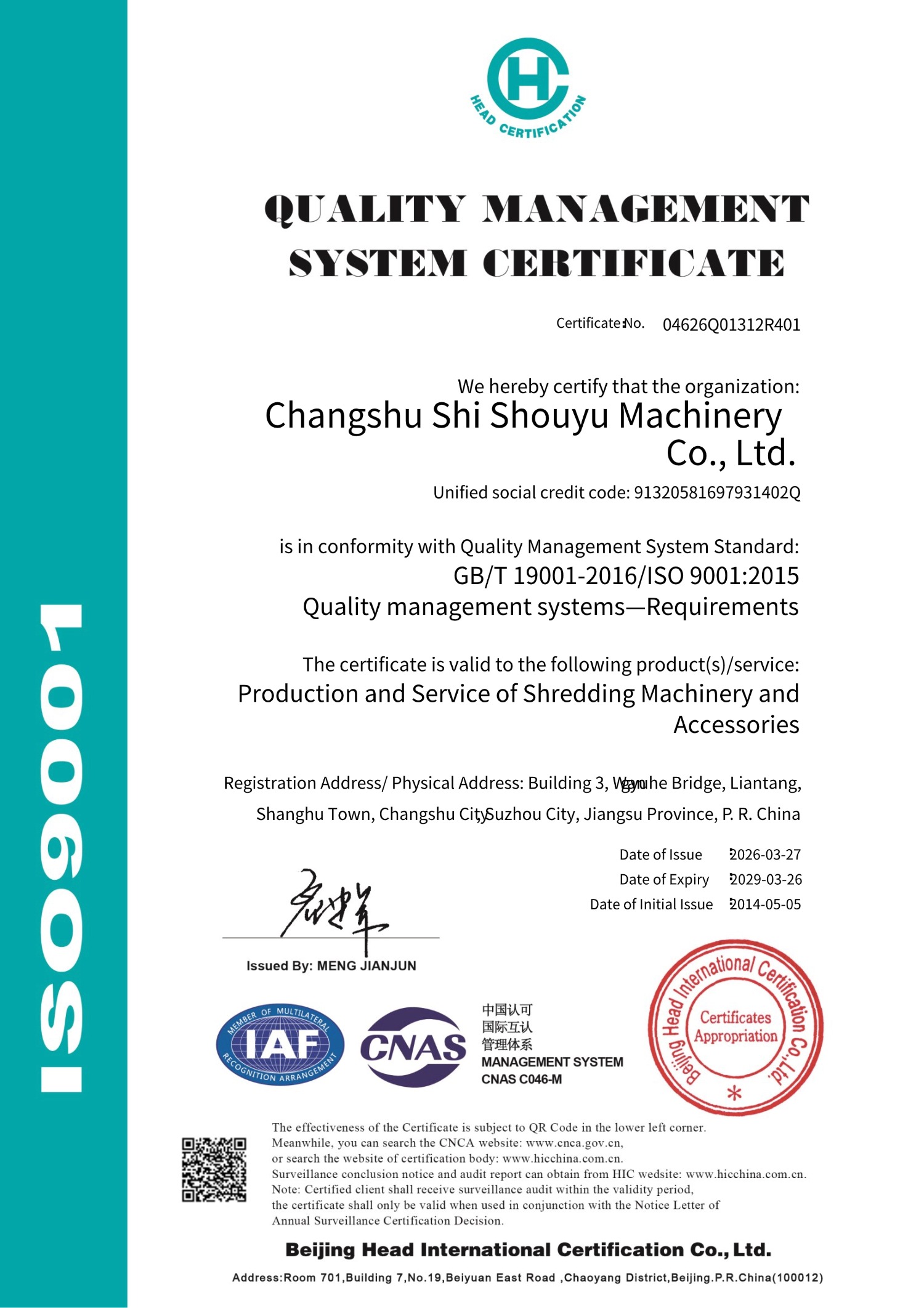
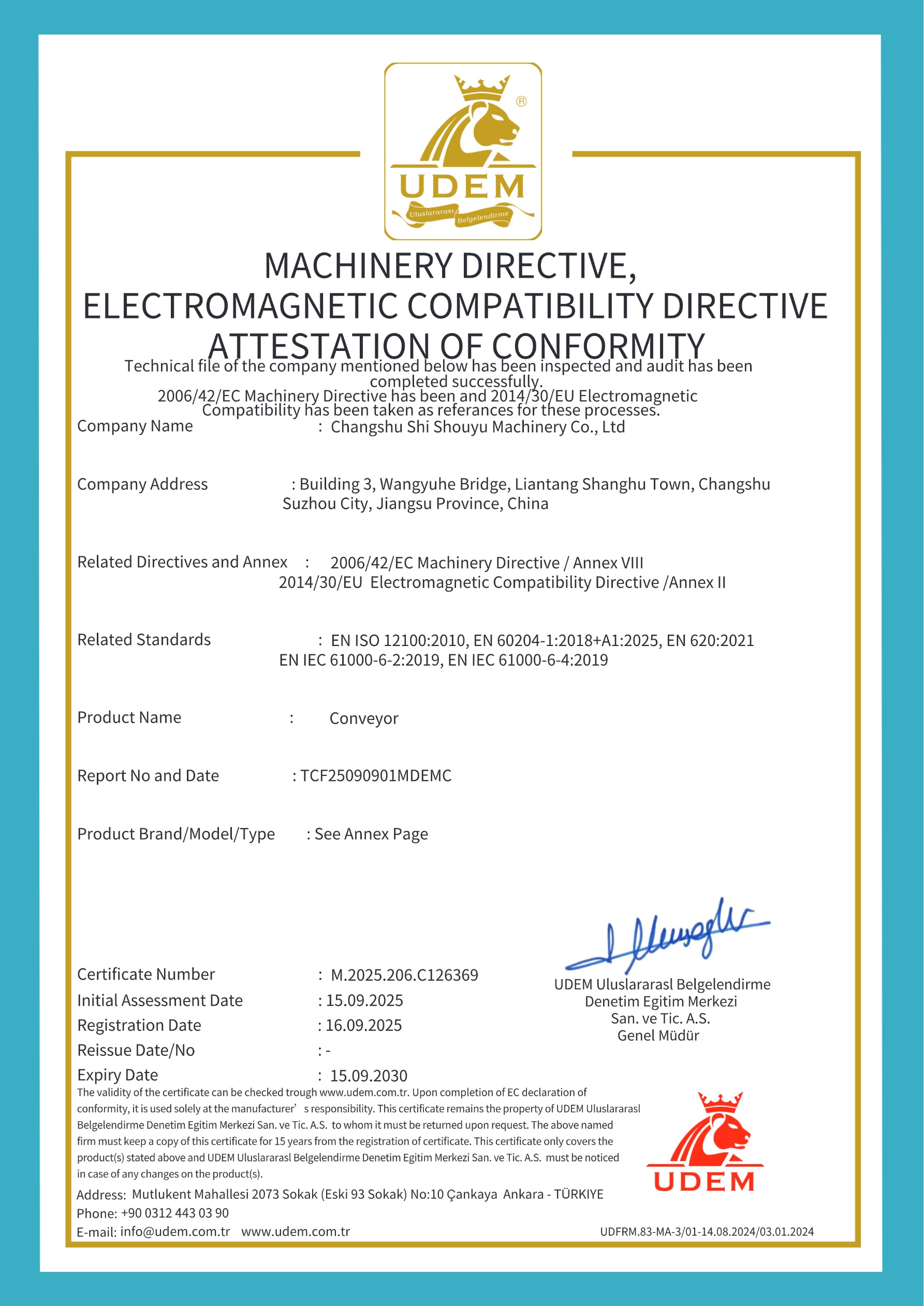
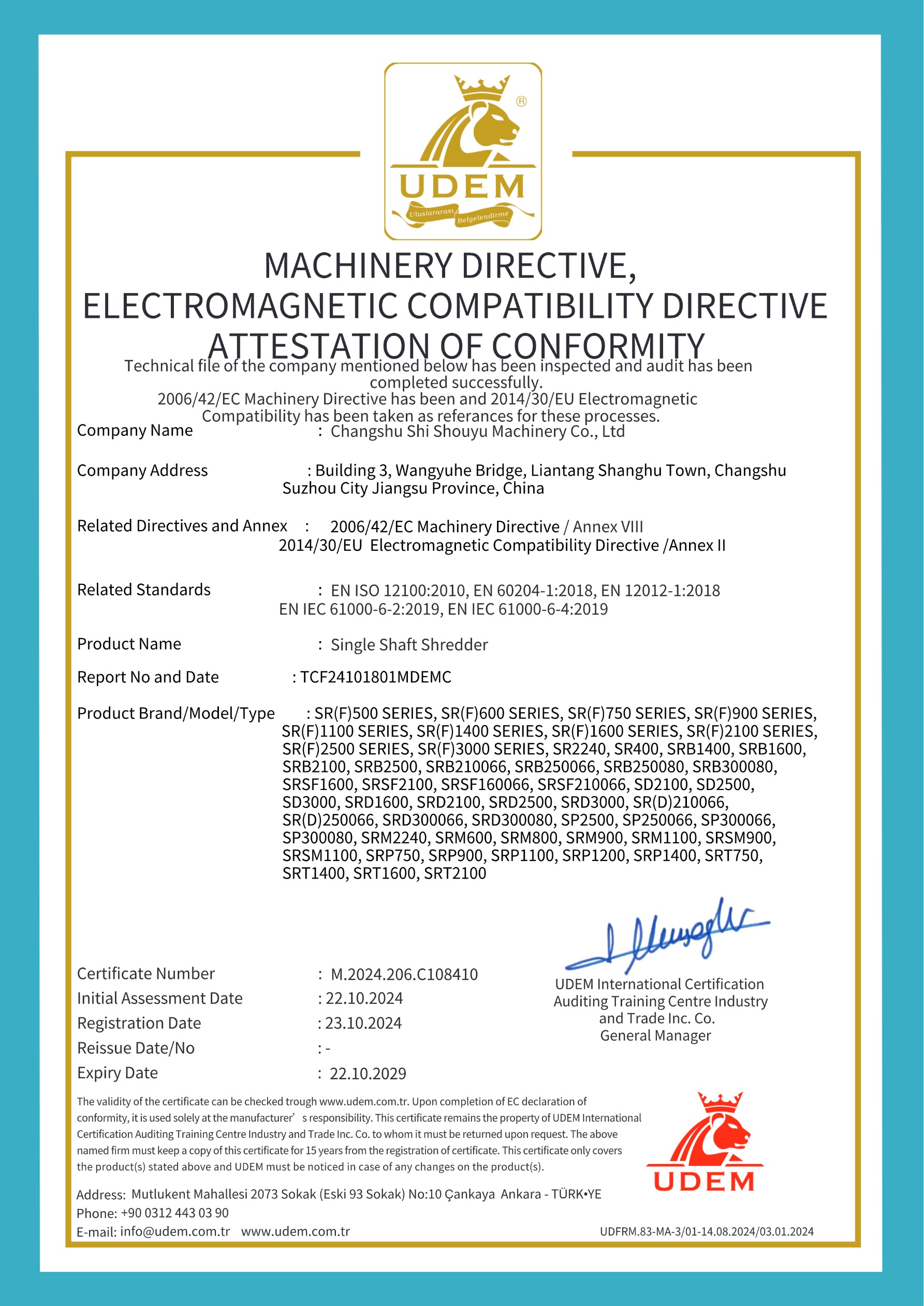
  • ISO 9001 certification covers SOYU's quality management system. It concerns the manufacturing and management processes behind the equipment rather than a measured shredding result for a particular waste stream.
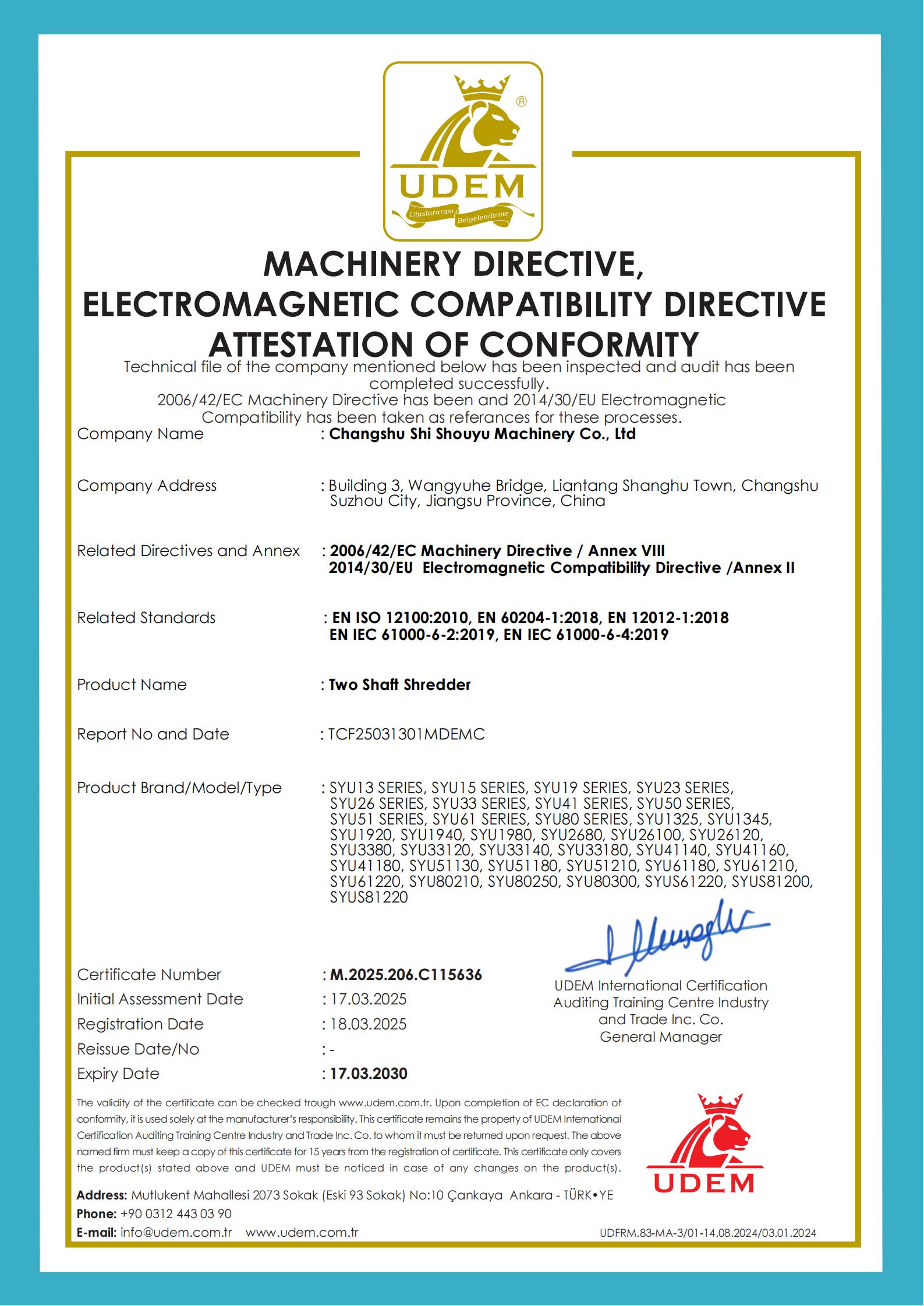
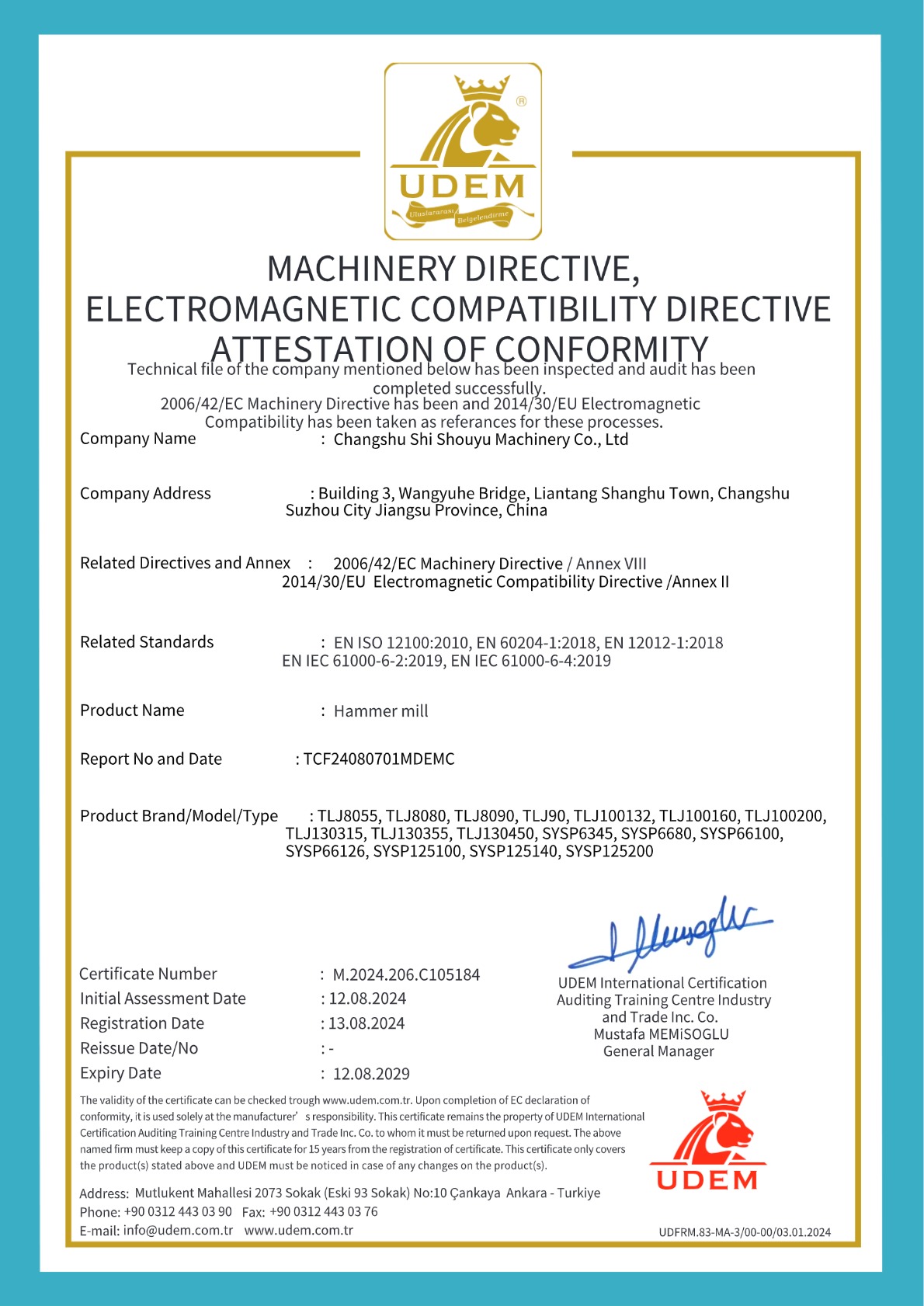
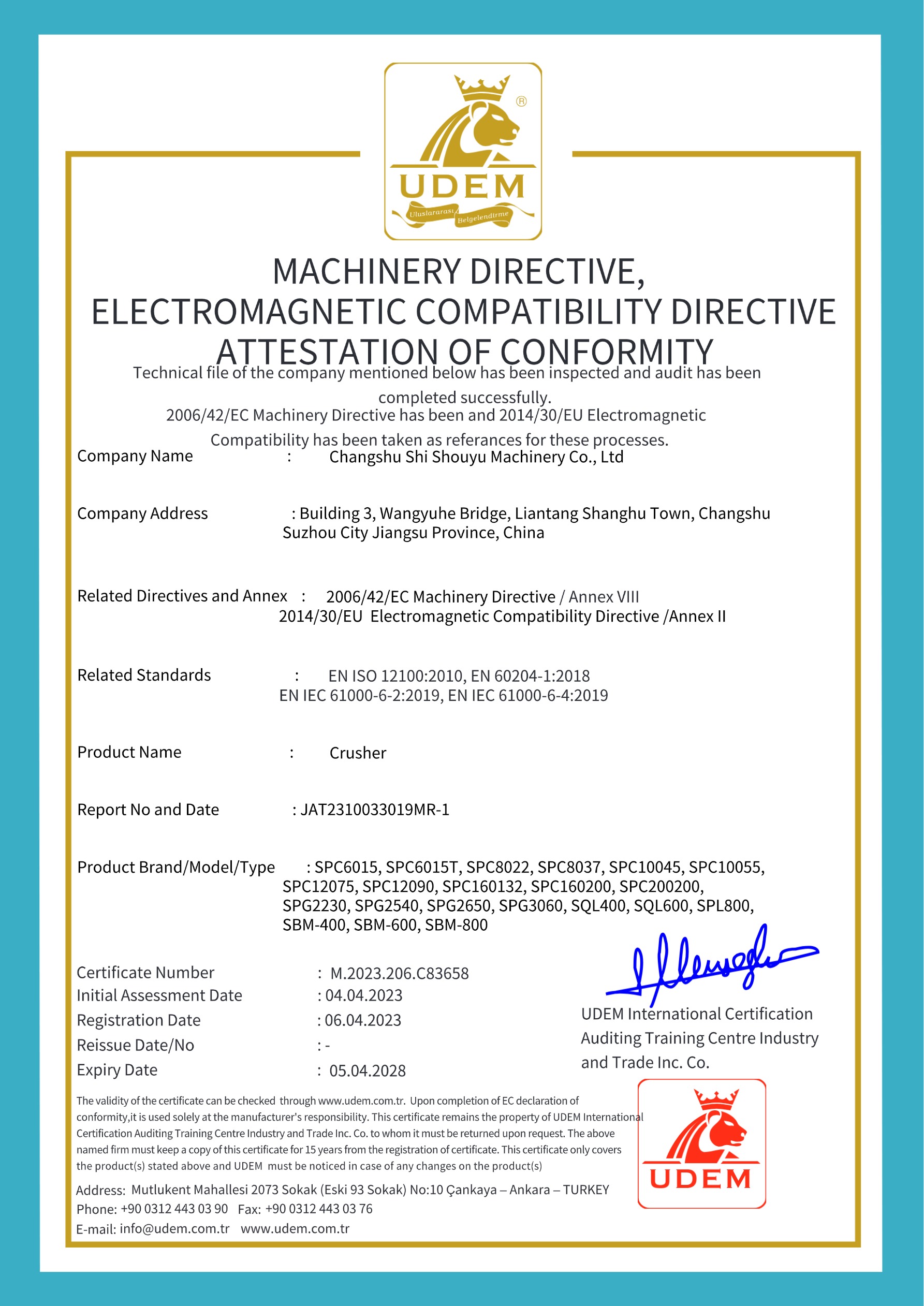
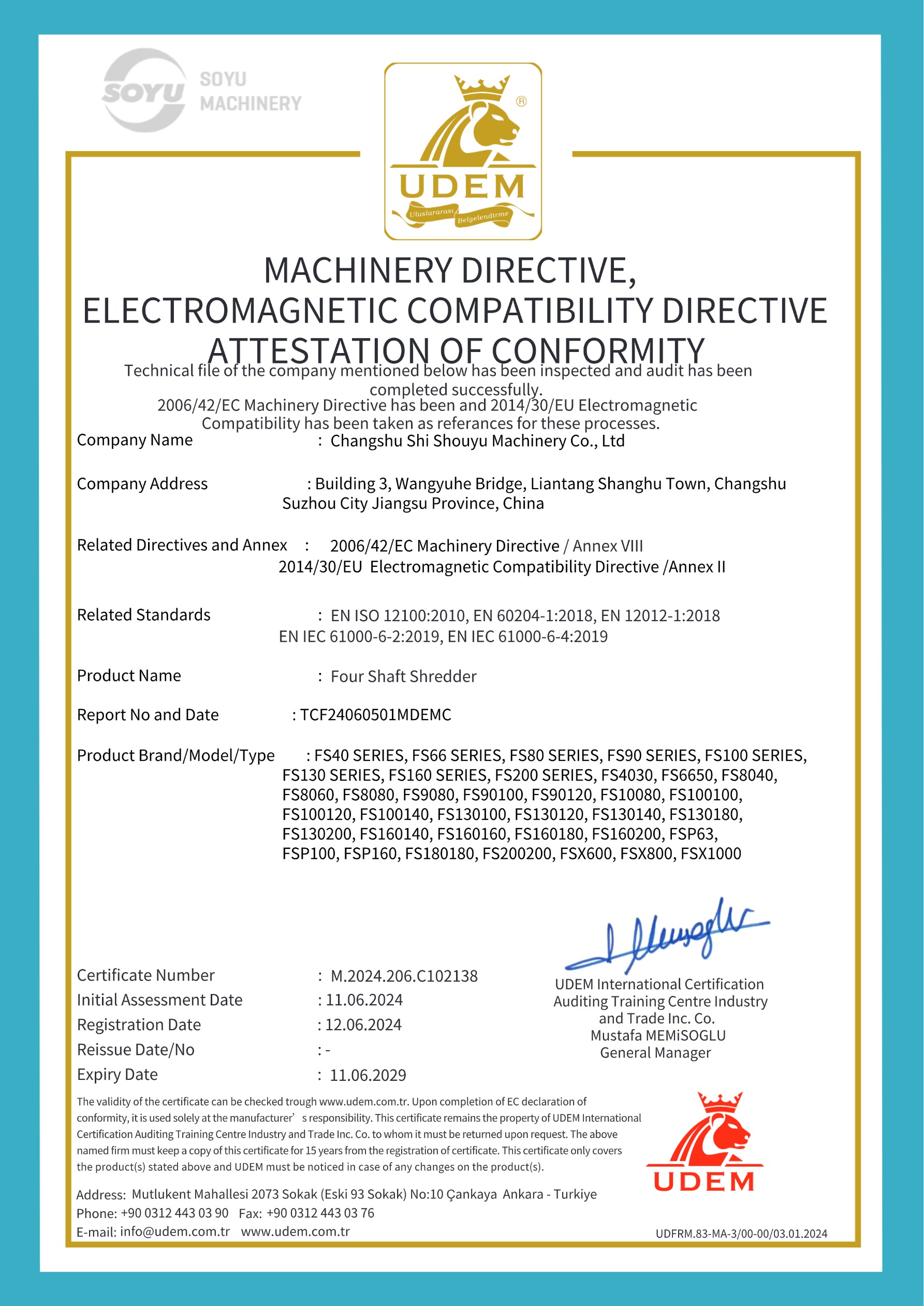
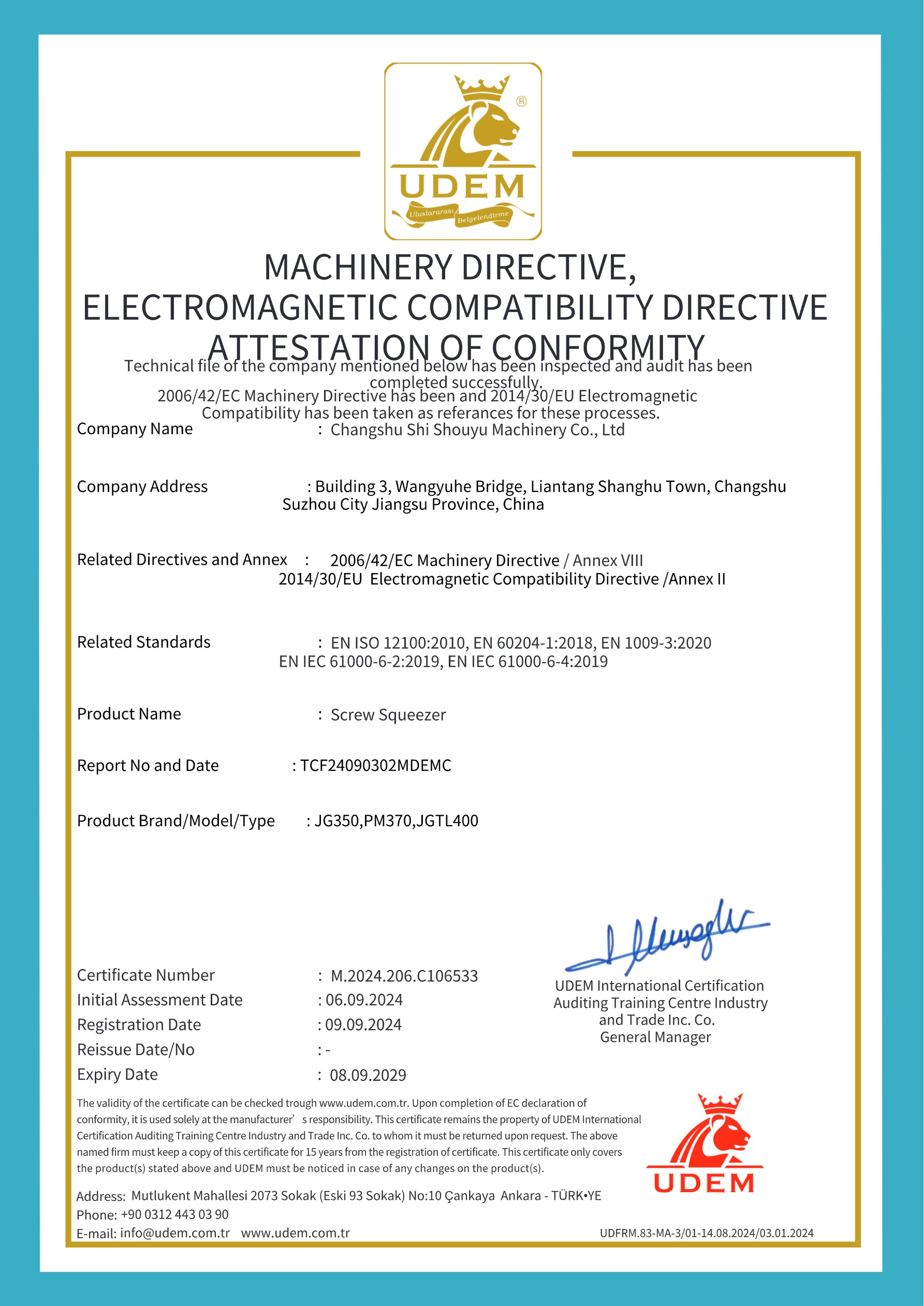
  • CE compliance applies to our shredding and separation equipment.
  • The applicable declaration and supporting documents need to correspond to the machine configuration supplied for the installation.
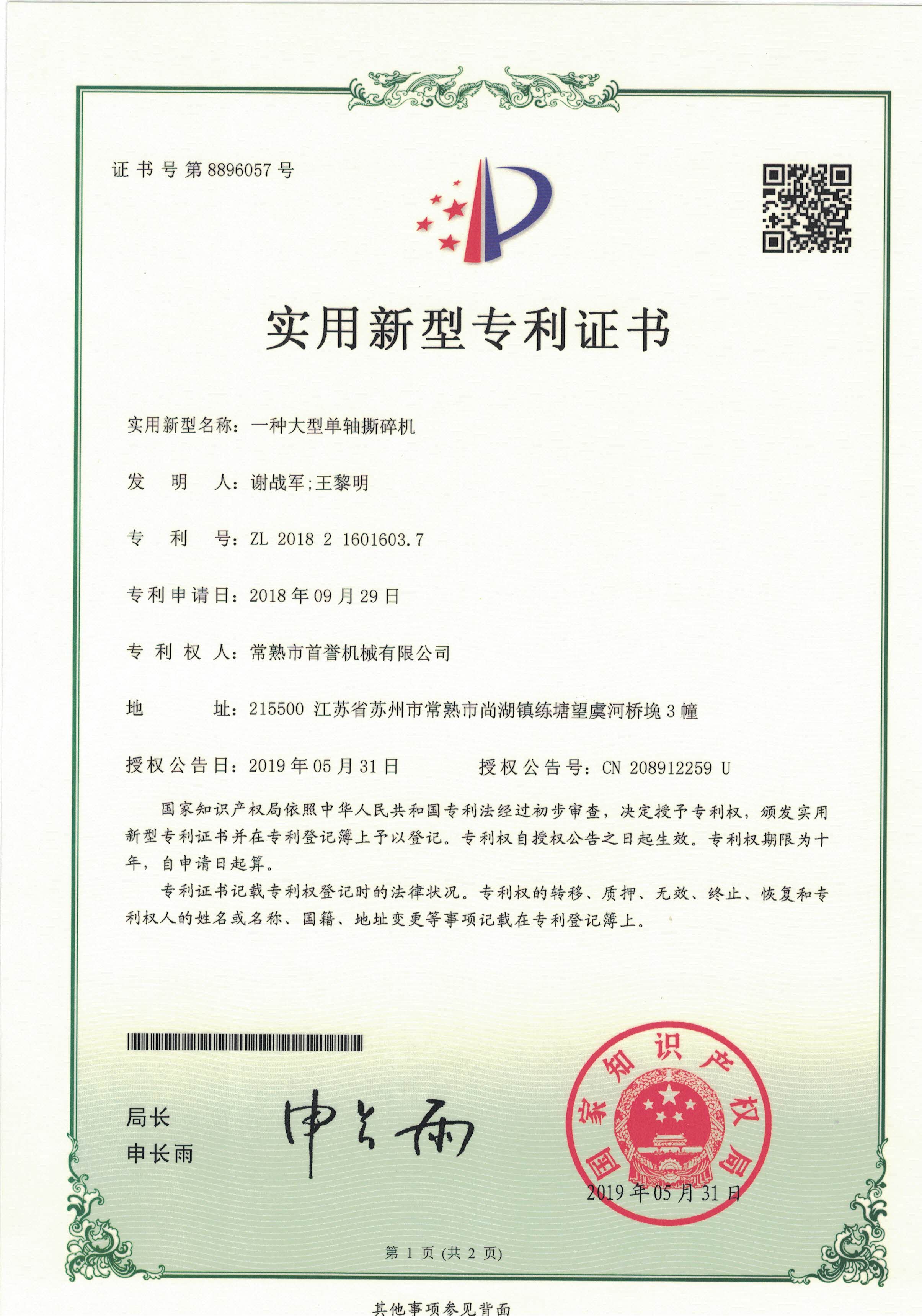
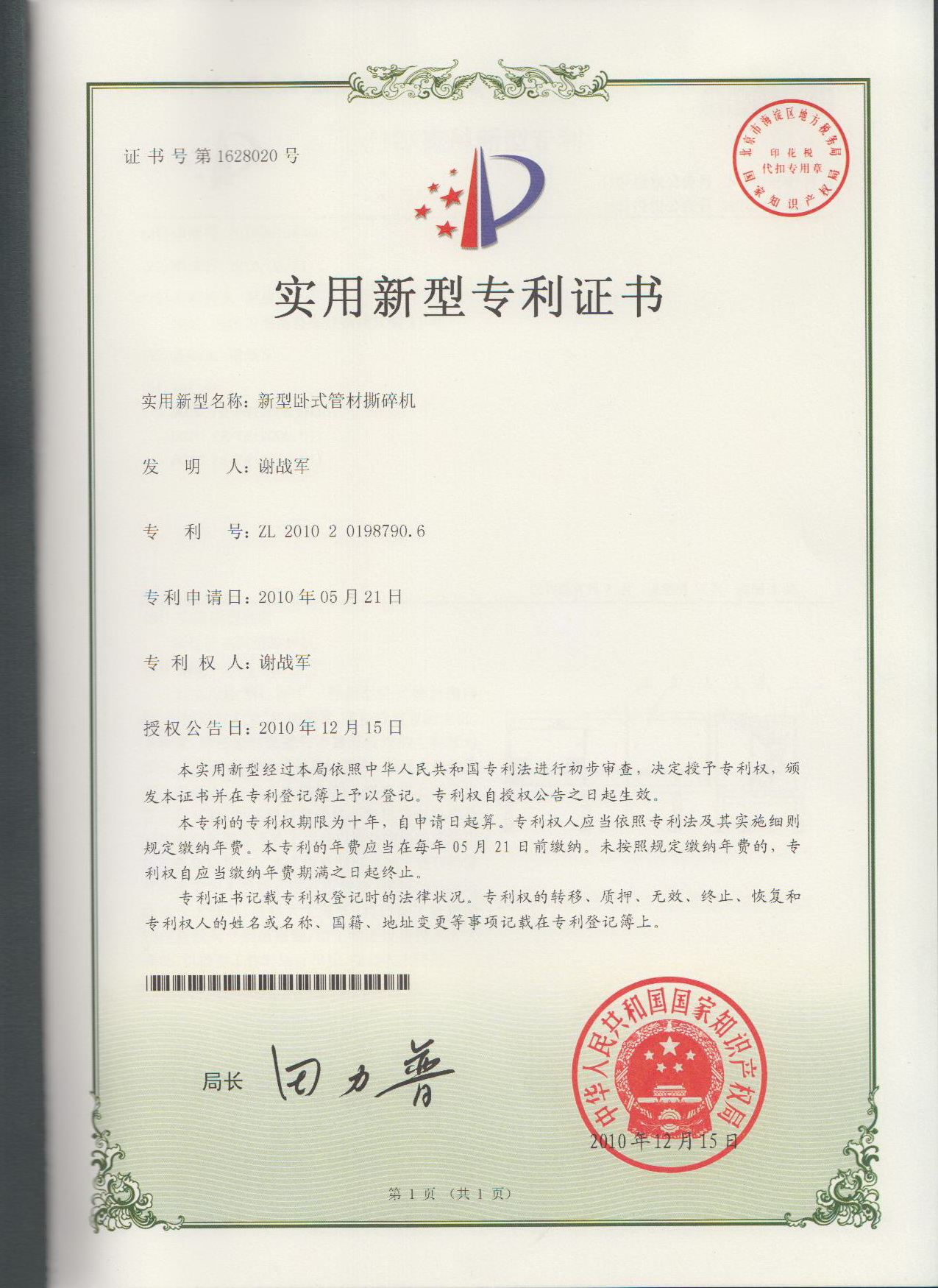
  • More than 80 national patents have been granted for our core technologies.
  • These relate to our wider technical development and do not mean that every patented feature is incorporated into every model.
  • Machine-specific technical documents distinguish the installed assembly from other units in the series.
  • Matching the machine identification, electrical documentation and mechanical drawings helps keep operation and maintenance tied to the correct equipment.

Technical Support & Model Matching

Choose equipment matched to your operating requirements with technical support from SOYU. We review your material characteristics, target throughput, site conditions and environmental requirements to recommend suitable models and configurations. Our support covers installation, commissioning and operator training to help your team prepare for operation. Overseas customers can access remote technical assistance for troubleshooting, while maintenance and original spare parts support continue after delivery. Original spare parts remain available at cost after the warranty period ends.

FAQ

Which light materials can this model process?

PET bottles, aluminum shavings, cartons, air-conditioner casings, small plastic containers, computer hard drives and other compact components are among its intended materials. For a pet bottle shredder application, this gives the machine a clear use in light packaging waste while keeping suitability tied to the actual incoming mix.
Can the screen mesh be customized for a particular output?

Customizable screen mesh sizes and different screen structures are available to suit the shredding task. Hole geometry and opening size need to match the material and the requirements of the following process; a screen opening alone does not establish the exact dimensions of every discharged piece.

What installation guidance and routine maintenance does the machine need?

Detailed installation guidance is available, and routine maintenance includes inspecting the screen meshes and HARDOX sidewall liners. A side-pull screen can be provided to simplify screen access and removal. Maintenance work requires the machine to be isolated and secured against restarting before the cutting area is accessed.

How is the machine protected when a heavy load or foreign object enters?

Mechanical torque limitation and electrical overload protection work with automatic overload detection. Automatic reversal responds to foreign objects to help prevent equipment damage. These protective functions support operation but do not replace guarding, safe feeding practices or isolation before clearing an obstruction.

Professional Certification

Professional Certification

Our shredding and separation equipment holds ISO 9001 certification and complies with CE standards, with over 80 national patents granted for our core technologies.
We use Cookie to improve your online experience. By continuing browsing this website, we assume you agree our use of Cookie.